



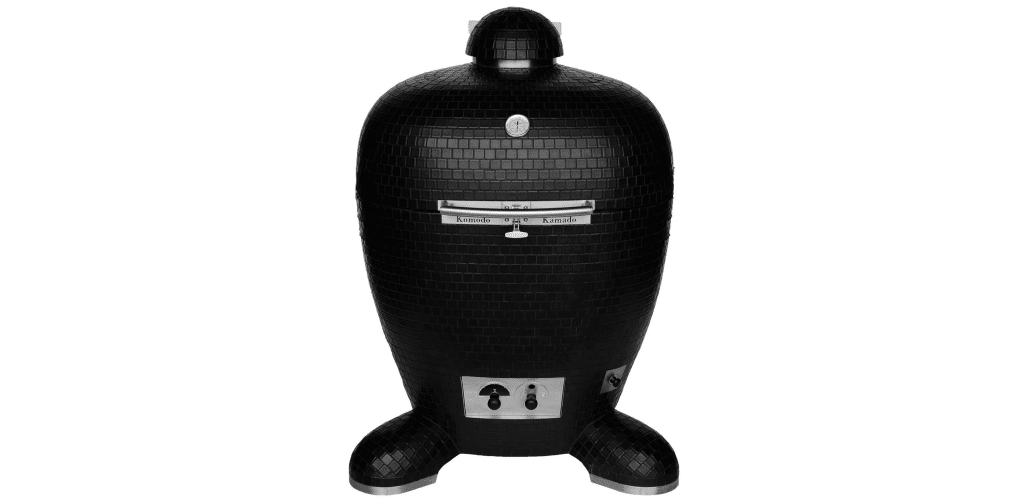
Click Here To Search Our Database Of Ceramic Kamado-Style Cooker Reviews And Ratings
The kamado or ceramic grill/smoker/oven is a fast growing category with more and more choices every year. With good reason.
These charcoal fueled devices are modern versions of the Japanese kamado, an earthernware cooking urn whose original design is probably at least 3,000 years old. Indian tandoors are similar in concept.
Most look a bit like an ancient burial urn or a giant egg. Some are made of ceramics, terra cotta, cement, lava rock, and other refractory materials, the kind of stuff used to make kilns and crucibles, all extremely good insulators. If you don’t drop them, they last a long time. As champion pitmaster Chris Lilly says of the Komodo Kamado (picture above) says “Ask your children what color they want, because they will inherit it.” Many offer a stand or table in which you can insert the device.
Some models are made of insulated steel which are lighter and less fragile.
Strengths
These are excellent smokers and superb roasters. They are fine pizza and bread ovens because the sides and domes absorb heat and radiate it back like a professional brick oven so the pizza and bread can cook properly from above. They are also great for paella and tandoori cooking.
Easy to start in all wind and weather conditions, the insulation means that they need very little charcoal or oxygen, even in far northern winters. The thick sides retain and radiate heat very efficiently. That means less charcoal and oxygen are needed so there is not a lot of airflow out of the chimney. When meat heats up a lot of liquid evaporates from its surfaces, and the more airflow the more the meat dries out. Since ceramics have low airflow, meat remains juicier. Other smokers have thinner walls and many leak a lot so they require more charcoal and airflow, which means that airflow out the chimney and the leaky doors carries away more moisture than the ceramics. It is not unusual for a pork shoulder to lose 30% of its weight in an offset smoker. Water loss on a ceramic is often under 20%.
Ceramics are so well insulated and the interior absorbs and radiates heat so evenly that they are very good at holding steady temps. The meat is usually higher up above the coals than normal charcoal grills, so there are no flareups, and temperature control is easy once you get the hang of it with intake dampers down low and outflow dampers on the top (wear gloves). The design of these dampers is an important differentiator between models. Some work better than others. But get a kamado started, bring it to temp, and there’s little need to touch it until the meat is ready.
When you are done cooking, close the dampers, and it is easy to starve the coals and you have leftover coals for the next cook. The interior is more or less self cleaning so it does not need to be scrubbed. In fact, wire brushes can damage the surface. The only cleanup is to brush the ash out the bottom, and scrape the cooking grates.
Some of them come from the factory with a deflector plate that sits between the coals and the food for indirect cooking. Some sell it as an option. You need it. A lot of the cooking you will do with it, especially smoking, needs this plate. Here is a video by our friend Malcom Reed of HowToBBQRight.com that shows how the most popular design, the Big Green Egg works.
Problems of round kamados and advantages of the oval shaped kamados
Cooking is all about temperature control, and most kamados aren’t very good at it. I am a very strong believer in the 2-zone system for grilling. The concept is to place the coals on one side of the grill and leave the other side without coals. On a gas grill you turn on the burners on one side but not on the other. With 2-zones you can move food from very hot direct radiant infrared heat to mild indirect convection heat quickly and easily. This is rapid temperature control and temperature control is the secret to all cooking. Please click this link to see why 2-zones are so important.
There is another issue with ceramic cookers. They are superb at retaining heat in their thick walls, unsurpassed in cold weather, but this make them painfully slow to cool down. On a simple metal grill like a Weber Kettle, just choke off the oxygen and/or lift the lid and let in cold air, and it cools rapidly.
The secret to effective 2-zone cooking is that you can have one side where there is direct radiant heat from coals near the surface for radiant heat searing, and the other side can be much lower in temp and cook with only convection air to gently warm foods. So you have two distinct cooking methods and two distinct cooking zones. This provides the cook with important control options.
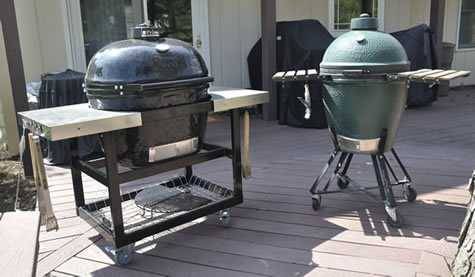
Because of its oval shape, the Primo (left in the picture) can be easily set up for 2-zone cooking and the large diameter Komodo Kamado (at the top of the page) has an optional insert plate that covers the coals on one side creating a 2-zone system. A few other kamados have created special dividers to facilitate 2-zone cooking but they really don’t do a great job of creating two zones with 100 to 200°F difference in temp or more. That’s partially because the kamado is round and the cooking surface is narrow and partially due to the kamado’s chief asset, the thick insulating walls.
On a ceramic unit the walls absorb so much heat it is pretty even all over. A great advantage when it comes to smoking, baking, pizza making, and roasting. This is a great disadvantage when it comes to 2-zone grilling. Here is a Primo set up for 2 zone cooking with different temps on the left and right, and with the optional upper grate.
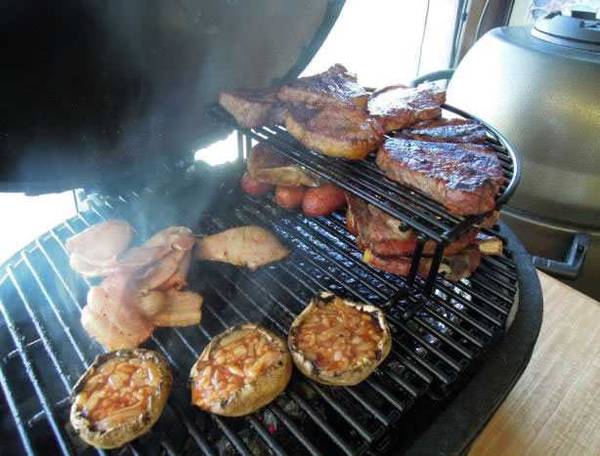
Yes, you can use the deflector plate to cook indirect on a round kamado, but then you have to put on your gloves and remove it to switch to direct or visa versa. When the unit is hot, this maneuver can be tricky and it is not as quick and easy as sliding a steak or a piece of chicken or even a burger from side to side as you can on a conventional grill. Another option is to use only one half of a split deflector like this one from Kamado Joe (it can also be used as a pizza stone).


Alas, most of the kamados function better as smokers and ovens than as grills. On a $99 Weber Kettle, for example, you can push coals to one side and cook hot with direct infrared heat on one side, and in an instant, move the food to a much cooler side where it cooks with convection heat and is unlikely to burn. You can cook some wonderful things on round kamados, but your flexibility and capability is limited.
Now a memo to Eggheads (the affectionate nickname for the devoted loving fanatical owners of Big Green Eggs, one of the first modern kamados and by far the most popular): Please do not take this criticism as a swipe at your good taste. Look at the top of this page to see how much I love kamados. I know you really love your Egg, and I love mine too (I have an XL). But I’m here to tell you, if you had a grill that could really do two zones, you would see why it is so important. So please try to read my criticism with some objectivity before you call me names. Keep in mind Max and I have cooked on scores of devices and we tested the Egg and the Primo side by side.
Here is a video from Primo showing how they use a 2-zone setup to do reverse searing on a steak, a method that delivers the best even interior color. Read more on the method here. And no, this is not a paid ad.
Other caveats
Another thing to keep in mind before you buy: Because they are expensive many manufacturers sell bare bones kamados. A lot of the necessary tools, like the absolutely necessary deflector plate for indirect cooking and smoking, cost extra on some models. So when shopping, make sure you are clear on exactly what is included and what is not.
Do not use lighter fluid to start your charcoal in ceramics. It can get into the porous interior and damage it. But you would never use a petrochemical to light your grill would you? You always use a chimney or electric starter, right? Click here to read about how to best start a charcoal fire. Dennis Linkletter of Komodo Kamado showed me a trick: Fill the charcoal basket, and bury one Weber paraffin firestarter cube in the pile of charcoal and light it. It will ignite about five briquets immediately around it. They will burn slowly producing very little heat, and the combustion will spread to unlit coals slowly. Here is Malcom Reed showing how to set up and fire up a Big Green Egg:
Keeping the temp down on these babies can also be tricky. Kamados can soak up a lot of heat, and once they are hot they are very slow to cool because they hold so much heat, so if you overshoot your target temp, it takes a while to get back to where you want it. Sterling Ball of BigPoppaSmokers.com says “It’s like stopping a semi. You’ve got to brake early.”
If you need to add coals while it is cooking, on some models you need to remove the food, the cooking grates, and the deflector plate, a bit of a pain, but you may not need to add coals for most cooks.
Some kamado manufacturers recommend you use more expensive lump charcoal not briquets. They argue that briquets produce more ash than lump and the ash can block airflow as it builds up over long cooks. On the other hand, there can be a lot of dust in the bags of lump that can also hamper airflow. Some briquets, like Kingsford Competition Charcoal, produce less ash than others. It may be a coincidence, but some kamado manufacturers also sell private label lump charcoal so they just might have a conflict of interest. If you are buying a kamado, look at the space for ash. If ash buildup will block air intake, consider another model. Here is Malcom again showing how to clean an Egg:
One other issue. Because they are so efficient, you don’t need a lot of coals, and in order to keep the heat down, you often have to restrict airflow. That allows the coals to smolder and belch white smoke. It is pretty well established that the best smoke is blue and that comes from small hot fires, hard to achieve on kamados. Perhaps that is why they are rarely among the money winners in competition.
Some manufacturers claim their cookers are huggable when hot. Don’t believe it. Maybe at low temps, but crank ’em up and you don’t want to put your hand on the surface. Yes they are cooler than steel grills, but most certainly not huggable.
Because they are fragile you probably don’t want to take the ceramic models to tailgate parties. Besides, they are pretty darn heavy so they are not very portable. On the other hand, the steel Broil King Keg has an optional trailer hitch.
Some have vents in the top that will let in rain, so owners fashion little covers or umbrellas for them.
Did I mention that the ceramic models can be very expensive?
Warning!!!
This design is susceptible to a very dangerous phenomenon: Flashover. Kamados are nearly airtight except at the intake and exhaust, and the coals can get starved for oxygen at low temps or during shutdown. Open the lid, oxygen rushes in, and poof, a serious fireball. No more eyebrows. Or worse. Click here to see flashover.
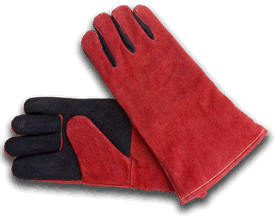
You should always wear fire resistant gloves, the longer the better, when opening a kamado. To prevent flashover fireballs, slowly open the top damper a bit and wait a minute. Open the lid slowly and stand to the side rather than the front. Called “burping” a kamado, Linkletter says “It is safest for a new user to always assume that flashover conditions are present and to use the utmost care whenever opening their cooker.”
Bottom line
I consider kamados to be darn good smokers and ovens, especially if you live in a cold climate and want to cook all winter. Open the bottom and top dampers all the way and they can get blazing hot for searing steaks. But if you really want to take your grilling skills to the highest level, then you need to master 2-zone cooking and get a a charcoal grill in addition to the kamado, or at the least, buy a kamado that can do 2 zone cooking as well as a charcoal grill..

Before you can post a comment or question you must sign into our commenting partner, Disqus. This helps make sure everyone hanging around the grill is civil. We do not tolerate nastiness, racism, porn, inappropriate language, or attacks on others. All comments are the property of AmazingRibs.com and we reserve the right to quote them, edit them, delete them, and block people from making future comments.
Please leave comments and questions on the same page that is devoted to that subject so others can see questions and our answers when they are reading about the subject. You must enable JavaScript to use the comments section, and you must accept cookies to post comments. Note: the software that runs Disqus is different from the Pitmaster Club, so members need to sign into the Pitmaster Club separately.