My Ingredients
"There is no love sincerer than the love of food." Tanner, in Man and Superman by George Bernard Shaw
Here is a partial list of some of the ingredients I use in my recipes and what you need to know about them. Sometimes I recommend specific brands. I chose them because of flavor, availability, and price. To duplicate my recipes, you must use them too. But that doesn't mean that other brands won’t work as well or better.
Recipe conventions. With common ingredients I don't specify the type or size. If a recipe calls for sugar, I am referring to white table sugar. Salt is table salt unless otherwise specified. Flour is all-purpose flour, milk is whole milk, eggs are large, and butter is unsalted.
Shopping tip
When a product is available on Amazon.com, I often provide a direct link. Amazon.com often has the best prices anywhere, even better than many manufacturers' websites. That's because manufacturers know that if they undercut retailers, these important resellers may drop their products. Please let me know if you find broken links, discrepancies in model numbers, specs, or prices.
Full disclosure: Amazon.com pays me a small commission, so purchasing from them helps underwrite the cost of operating AmazingRibs.com. But low prices, fast delivery, and good refund policies are the real reasons to buy from Amazon.com.
BBQ sauces
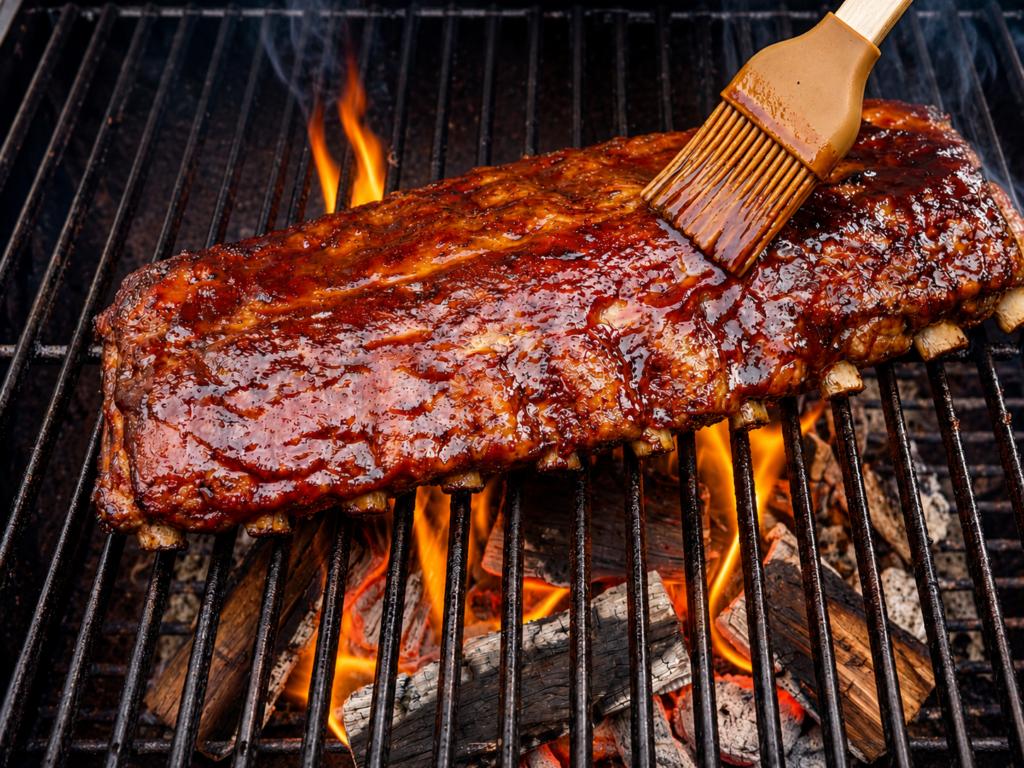
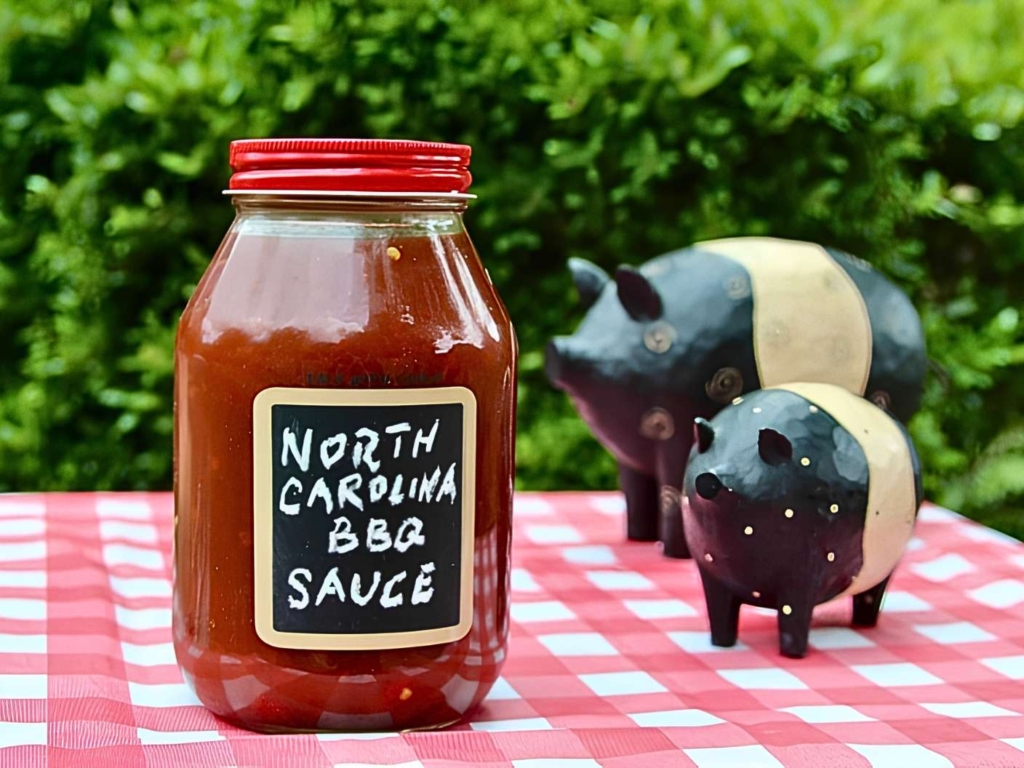
There are a dozen basic American BBQ sauce types. Here's a description of how they are made. Here is a list of my favorite commercial BBQ sauces you can buy.
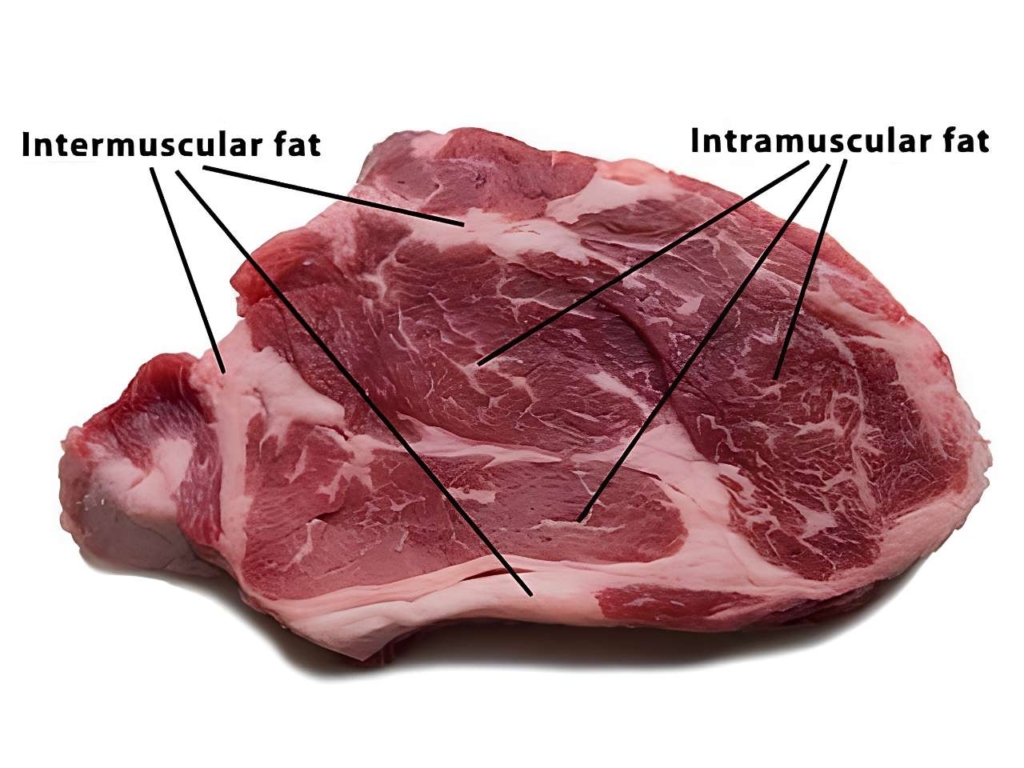
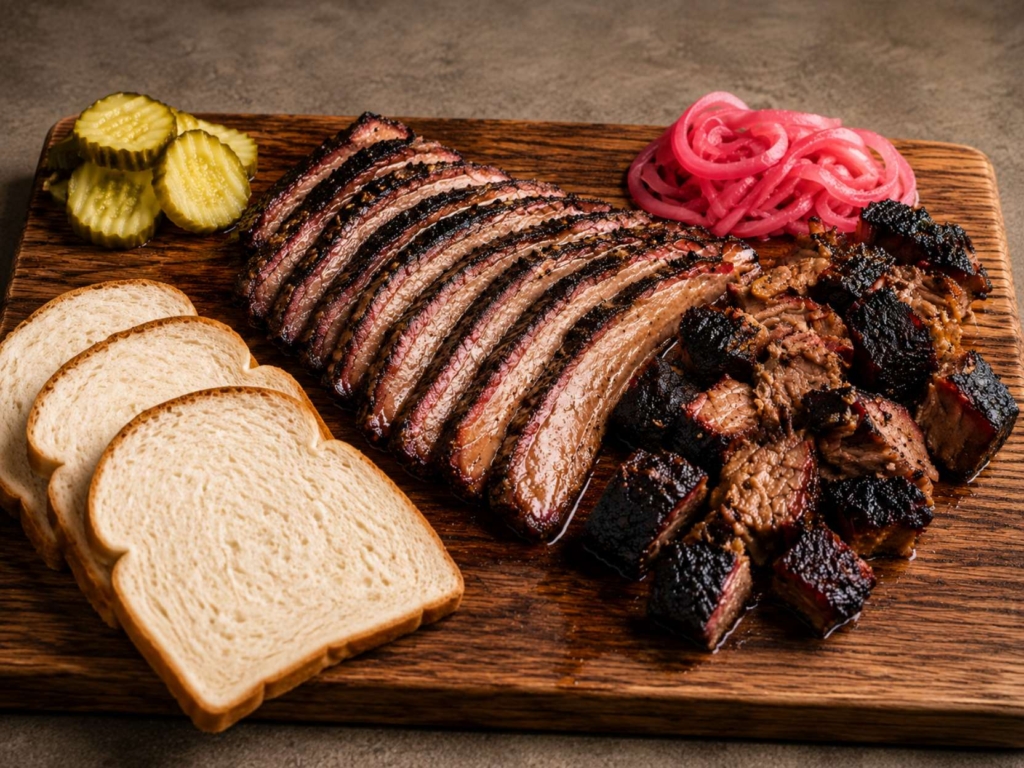
Beef
Beans
Not all beans are created equal, and if the recipe calls for dried beans and you only have cans, what do you do? Click here for the Zen of beans.
Brown sugar
Brown sugar is not, as many people think, a raw form or unrefined sugar. It is, in fact, just plain old white granulated sucrose sugar grains with molasses added. Dark brown sugar has about 6.5% molasses added, and light brown sugar has about 3.5% molasses. The molasses gives it a deeper, richer, nuttier flavor than plain sugar.
Rule of thumb:
Dark brown sugar
= 1 cup white granulated sugar + 2 tablespoons molasses
= 1 cup of light brown sugar + 1 tablespoon molasses
Chile peppers, chili powders, and hot sauces
There are scores of different peppers and pepper sauces on the market and they have a wide range of flavors and heat levels. Click here for everything you need to know about chile peppers, chili powders, and hot sauces, and some tips on using them.
Chocolate
Not all chocolate is the same. Not by a long shot. As in wine, the source of the fruit and how it is handled makes a massive difference in taste and price. Chemically it is amazing stuff, and working with it can be tricky. It's important to know how it is made. Here is a whole article on The Zen of Chocolate with everything you need to know.
Cooking oils
I use inexpensive olive oil for most cooking, for everything from frying to keeping things from sticking to grill grates. It usually does not have much of a taste. For really high temp frying I switch to peanut oil. For salads, dipping, or drizzling, I pop for a high quality extra virgin olive oil (EVOO).
Five Spice Powder
One of the specialty spices in many Asian dishes is Chinese five spice powder. It is a blend of cinnamon, cloves, star anise, fennel, and Szechwan peppercorns. Here's how to make your own and some good places to buy it.
Garlic
Fresh garlic (Allium sativum) is the most aromatic member of the onion family and it adds a lot of flavor to many dishes. When raw it can be powerfully pungent, but when cooked it can be savory, mellow, nutty, and even sweet. Read what every cook needs to know about garlic in my article, The Zen of Garlic.
Herbs & spices
Meats and veggies often taste great unadorned. But chefs make their living by amping foods up with herbs and spices. Read The Zen of Herbs & Spices to learn what you need to know about these important flavor enhancers and a list of what well armed cooks will have in their tool kits.
Hoisin sauce
Called Chinese barbecue sauce or Chinese ketchup, hoisin sauce bears no resemblance to either, other than Chinese cooks use it a lot. If you don't think you've tasted it, chances are you have. It is the sweet glossy brown glop that you swab on the thin pancakes when you eat Peking Duck or Mu Shu pork. I use it in my recipes Hoisinful Nine Dragon Ribs and Chinatown Char Siu Ribs. This most excellent condiment is made from soybeans, vinegar, rice, salt, flour, garlic, and chili peppers. Lee Kum Kee brand is probably the most popular and the brand I use. If you have trouble finding it in your grocery store, try AsianFoodGrocer.com
Ketchup or catsup
Most barbecue sauces contain ketchup, and really, when you think about it, most tomato based barbecue sauces are just a form of pumped up ketchup. Click here to read more about ketchup and my faves.
Lemon juice
As a rule of thumb, a medium lemon will give you 2-3 tablespoons of juice or 1 to 1 1/2 ounces. Fresh lemon juice is better than bottled, but bottled will do if you don't have fresh. You can freeze fresh lemon juice in ice cube trays, and then put them in zipper bags for storage. And it's still better than the bottled stuff.
Lebanon Bologna
This is a marvelous slow smoked, sweet bologna from Pennsylvania Dutch Country. I love this stuff. Order some.
Other fun foods I love
 Gourmet Popcorn. Garret Popcorn in Chicago is known throughout the nation and there is often a line in front of its stores. But you don't have to come to the Windy City. They sell over the web. Get the CaramelCrisp & CheeseCorn combo bucket, and eat them together in one handful. The French call it sucre et sale, sweet and salty. A classic combo.
Weaver's Lebanon Bologna. Made in the Lebanon Valley in Pennsylvania Dutch Country, Lebanon Bologna is fermented and cold smoked. Weaver's has been using outdoor smokehouses since 1885, and this 100% beef, 90% lean slightly sweet, slightly salty, slightly smoky, dark bologna is more like a salami. It is wonderful fresh, but can be aged in the fridge where it will dry slightly. It's amazing stuff.
|
Mayonnaise
Mayo is an emulsion of egg yolks and vegetable oil. It is easy to make at home, but rarely worth the effort if you buy a quality bottled mayo. I use Hellman's. I recently heard of a blind tasting among good cooks where it was preferred by many to home made. So there. Resist the low fat version. Mayo can be flavored with herbs and spices. Among my favorite add-ins are sesame oil and chipotle in adobo.
Molasses and other syrups
In addition to molasses there are other cane syrups and maple syrup. Click here to learn what you need to know about syrups.
Mustards
There's yellow ballpark mustard, brown Dijon mustard, powdered mustard, and more. Click here to learn what a cook needs to know about mustard.
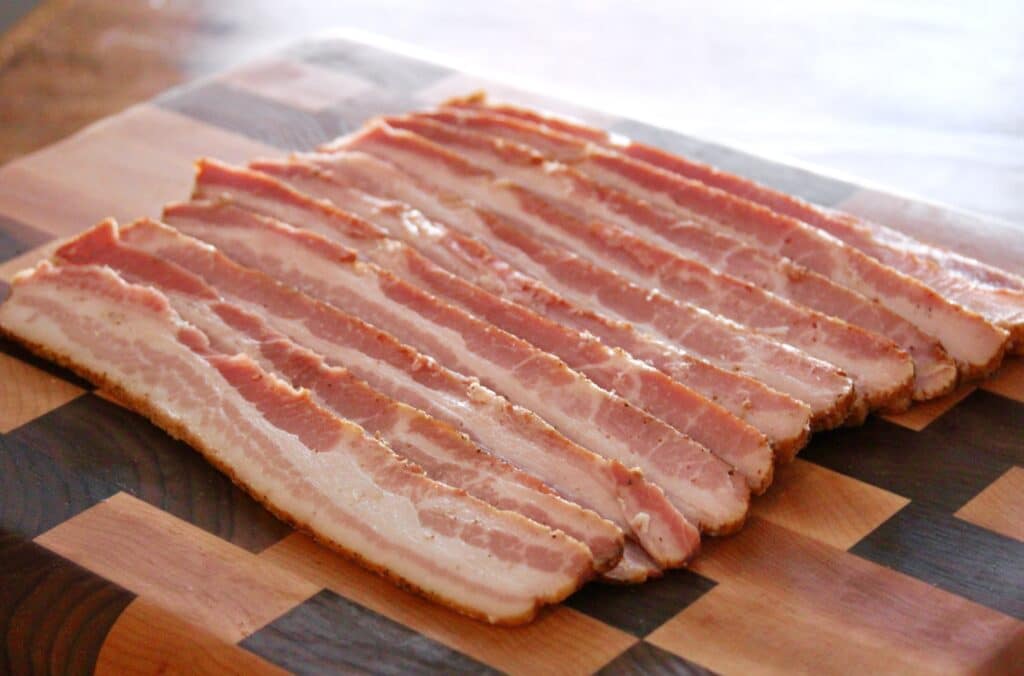
Pork
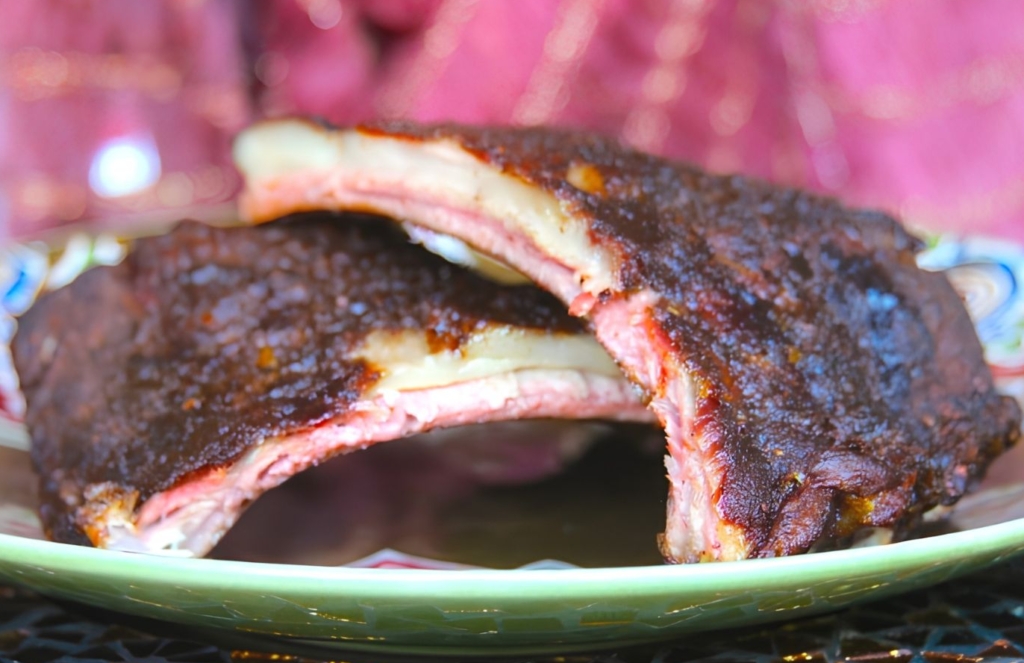
Just what are baby backs? Spare ribs? Rib tips? Riblets? St. Louis cut ribs? Rib chops? Rib roasts? Country ribs? And for heaven's sake, what the heck is a McRib? Read The Zen of different of rib cuts.
Parmigiano-Reggiano (parmesan) cheese
Parmigiano-Reggiano, called "The King of Cheeses" in Italy is a magical cheese. Dotted with crunchy crystals and permeated with the mysterious flavor enhancer, umami, it barely resembles the popular imitator labeled parmesan. Learn all about this wonderful cheese in the Zen of parmesan.
Potatoes
They most definately are not the same! Some are better for mashing, some for baking, and some for frying. Click here for The Zen of Potatoes.
Rice
Rice is the primary food for more than half the people in the world. It is versatile enough to be an integral part of an entree or a dessert. My article, The Zen of Rice, describes white rice, brown rice, wild rice, and arborio rice and how to cook them.According to the USA Rice Federation
Salt
Salt is an important flavor enhancer that actually expands taste buds, and even a small amount can really wake up a dish either in cooking or at table. But there are many kinds of salt, and you cannot exchange them freely. Here's an orticle on The Zen of Salt that describes the difference between, table salt, kosher salt, sea salt, pickling salt, and more.
Sesame oil
Sesame seeds are loaded with oil, and there are two types of sesame oil on the market. I use only one of them, the dark brown oil made from toasted sesame seeds by Kadoya of Japan. There is a clear, cold pressed sesame oil on the market, but it is almost flavorless. Toasted sesame oil, the brown stuff, is the most common, thankfully, and possesses an exotic nutty perfume that we immediately associate with Asian food. Use it sparingly because it is very strong. If you have trouble finding it in your grocery store, try AsianFoodGrocer.com
Soy sauce
When a recipe calls for soy sauce, resist the temptation to use the stuff in the packets you have left over from Chinese carryout. It may not be real soy sauce.
Real soy sauce is made by fermenting soy beans and other grains. It is high in glutamates, amino acids that amp up the flavor of food with which it is used.
Kikkoman brand soy sauce, now made in the US, is ubiquitous in Chinese restaurants in the US, and it works just fine. But if you can find a Chinese grocery, you can buy imported soy sauce by the quart or gallon. Cheap.
There are subtle differences in flavors between brands, but the major difference to be aware of is between light and dark soy sauce. Without getting too complicated, it will suffice to say that dark soy sauce is more concentrated, richer, and more intense. Like dark coffee vs. light coffee. I buy dark soy sayca, and if the recipe calls for light, I dilute it slightly. Most commercial brands are closer to dark soy sauce than light.
If you have trouble finding good soy sauce in your grocery store, try AsianFoodGrocer.com
Vinegars
I'm a vinegar fan. I have waaaay too many.
Balsamic vinegar. A decade ago only professional chefs had heard about balsamic vinegar. Today the most mundane supermarkets stock several brands as well as a growing selection of balsamic vinegar salad dressings. You can buy it in bulk from some olive oil specialty stores, and every Italian restaurant worth it's spaghetti offers an item or three made with balsamic. Chefs and foodies consider balsamic as essential as extra virgin olive oil. I keep cheap balsamic on hand for marinades and sauces, and the expensive stuff for drizzling like a syrup. Prices for a bottle ranges from $5 to $500. How can that be? What is the difference? Click here to read The Zen of Balsamic Vinegar.
Cider vinegar. Essential for many barbecue sauces.
Distilled vinegar. For pickling, some dressings, and sauces. Strong stuff.
Rice vinegar. Not as strong as other vinegars. Delicate and perfect for slaws.
Wine vinegar. I keep red and white wine vinegars on hand for salad dressings.
Raspberry vinegar. Great for a lot of salad dressings.
Worcestershire sauce
In the states we say pronounced WOO-stih-sheer, but in Great Britain, in the town of Worcester, they pronounce it WUH-ster. I like that better. As with steak sauce, Worcestershire sauce is a blend that has many variations in the ingredients list, and the taste. Lea & Perrins is the most popular for good reason. It tastes good. Lea & Perrins is a blend of vinegar, molasses, corn syrup, anchovies, onions, salt, garlic, tamarind, cloves, chili pepper, and more. It can really add depth and meatiness to a sauce. According to the Lea & Perrins website, in 1835, a Lord Sandys was returning home from Bengal, where he had tasted an intriguing sauce. He went to John Lea and William Perrins, owners of a chemist shop, and they tried to replicate the sauce. It was awful. They left it gathering dustin their cellars. A few years later, they stumbled across those jars. They tasted the sauce once again, and to their surprise, the mixture had matured into a most palatable sauce. Soon they were bottling and selling it. The rest, as they say, is history.
Liquid smoke
Many commercial barbecue sauces contain liquid smoke, which is smoke from burning hardwood that has been captured and dissolved in water or alcohol. When added to sauces it contributes another layer of flavor, simulating, but not quite duplicating, the flavor produced by burning hardwood in your cooker. Purists hate it, but if you have no way to cook outdoors, it can really help create an outdoorsy flavor.
...more to come (to be notified when new recipes and other articles come online, be sure to subscribe to my free, spam free, email newsletter).
|