




Meats and veggies often taste great unadorned. A great ribeye steak or a filet of fresh Chilean Sea Bass need nothing more than a little salt and pepper. But chefs make their living by amping foods up with herbs, spices, and sauces with herbs and spices in them. Here are some things to know about these important flavor enhancers and a list of what well armed cooks will have in their tool kits.
What are spices? Spices are flavorings made from seeds, berries, fruits, bark, and roots.
What are herbs? Culinary herbs are flavorings for cooking usually made from green leaves (that’s a sage leaf at the top of the page). Medicinal herbs include things cooks call spices.
Fresh vs. dried herbs. Herbs are wonderful and fresh herbs are more wonderful. The taste of freesh herbs is significantly different than their dried counterparts. Fresh herbs are about 80% water so dried herbs are almost an entirely different animal. Some herbs change more than others when dried. Dried rosemary is a lot like fresh rosemary, but dried dill bears no resemblance to fresh. That’s because most of the flavor in rosemary comes from the oils in the leaves while dill has much less oil.
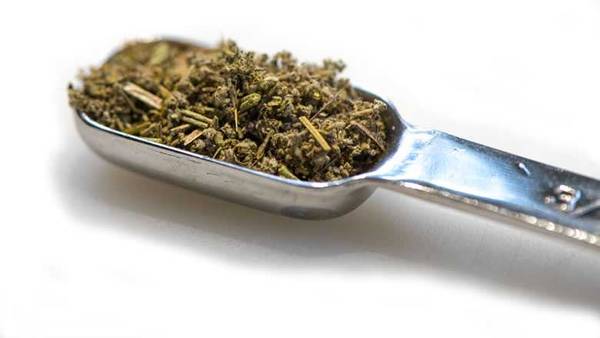
When herbs like oregano and basil are dried, they are usually crushed which also allows fragrance and flavor to flee. Other herbs, like rosemary and bay leaf, are not crushed when dried. Of course you can crush or powder them if you wish. I love powdered bay leaf in some of my rubs. You just can’t find them in the store, so I take them for a spin in my spice grinder.
Fresh herbs can add an element of complex and bright flavor to whatever you are cooking. A pinch of rosemary in grits can make them really pop. Fresh basil and tomato are made for each other like peanut butter and jelly. Fresh herbs are really worth the effort to grow. They take up little space, and many can be grown in pots and on window sills. Windowbox.com is a good source for supplies for growing herbs indoors.
In cooking, fresh herbs are usually added just before serving, cooking for only 30 to 60 seconds, in order to preserve their freshness.
This is important. Herbs and spices that are grown outdoors are susceptible to bird droppings, mice, rabbits, etc. Unless they are irradiated, they need to be cooked to be made safe.
2 parts fresh herbs = 1 part dried. Approximately. Sometimes. It’s a good rule of thumb, but not perfect. Some say 3 to 1. It depends heavily on how fine the herbs have been crushed and how fresh they are. Powdered bay leaf packs a bigger wallop than crushed bay leaf, which is more potent than whole bay leaf.
Drying herbs can concentrate some of their flavors, while other flavors evaporate. Swapping fresh for dried can have a major impact on the recipe. So you should always try to use what the recipe calls for. That said, here are some guidelines for substituting dried herbs if you can’t get a fresh herb.
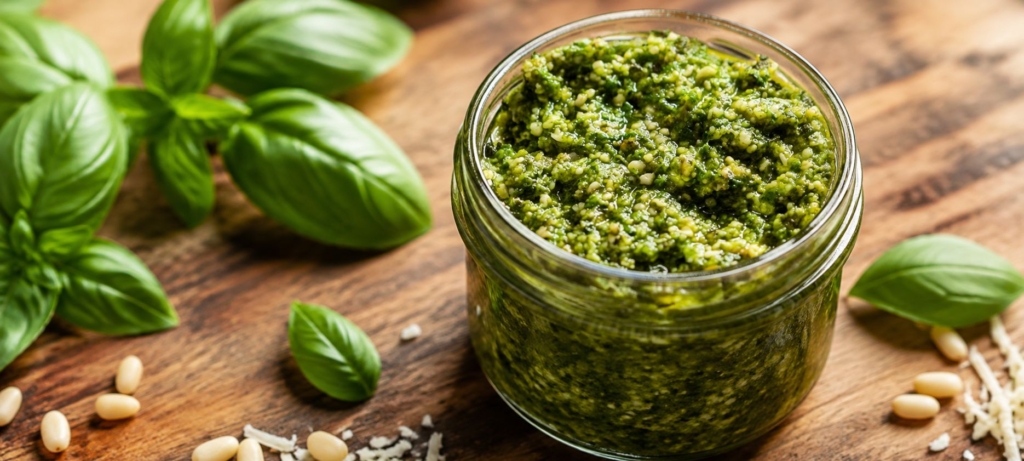
For something like pesto, which is a pasty sauce made with lots of fresh basil, you cannot substitute dried for fresh.
When to use them. We use fresh and dried herbs differently, too. The flavors in fresh herbs are delicate and ephemeral, so they are usually added with about 5 minutes or less left in the cooking process. Chopping them makes them give up their flavors more easily. Dried herbs should be crumbled and need to be added earlier to extract their flavors.
Storing fresh herbs. It is important to keep fresh herbs cool and moist. The best method is to put their stems in a vase of water in the fridge, but that’s not very efficient spacewise. Another technique is to wrap them in moist paper towels and pour that in a plastic bag that has some holes to allow it to breathe so they don’t get moldy.
Storing dried herbs and spices. Dried spices and herbs deteriorate with age, light, heat, moisture, and oxygen, and there can be a major difference in quality between a new bottle of basil and an old one. For that reason it makes sense to buy them in small bottles. My favorite spice merchant, Penzeys.com, sells many in half-bottle sizes holding about one ounce.
If you buy herbs and spices in plastic bags, put them in bottles. Air can penetrate bags. Twist the caps on tightly. Mark the date of purchase on the bottle. Store spices in cool, dark cabinets.
Fresh green herbs can usually be frozen. Dried green herbs age more quickly than ground spices. Toss them after a year. Toss ground spices after two years. Whole spices keep longer still. They get the heave-ho after three years. But these are just guidelines. Notice the color when you buy herbs and spices. Most are bright and vibrant. When they get dull and flat, toss them. Notice the smell when you buy them. Rub some in the palm of your hand and smell. If it is not strong and distinctive, out the door it goes. If they clump and cake so much you need an ice pick, sayonara. Tossing old herbs and spices can get expensive. If you must use an old herb or spice, just increase the quantities by about 25 to 50%, and taste the dish frequently. I often toss them on the coals of my grill for a little extra exotic smoke flavor, especially for fish and chicken.
Caking. To keep them from caking, pour spices into a measuring spoon or your palm. Don’t pour them directly into a hot pot because steam can get in when the spices get out.
Seasoning is not the same as flavoring. Did you know that when professional chefs speak of “seasoning” a dish, they’re talking about using salt and pepper, and only salt and pepper, not other herbs and spices? Herbs and spices are “flavorings”. Click here to learn what you need to know about the different types of salt.
Seasoned salts. Don’t use seasoned salts such as garlic salt or celery salt in cooking. Use garlic powder or celery seed powder. This way you can better control the salt content. Seasoned salts are sometimes nice to use on the dinner table. Make your own blend by blending 1/2 cup of sea salt with a tablespoon of mixed herbs and spices. Here’s my favorite seasoned salt recipe.
Save your zest! The thin colorful outer layer of citrus is called the zest and it is loaded with amazing perfumey oils that are the essence of lemon, lime, orange, and grapefruit. The white pith beneath the zest and on top of the meat of the fruit is dry and cardboardy.
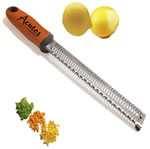
Whenever you use citrus, get a microplane and scrape off the zest. It will dry out on a plate usually overnight and then you can bottle it. There are a million uses for it from mixing it in with ground meats for sausage to salad dressings. Once you have it on hand, you’ll find uses for it.
The many flavors of a single seed
A single spice seed can have many different subtle flavors depending on how you handle it:
- Whole seed used raw
- Ground and used raw
- Whole seed toasted in a dry pan
- Ground and toasted in a dry pan
- Whole seed gently sautéd in oil
- Ground and gently sautéd in oil
- Whole seed soaked in water
- Whole seed soaked in alcohol
- Whole seed soaked in oil
- Ground soaked in water
- Ground seed soaked in alcohol
- Ground seed soaked in oil
Using herbs and spices
The flavors in herbs and spices are usually locked in and need to be dissolved to produce their a taste. Sometimes they are dissolved in our saliva, but more frequently they are dissolved in food by one of three common solvents: Water, alcohol, or fats. Usually heat accelerates dissolution.
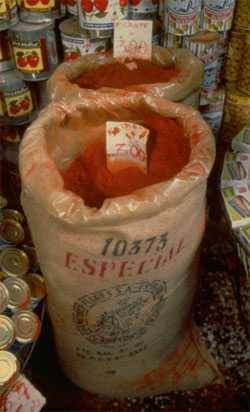
The flavor of many herbs and spices is in their oils and can best be released by putting them in oil. Heating the oil really accelerates extraction. It is not uncommon to start cooking by warming oil in a pan, adding onions until they wilt and sweeten in a few minutes, adding pressed garlic until it gives up its pungency in less than a minute, and then adding spices and dried herbs to extract their oils for about a minuter. The flavors spread throughout the oil and are then spread through the rest of the ingredients as they are added. The cooking process often ends by tossing in fresh herbs just before serving, just to warm them.
Oils can also be extracted and magnified by “blooming” ground spices in a dry warm, frying pan for a minute or two until they get aromatic. They can then be added to other ingredients.
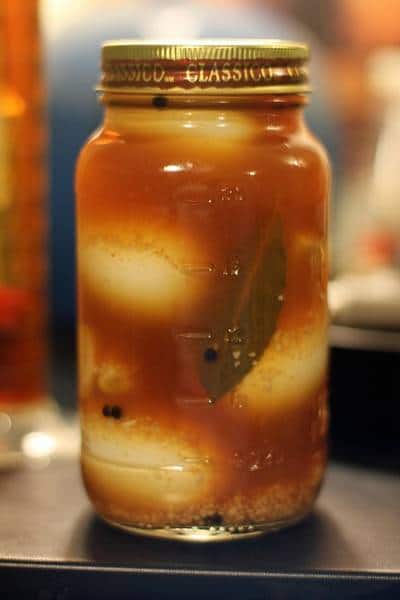
Some herbs and spices can be packed in oil to extract their flavors, but this is too risky to do at home. The process easily produces Clostridium botulinum which can kill you of botulism.
It is always a good idea to cook spices and herbs before serving them, even ground pepper. They grow outdoors where they are exposed to birds, rodents, and other furry creatures that can contaminate them. FDA testing has found contamination in many spices and herbs, especially salmonella. Cooking, even for a minute or two, can be enough to kill pathogens.
Marinades. In most cases dried herbs and spices are better in marinades than fresh because thy are more potent and dissolve more easily.
Beware of “sprigs”. Some recipes call for a sprig or rosemary or another herb. In general these are dangerous recipes unless they specify low long the sprig is or how much it should weigh. Rosemary, for example, can grow long sprigs, and the leaves can range from 1/4″ to more than 1″. Depending on the size of the sprig you choose, you could be adding perhaps three times as much flavoring as necessary.
Grind and sift your black pepper. If you use black pepper, it is always better to grind your own with a pepper mill. Freshly ground black pepper has more more pepper flavor, more bite, and more heat than the pre-ground stuff. If you use ground pepper on steaks or other things you are grilling hot, grind your pepper and sift it through a mesh strainer. Save the powder for something else, like your homemade barbecue sauce, and use the big chunks on the steak. Sprinkle them on and press them in with your hands.
The outdoor cook’s pantry
There are lots of other great ways to bring flavor and complexity to your dishes. You need hot stuff, tart stuff, oils, and dairy. Below is a list of what you need for a well-stocked pantry.
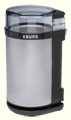
If you buy a good spice grinder you can get a lot of herbs and spices whole and grind them as needed. Whole seeds keep longer, taste better when ground fresh, and free up a lot of space in your kitchen. Get a coffee grinder for reducing peppercorns to crushed pepper, or for powdering celery seeds, anise, caraway, bay leaves, etc. Get one with a blade not burrs, and make sure it is easy to clean if you plan to use it for both coffee and spices (“Honey, why does the coffee make me cry today?”). I like the Krups GX4100 Electric Coffee and Spice Grinder. And while you’re at it, get a garlic press. Makes quick work of smashing up garlic.
The Essentials
Essential spices
- Allspice
- Celery seed
- Cinnamon powder
- Cinnamon sticks
- Clove, whole
- Coriander seed
- Cumin seed
- Garlic powder
- Ginger powder
- Nutmeg powder
- Onion powder
- Paprika, sweet
Essential dried herbs
- Basil
- Bay (laurel) leaf
- Dill
- Oregano
- Rosemary
- Sage
- Tarragon
- Thyme
Essential fresh herbs
Most of these will grow well on a well-lit window sill
- Basil
- Chives
- Oregano
- Parsley
- Rosemary
- Sage
- Thai Basil
- Thyme
- Tarragon
Essential hot stuff
- American chili powder
- Chipotle powder
- Curry powder
- Ginger, fresh
- Ginger, powder
- Horseradish in vinegar
- Hot pepper sauces
- Jalapeño chiles, fresh
- Mustard, Dijon style
- Mustard, yellow
- Mustard powder
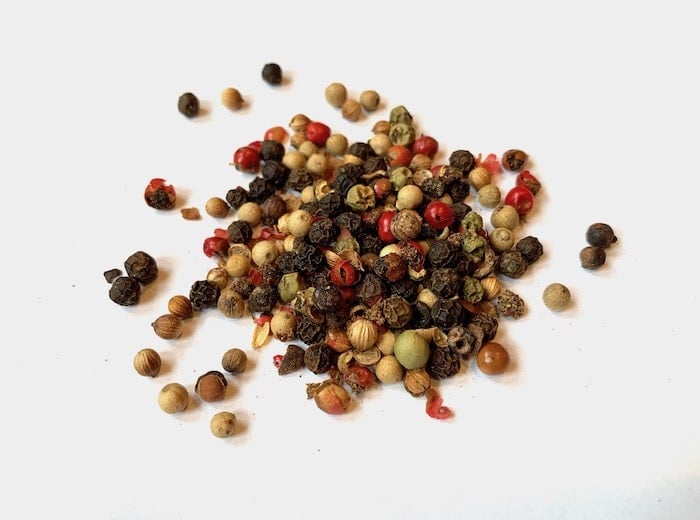
- Peppercorns in a grinder, black
Grain products
- Bread, fresh
- Breadcrumbs, plain
- Couscous, instant
- Corn starch
- Cornmeal
- Fettuccini
- Flour, all-purpose
- Macaroni
- Mostaccioli
- Rice, arborio
- Rice, brown
- Rice, white
- Rice, wild
- Spaghetti
Essential sweeteners
- Honey
- Hoisin sauce
- Jams, especially seedless black raspberry
- Maple syrup
- Molasses
- Onions, caramelized
- Orange juice concentrate
- Sugar, white
- Sugar, brown
Essential acids
- Lemon juice, fresh
- Lemon juice, bottled
- Lime juice, fresh
- Orange juice, bottled
- Vinegar, distilled Vinegar, cider
- Vinegar, cheap balsamic
- Vinegar, Balsamic condimento
- Wine, white
Essential fats & oils
- Bacon fat
- Butter, unsalted
- Mayonnaise
- Olive oil, cheap
- Olive oil, good extra virgin
- Peanut oil
- Sesame oil
Essential produce
- Ancho chiles
- Bell pepper, green
- Bell pepper, red
- Carrots
- Celery
- Garlic, whole fresh
- Onions, pearl
- Onions, medium
- Potatoes
- Tomatoes, fresh plum
Essential dairy
- Butter, unsalted
- Cheddar, sharp yellow
- Chocolate, milk
- Chocolate, semisweet chips
- Cream cheese
- Sour cream
- Swiss or Jarlsberg
- Milk, at least 2% fat
- Parmigiano-Reggiano
- Yogurt, plain
Other essentials
- Bacon
- Barbecue sauces
- Beans, kidney, dried
- Beer, lager Beer, stout or porter
- Bourbon
- Broth, chicken, Broth, beef
- Cranberries, dried
- Coffee, whole bean
- Eggs
- Ketchup
- Pesto, frozen
- Pickles, dill
- Pickles, sweet gherkins
- Raisins
- Salt, kosher
- Salt, sea
- Soy sauce
- Tomatoes, canned whole
- Tomato paste
- Tomato salsa
- Vanilla extract
- Wine, medium dry sherry
- Wine, low tannin red
- Worcestershire sauce
Optional
Optional spices
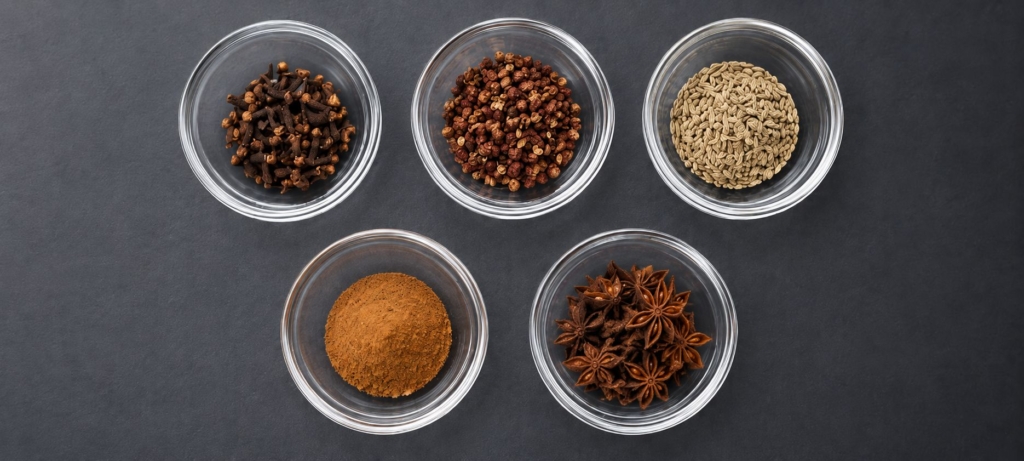
- Anise seeds
- Caraway seeds
- Cardamom seeds
- Dill seeds
- Fennel seeds
- Five spice powder
- Paprika, hot smoked
- Peppercorns, Sichuan
- Saffron
- Star anise
Optional dried herbs
- Chervil
- Marjoram
- Mint
- Epazote
- Lavender
- Lemon grass
- Savory
Optional fresh herbs
- Celery leaves
- Cilantro (coriander)
- Chives
- Dill
- Mint
- Parsley
Other useful stuff
- Accent
- Apple butter
- Baking soda
- Baking powder
- Bell pepper, orange
- Amaretto Liqueur
- Chipotles in adobo
- Coffee, instant
- Cured ham
- Ghee (clarified butter)
- Grand Marnier Liqueur
- Grenadine
- Lemon zest
- Liquid smoke
- Orange zest
- Panko
- Pancake mix
- Peppercorns, white
- Raspberry Liqueur
- Tamarind paste
- Teriyaki sauce
- Splenda
- Wasabi powder
- Yeast, dry
Substituting one herb or spice for another
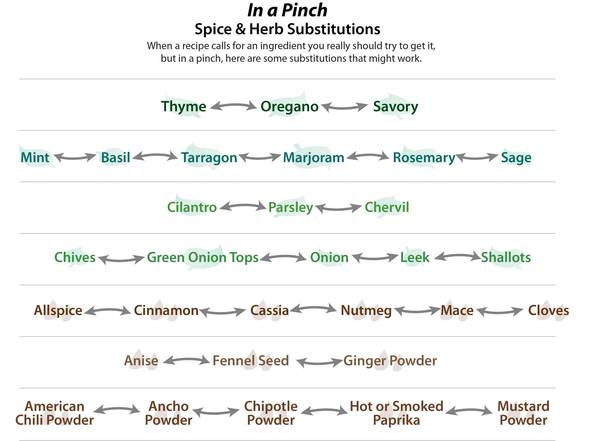
Whenever possible, you should use the hers and spices in the recipe. But many are similar in taste so if you are out of one you can use another. By trading one herb for another you will be significantly changing the taste of the dish. Also, some herbs are stronger than others. For example, you can use basil in place of cilantro, but cilantro is stronger. You should also remember that powders are stronger than crumbled herbs and spices because they are more compact with less air, so ground cayenne will be stronger than crumbled cayenne.
It is always better to make a quick run to the grocer or knock on your neighbor’s door if you lack an ingredient, but making one of these substitutions will usually work. The dish will be good, but different. The farther to the right you go the further you get from the taste of the one on the left.
Blends
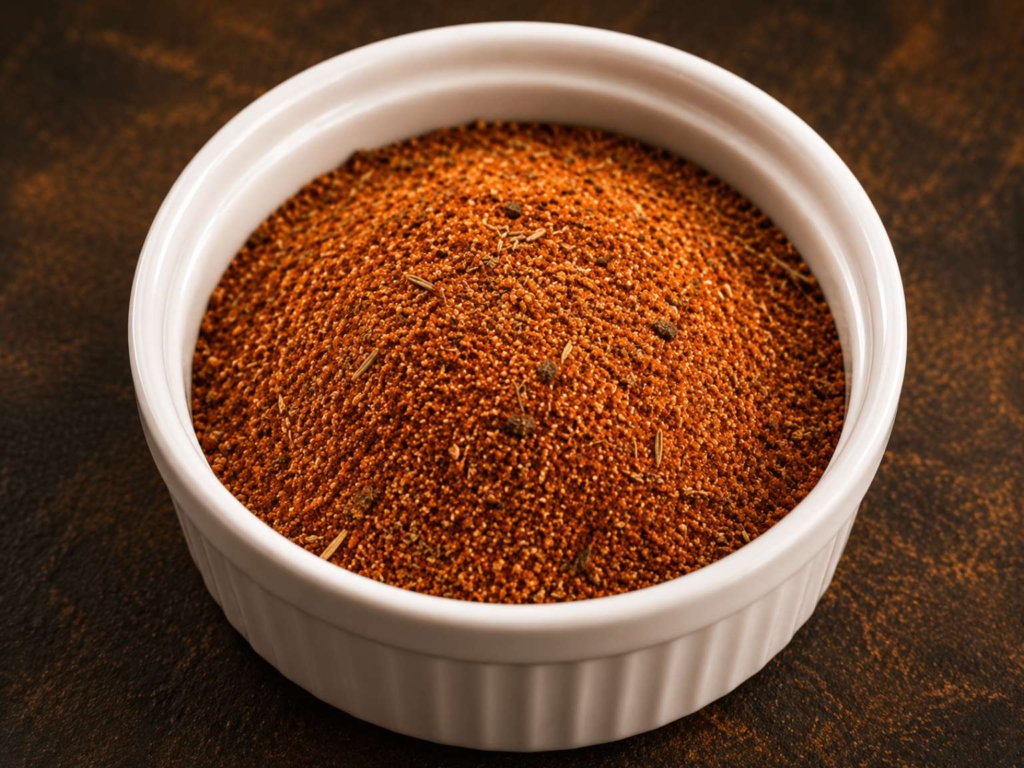
There are numerous handy blends of dried herbs and spices on the market. Did you know that American chili powder and curry powder are actually blends of several different ingredients? Some popular blends you should stock are:
- American Chili Powder
- Chinese Five Spice Powder
- Curry Powder
- Garam Masala
- Herbes de Provence
- Lemon Pepper Seasoning
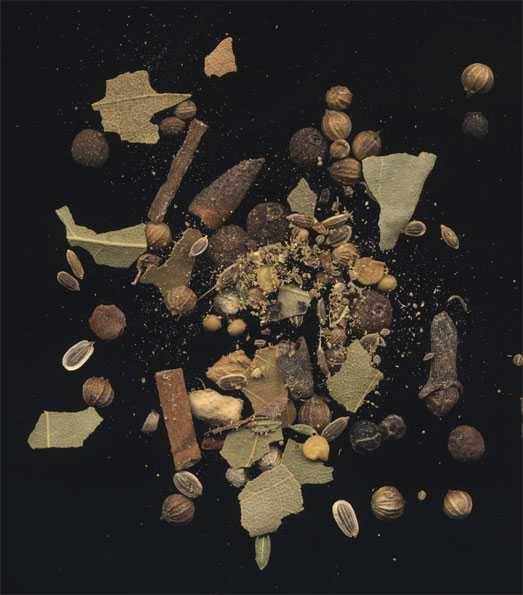
- Pickling Spices
- Poultry Seasoning
- Pumpkin Pie Spice
- Ras el Hanout
- Taco Seasoning
Other popular branded commercial spice blends are:
- Lawry’s Seasoned Salt
- Old Bay Seasoning
- Emiril’s Essence
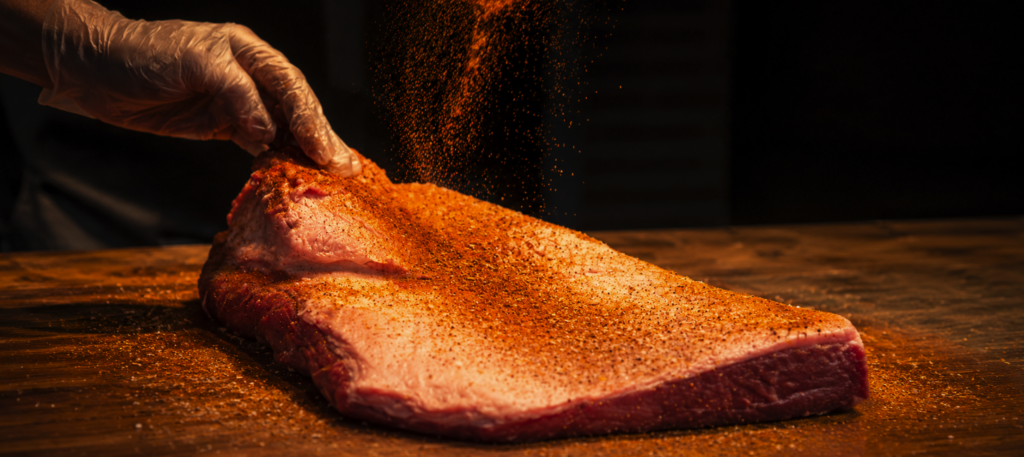
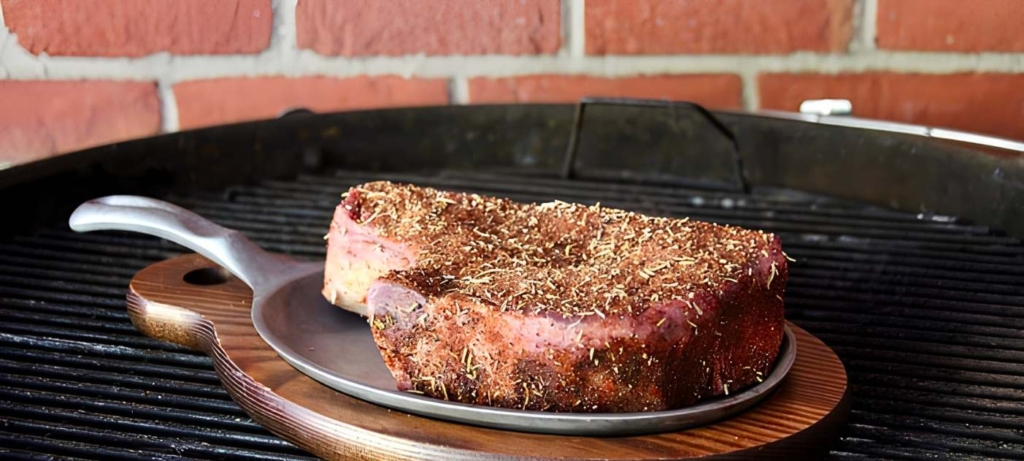
My original recipes are easy mixes for you to make and keep on hand, and the recipes are free! I have a nice variety of spice blends and rub recipes you can make at home and save a bundle here. Here are some of them.
- Meathead’s Memphis Dust
- Mrs. O’Leary’s Cow Crust
- Big Bad Beef Rub for Brisket
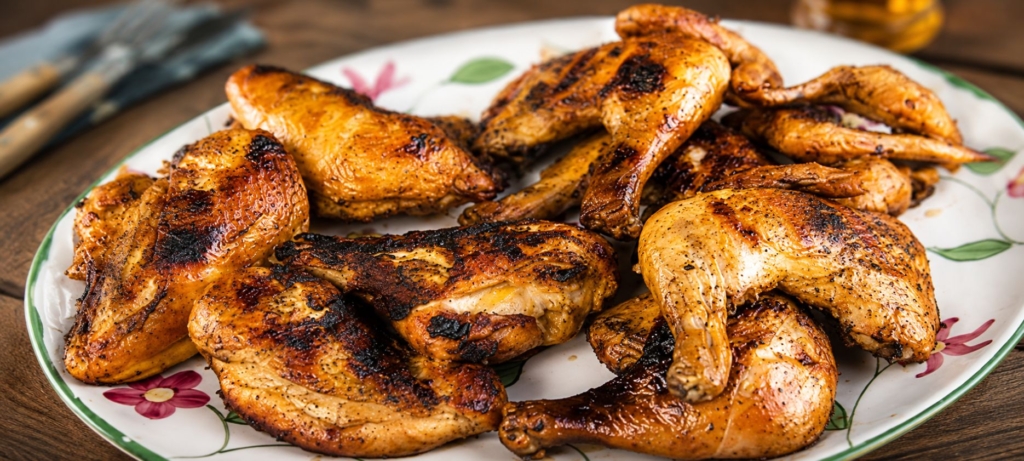
- Simon & Garfunkel Rub for Chicken & Pork
- Rendezvous Rub
- Seasoned Sea Salt
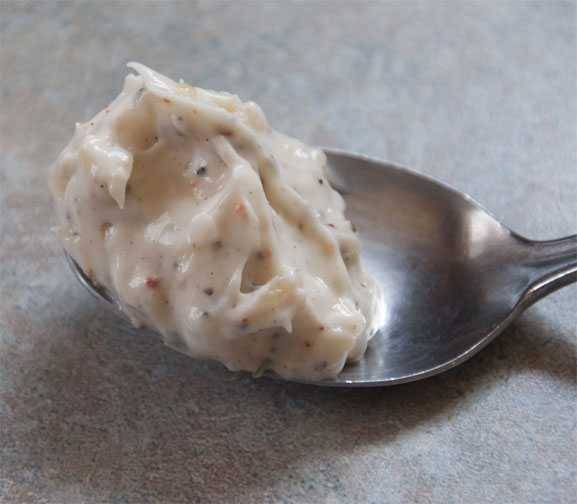
- Mayo With Mojo
- Lamb Paste
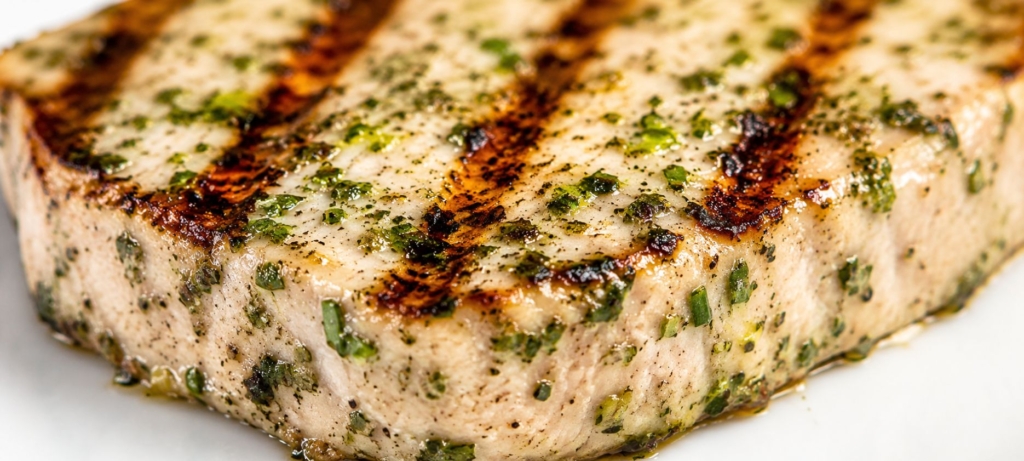
- Marietta’s Fish Rub
- Seasoned Salt
Where to buy great herbs & spices
Let me make this simple: Penzeys. This quality-first spice merchant began as a single store in Wisconsin and, as people compared the taste of Penzeys spices with the grocery store brands, they grew to about 30 locations nationwide. I had the pleasure of meeting the founders when they only had one store and they blew me away with their knowledge and sincerity.
Do an experiment. Order one of Penzey’s cinnamons (last I checked they had eight different cinnamons) and compare it with what you have on your shelf. It’s like you’ve never tasted cinnamon before! You’ll never go back. Order their catalog. It’s beautiful and the recipes are also great. Alas, their website is not very good.
Growing your own
It is amazingly easy to grow herbs and spices on a bright window sill and just a single pot will be a year’s supply for most families. Here are some that I cannot live without.
Thyme. This perennial is hardy in the garden, spreads nicely, and grows well in a bright window indoors. It is my favorite all-purpose herb. It works just about everywhere, but really shines in omelets and scrambled eggs.
Oregano. Re-seeds itself every year and grows easily in cold climates and indoors. Nothing wakes up pizza or tomato sauces like fresh oregano.
Chives. Re-seeds itself every year and is hard to kill outdoors. Use it whenever you want just a hint of green oven flavor, especially in dairy like cream cheese spreads, and sour cream on potatoes.
Rosemary. Not everyone likes the distinctive piney flavor of this herb, but I’m a big fan. It’s perfect for marinades and on lamb and poultry. We grow it outdoors in a pot over the summer and move it indoors in the winter.
Black Pearl Peppers. A new breed that produces brilliant red marble size hot peppers and deep eggplant colored leaves. This is just a beautiful plant. We grow it outdoors in a pot over the summer and move it indoors in the winter.
Organic Gardening magazine also recommends sage, parsley, and basil, but I have never tried them indoors.
Keep the soil moist, but every now and then let it dry down to about two inches and repot them once a year or as they get large. Organic Gardening offers this tip: “Herbs don’t like soggy soil, but they prefer humid air. Solve this paradoxical problem by setting your pots on a tray of pebbles. Then fill the tray with water, making sure that the bottoms of the pots don’t come in contact with the water. Viola! Instant humidity.”
They also say “Place your tray of herbs in a south-facing window. Herbs need at least five hours of bright, full sunshine a day to stay healthy, and sometimes the low winter light just isn’t enough. For the best results, place your herbs under fluorescent lights for 14 hours a day. Keep the lights 6 to 8 inches away from the tops of the plants. Basil, chives, oregano, rosemary, sage, and parsley can all be grown indoors.”
A word of caution: Resist the temptation to move indoor plants outdoors in summer. They pick up mites and insects outdoors that can easily spread to other plants indoors in winter.
My favorite cooking tools
Click here to see a buying guide to more of my favorite cooking tools and a discussion of why I like them.



Before you can post a comment or question you must sign into our commenting partner, Disqus. This helps make sure everyone hanging around the grill is civil. We do not tolerate nastiness, racism, porn, inappropriate language, or attacks on others. All comments are the property of AmazingRibs.com and we reserve the right to quote them, edit them, delete them, and block people from making future comments.
Please leave comments and questions on the same page that is devoted to that subject so others can see questions and our answers when they are reading about the subject. You must enable JavaScript to use the comments section, and you must accept cookies to post comments. Note: the software that runs Disqus is different from the Pitmaster Club, so members need to sign into the Pitmaster Club separately.