




Rice is the primary food for more than half the people in the world. It is the seed of a grass and is the staple of many cuisines from Asia to Mexico to Africa because it is rich in protein, starch, minerals, and vitamins, and low in calories and fat. It is versatile enough to be an integral part of an entree or a dessert.
Rice is intimately linked to the cuisine of the American South, especially barbecue, because it was cultivated extensively by slaves in the coastal areas of South Carolina and Georgia, where low and slow smoke roasting was also perfected by slaves.
According to the USA Rice Federation, there are 120,000 different varieties of genus Oryza, but the most common cooking rices in the US are white rice, brown rice, arborio rice, and wild rice, all described below. There are many others available. I’m a big fan of forbidden black rice, red rice, and jasmine rice.
Commercially, rice can be made into a syrup, a milk substitute, noodles, fermented into wine, beer, vodka, vinegar, and biofuel, and the bran can be used to make vegetable oil. It can also be popped to make rice cakes, the puffed rice breakfast cereal Rice Krispies, and let’s not forget Rice Krispie bars.
Here’s a fun tip: Crush a couple of garlic cloves and throw it in with the rice as it cooks. Or add some herbs, spiced, even juices!
About brown rice
Brown rice is whole grain rice that has been husked to remove the chaff, but it is still wearing its outer bran layer. According to the USA Rice Federation, one cup of brown rice provides two of the three recommended daily servings of whole grains. It is nuttier, chewier, and slightly more nutritious than white rice. But not as much as you have been told. Because there is oil in the husk it can go rancid if kept too long, so it should be stored in cool dark places or the refrigerator. There are several varieties, but they all cook about the same. Brown rice needs just a bit more water than white rice and takes about twice as long to cook.
About white rice
Further processing of brown rice removes the outer bran layer, the germ, and much of the nutritional value. White rice can be stored in a sealed container for years, but watch for infestations if somehow insect eggs got in. Remember rice is grown in a field and it is hot preheated or treated and things like small pantry moths are common in rice.
Long grain rice is not as sticky as short grain rice so it is the best choice for fluffy side dishes such as pilaf, rice salads, or as a base for saucy dishes.
Medium grain rice is more moist and tender than long grain rice when cooked, and has a greater tendency to cling together.
Short grain rice clumps more easily and is the best choice for sushi and desserts.
Enriched rice has had some iron, niacin, thiamin, and folic acid coated on the surface of the kernel to replace that which is lost when the bran and germ are removed.
Converted rice is steamed before it is husked. This forces many of the nutrients from the husk into the kernel making it more nutritious than most white rice. It cooks quickly and doesn’t clump easily. Uncle Ben’s is the best known brand.
Minute rice or instant rice is white rice that has been cooked and then dried. It is more expensive, and doesn’t have the same nutritional value. Since other rices are so easy to make, its main advantage is speed, cooking in about 5 minutes. It saves you about 10 minutes.
A reader has pointed out that “It makes great cheap backpacking food, especially at high altitude where cooking times need to be increased. That saves fuel. Fish can be steamed above it and the resulting broth adds a touch of fish stock to the rice. Herbs, a few shreds of smoked meat, and you can make a cheap ‘gourmet’ meal on the trail. It is good for breakfast, just add cinnamon sugar, crushed starlight mint, dried fruit, or a square or two of chocolate for a varied, simple breakfast. The unsticky quality of Minute Rice makes cleanup easier. Just boil another cup of water in the pot, scrape a bit, and you have a safe drink to finish the meal. It is clearly not as nice as real rice, but it keeps you fed on the trail.”
Cooking brown and white rice
Controversy over washing. Many people strongly recommend rinsing or washing rice. Doing so removes loose starch on the surface that makes rice sticky and clump. It also removes dirt, dust, and some contaminants. If fluffy rice is the goal, consider rinsing. On the other hand, rinsing removes some of the stuff that makes rice healthy. The again, you probably don’t need the little extra nutrients on a portion of rice. You get plenty of nutrients elsewhere on a western diet.
If you wash arborio rice you will remove the starches that make the creamy sauce. And you probably don’t want to was rice heading for rice pudding.
To rinse, put it in a strainer in a bowl and the rice in the strainer. Hold the rice under cold running water, swishing with your fingers for a about 5 minutes. Dump the bowl periodically and you will notice the very milky water in the bowl will progress towards clear. Keep rinsing until the water in the bowl is almost clear.
Measure carefully and use a timer. Rice is not very hard and it is not very forgiving. Get your measurements and timing right.
Portion size. 1/3 cup of uncooked long grain white rice produces 1 cup of finished rice or 1 serving per adult.
For white rice, 3 parts rice to 4 parts water. 1/3 cup of uncooked long grain white rice plus 1 1/3 cups boiling water or stock makes 1 cup finished rice or one serving. Add 1/2 teaspoon of kosher salt and 1 tablespoon unsalted butter to the liquid. Actual amount depends on the heat and the tightness of the lid since some of the water steams off.
Stovetop cooking. Put the water or stock, plus 1/2 teaspoon Morton Coarse Kosher Salt, and 1 tablespoon unsalted butter in a saucepan with a tight fitting lid and bring to a boil. Add the rice, pouring it in slowly so that each grain is engulfed in water rather than just dumping it in. This will help keep it from clumping. Stir briefly and dial back the heat to a slow simmer, on low. Cover with a tight lid so very little steam escapes and simmer 15 minutes for white rice, 45 minutes for brown rice and wild rice. Do not lift the lid and do not stir during the 15 minutes. Then lift the lid and fluff it and taste it. If it is too crunchy, cook for another 2 to 4 minutes. Remove from the heat and let it sit for 5 minutes, fluff with a fork and serve.
Cooking tips. The basic concept for rice cookery is the same for all types except arborio rice. Exact cooking times can vary depending on your rice source, altitude, and if you like it crunchy or soft.
Oven cooking. Rice is often used in casseroles and stews cooked in the oven. Cook white rice at 350°F for 30 minutes, brown and wild rice for 60 minutes.
Microwave cooking. Don’t try to cook more than one cup at a time in the microwave. Put the rice, liquid, and salt, in a microwave safe bowl and stir. Top with the butter. Cover with plastic wrap and poke three holes in the plastic with a knife tip to allow steam to escape. Cook on high power for 12 minutes. Cook brown and wild rice for 30 minutes. Let it sit for 5 minutes, remove the plastic being careful not to steam clean your eyebrows, and taste. If needed, cook a few minutes longer. If there is excess water, drain it in a strainer. Fluff with a fork, add salt, pepper, and butter to taste, and serve.
Rice cooker cooking. Rice cookers have a heating element and an inner pan that sits above the heat and make rice cookery practically brainless. The cooker senses when the rice is done and alerts you. Some can hold the rice and keep it warm for a short while. Mine has a glass lid, and I like that. Follow the directions on your cooker.
About the cooking liquid. Rice absorbs a lot of liquid when prepared and can be cooked in water as well as other liquids such as broths, stocks, soups, stews, and juices. If you use a flavorful liquid like soup or broth, you may want to skip the salt in the recipe since soups and broths often have salt in them. You can always add it later but you can’t take it away. If you want to cook rice in fruit juice, dilute the juice one to one with water
Add-ins. If you wish, you can add onion, peas, carrots, or other vegetables, even bits of cooked meat, when you add the rice. Add fresh herbs when you remove it from the heat and let them steam during the 5 minute rest.
Brown the rice to amp it up. Before cooking, rice can be browned in a thin layer of oil to produce a richer nuttier flavor.
Serving. Put butter or fresh oil on the table if you wish. A pat of butter can practically glows on the palate when mixed in rice.
Leftovers. Leftover rice can be covered and stored in the refrigerator for up to a week or frozen for up to 6 months. In fact, it makes sense to cook lots of brown rice when you are preparing a meal and freeze whatever you don’t use. Then you can have brown rice for dinner any night in a hurry. To reheat, add 2-3 tablespoons of water per cup of rice and heat in a saucepan over a medium heat, fluffing frequently with a fork. To reheat in the microwave, add the water, cover with plastic wrap, poke three holes in the cover, and nuke it for 1 minute on high. Or use it for fried rice or rice pudding. Another idea is to make fried rice.
Cooking brown rice and wild rice
Add 1/4 cup more liquid to brown rice for a total of 2 1/4 cups liquid to 1 cup of rice. Add 1 cup more for wild rice for a total of 3 cups of liquid to 1 cup of rice. Do not wash brown rice, but you should lightly rinse wild rice. Again, the temp of the stove and tightness of the lid impact evaporation so your mileage may vary.
Bomba Rice
Bomba is a short grain from Spain that is ideally suited for paella because it is especially good at absorbing the flavorful cooking liquid, up to three times its volume.
Arborio Rice
This variety absorbs a lot of liquid and retains its shape so it is best used for making risotto, the Italian rice dish that can be a meal in itself. Risotto is made by adding stock or broth and other flavorful liquids which it gladly absorbs. It clings to itself and makes a creamy, rich binding sauce while retaining a chewy texture. You should never rinse arborio rice or you will remove the starches that make it creamy.
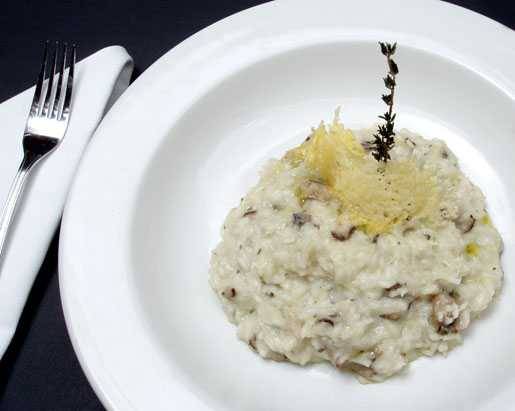
Arborio rice drinks about 4.5 cups of liquid per cup of uncooked rice, and takes about 30 minutes. It should be cooked over a low temp on the stovetop, uncovered, and stirred almost constantly. Creative chefs find all sorts of fun things to put in the liquid. The best risotto I ever made had a roasted red pepper that I liquefied in a blender in the liquid.
Arborio rice can be used to make paella, just don’t stir it while it is cooking.
Rice Mixes
Many manufacturers make some fun and convenient rice mixes packaged with herbs and spices. They are quick and have saved me many nights.
Wild Rice
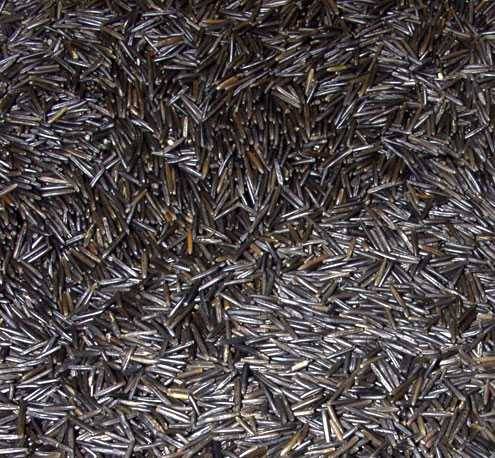
Native to North America, “wild” rice is a grass (Oryza zizania) that is a relative of Asian rices described above (Oryza sativa), but the difference in genus causes many smartypants to insist it is not really rice. The grains are dark and long. That’s cultivated wild rice in the picture at the top of the page. You can also tell the difference by looking at the price. Wild rice is cultivated just like other rice although you can sometimes find truly wild rice that grows in the wild. Wild wild rice, most of which is handpicked in Minnesota, is 2 to 3 times more expensive than the already expensive cultivated wild rice. It’s good, but not worth it IMHO. Cooking methods are approximately the same as Asian rices.

Why We Require You To Sign In Before You Can Post Comments
Before you can post a comment or question you must sign into our commenting partner, Disqus. This is helps make sure everyone hanging around the grill is civil. We do not tolerate nastiness, racism, porn, inappropriate language, or attacks on others. All comments are the property of AmazingRibs.com and we reserve the right to quote them, edit them, delete them, and block people from making future comments.
Please leave comments and questions on the page devoted to the same subject so others can see them and our answers when they are reading about that subject. You must enable JavaScript to use the comments section, and you must accept cookies to post comments. Note that the software that runs Disqus is different from the Pitmaster Club so members need to sign into that separately.
Moderators