



Stocks, broths, bouillons, court bouillons, gravies, consommés, reductions, demi-glaces, nages, soups, soup bases, jus, pan sauces, and sauces are all flavorful liquids. They’re often made in a similar way. The photo here shows mirepoix (2 parts onion, 1 part carrot, 1 part celery) with some herbs and spices, sautéing in butter to make the base of a red wine sauce. Mirepoix is the basis for many types of stocks, broths, soups, and gravies.
Stock. Meat stocks are usually made by placing meats and bones in cold water, bringing it to a simmer, but not a boil, skimming off the foam and fat, and then adding vegetables, herbs and spices, and simmering for 2-12 hours to extract the flavors, proteins, and gelatin. Sometimes the meats, bones, and vegetables are browned before simmering to crank up the flavor. After cooking the stock is strained. There are also vegetable stocks made without meat. Stocks can be consumed straight or used as bases for soups, stews, gravies, and sauces. They are also used for cooking grains such as rice, pastas such as couscous, or poaching other foods such as meats. They are easy to make at home from leftovers or they can be bought in cans or boxes. Stocks can be found full strength, condensed, and low sodium. Bouillon (see below) can also be used to make stocks. Open containers of stock should be stored in airtight nonmetal containers. Many chefs freeze stocks in ice cube trays and store the cubes in plastic bags.
Broth. Cooks argue over the definitions of broth and stock. Some say that stock is made from bones and broth is made from meat. Not true. Some say stock will gel when cooled and broth will not. Not! For all practical purposes, there is no difference.
Consommé. A light stock that has been clarified, often with egg whites, to remove large solids. Concentrated consommé with gelatin added can be made into aspic, a flavorful jelly.
Reduction. A liquid that has been boiled in order to remove water and concentrate flavor.
Demi-glace. A very thick, shiny, concentration of veal sauce.
Nage. Stock that is cooked down to concentrate flavor but is not a base yet.
Soup Base (aka Cooking Base). Stock concentrated into a paste. It usually has salt added.
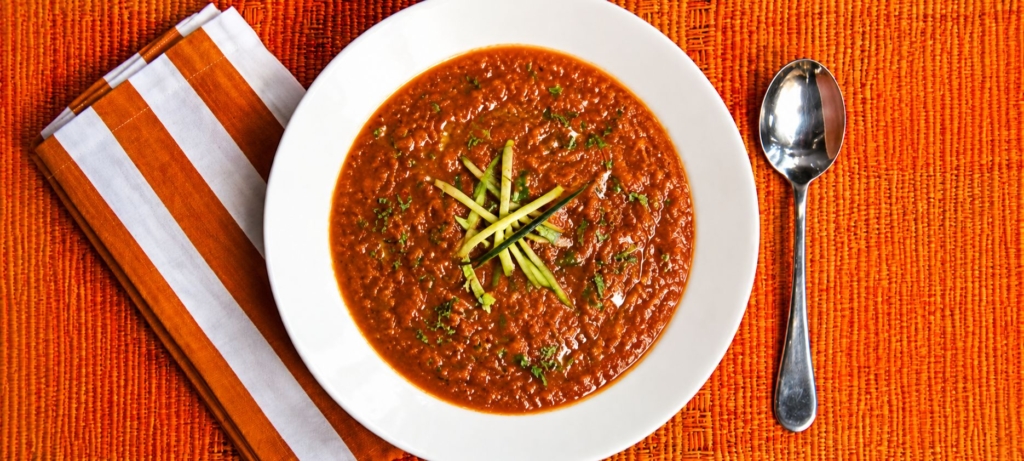
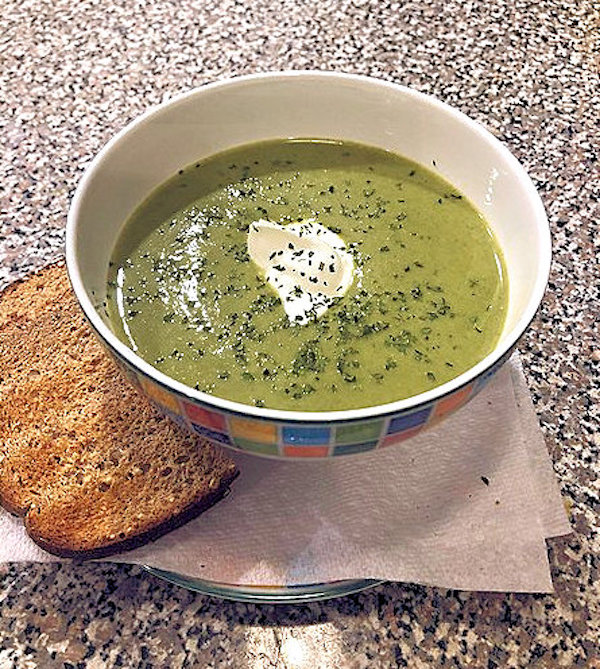
Soup. Usually based on a stock, soup typically contains chunks of meats, vegetables, grains, and pastas cooked in the stock. Chowders are soups that are usually cream based. Soups can be thin or quite thick.
Bouillon. Solid cubes, granules, or powders made from highly concentrated meat or vegetable stocks. When reconstituted with water, bouillon becomes stock. They often have a lot of salt added so they are not a good choice for sauces that call for reductions.
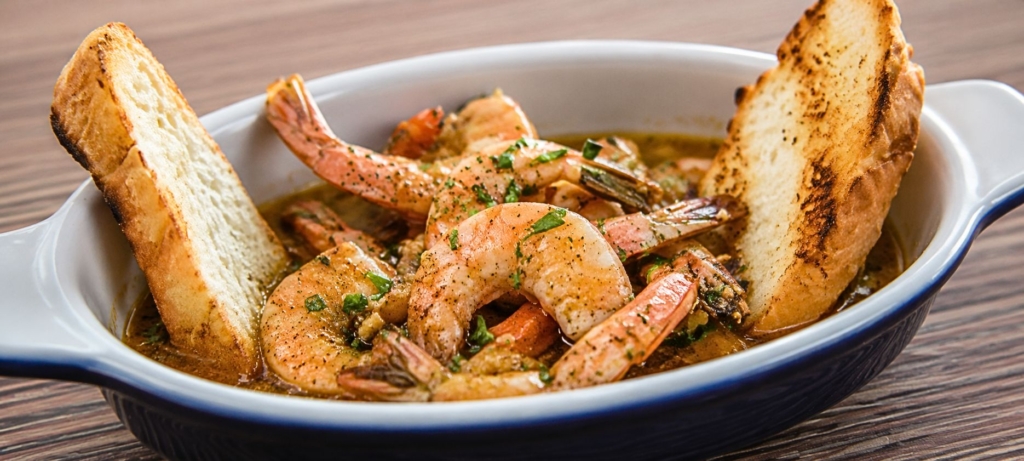
Court bouillon. French for “short broth.” This is a simple liquid for poaching meats and veggies made by simmering veggies and herbs. Typically thin and used for cooking seafood.
Gravy. Stocks that have been flavored with seasonings, wine, milk, juices, etc., concentrated, and thickened with cornstarch or flour to be served on meat, potatoes, and pastas. In many Italian American households, tomato sauce is incorrectly called gravy.
Jus or au jus. The natural juices that run off cooked meat, especially when it is cut.
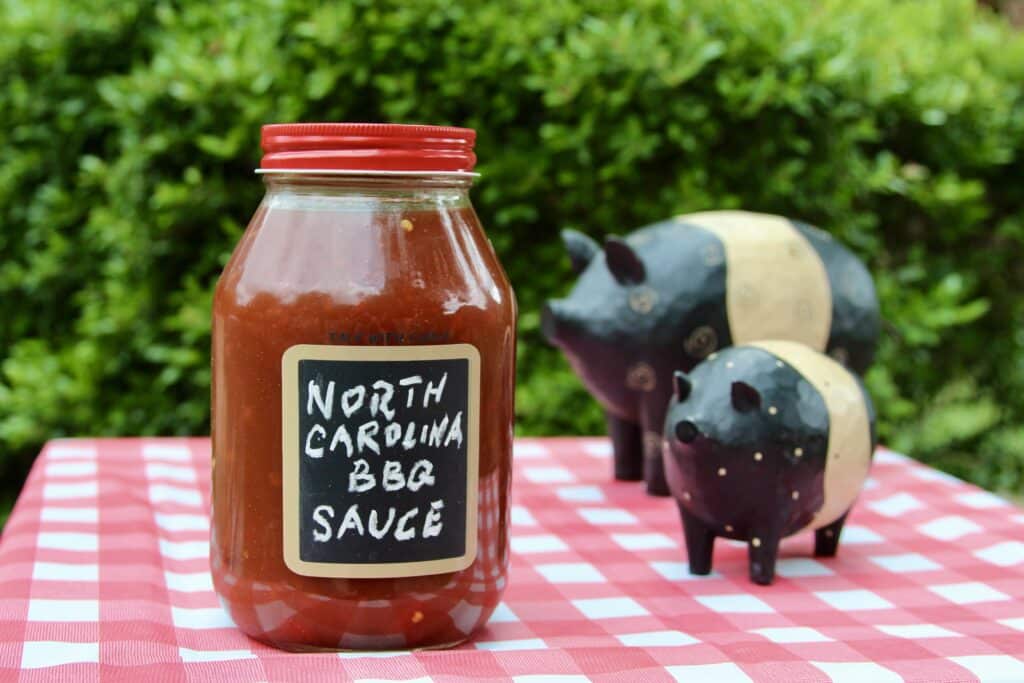
Sauce. A thick liquid that is usually highly flavored. It is used to alter the flavor of foods by serving it on the foods or with them.
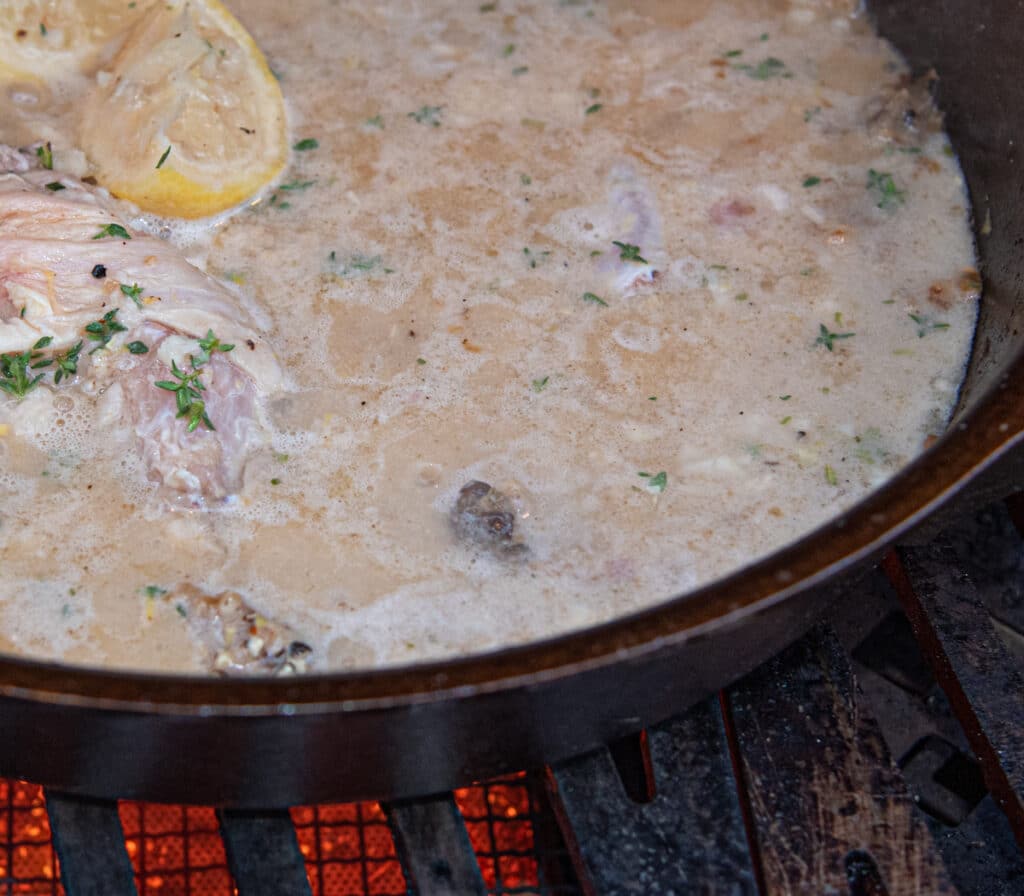
Pan sauce. The powerful bits of flavor that stick to the bottom of a pan when meats and veggies are sautéd in it are called the fond, French for foundation. If you remove the meat and veggies, and add liquid like water, wine, booze, or broth, then turn up the heat, the fond will dissolve and make a rich liquid. This can be turned into a pan sauce with the addition of cream, butter, and/or a thickener, preferably arrowroot.






Before you can post a comment or question you must sign into our commenting partner, Disqus. This helps make sure everyone hanging around the grill is civil. We do not tolerate nastiness, racism, porn, inappropriate language, or attacks on others. All comments are the property of AmazingRibs.com and we reserve the right to quote them, edit them, delete them, and block people from making future comments.
Please leave comments and questions on the same page that is devoted to that subject so others can see questions and our answers when they are reading about the subject. You must enable JavaScript to use the comments section, and you must accept cookies to post comments. Note: the software that runs Disqus is different from the Pitmaster Club, so members need to sign into the Pitmaster Club separately.