



Just say no to crockpot pulled pork recipes and hello to the real deal. It’s sure to be the best smoked BBQ pulled pork recipe you’ve ever had the pleasure to eat!
While there are countless non-barbecue websites out there promoting their “quick and easy pulled pork recipe,” the bulk of these call for cooking a pork butt in a crockpot, Instapot, or other slow cooker. While the end result may LOOK like BBQ pulled pork, there really is no substitute for an authentic smoked pulled pork recipe featuring meat that has been slowly cooked over low heat in a smoker or grill until it is melt-in-your-mouth tender.
I Like Pork Butts And I Cannot Lie! (click here to share this on Twitter).
Pork butt (or the larger pork shoulder which is made up of the butt and the picnic) is a most forgiving cut, and it is almost impossible to ruin when cooked low and slow, making it a great place for beginners to start learning how to smoke meat.
With a combination of smoke woven through tender threads of moist meat, potent bits of strongly seasoned crust, and a gentle splash of barbecue sauce, pulled pork is one of the most popular low and slow smoked foods, perfect for feeding large crowds. It is best made from pork butt (a.k.a. Boston butt, butt, shoulder butt, shoulder roast, country roast, Boston roast, and shoulder blade roast), which typically weighs from 5 to 8 pounds. And you can do it well on a smoker or practically any grill with a lid. “How long does it takes to cook pulled pork?” you ask? At 225F, plan on about 1 hour 15 minutes per pound.
Smoked pork butt a lazy, slow, easy, and fragrant process. You set up a lawn chair and sip a cup of coffee as you put the meat on in the morning, then as the sun gets high, you switch to a cool refreshing beverage like beer, and at mid-day maybe a mint julep is in order to refresh the palate, then as the meat approaches doneness with the sun waning in the sky, you might switch to straight Bourbon. A day well spent. Here’s the best pulled pork recipe ever!
What is a Pork Butt?
Despite what it sounds like, pork butt comes from the shoulder, has a shoulder blade bone in it, and is laced with flavorful fat and connective tissue. That’s the story of the origin of Southern barbecue. A cheap cut of meat that the slave owners didn’t want, that, as the slaves discovered, when cooked low and slow, when the fat and collagens melt, the muscle fibers are made tender, moist, and succulent. Like buttah. Please don’t ruin a lean, tender, pork loin by trying to make pulled pork. Loin meat has little of the fat and connective tissue necessary to make great pulled pork. If you have a loin, use this approach. No ifs ands or butts, butts makes the best sandwich meat on the hog.
What is Berkshire Pork?
Berkshire hogs are a breed that became scarce when the pork promoters moved to leaner pork to promote it as “the other white meat”. Berkshires tend to have darker, fattier, and more flavorful meat. The best smoked pulled pork recipe I ever had was a Berkshire served at a catered event, without sauce, by Barry Sorkin of Smoque BBQ in Chicago. It looked like turkey dark meat and was incredibly tender and flavorful. It is not on their menu yet because it is expensive, but one can hope. Click here to learn more about Berkshire pork.
How Much Pulled Pork Should I Make Per Person With This Easy BBQ Pulled Pork Recipe?
That depends on the gender, age, time of day, what else is being served, and amount of alcohol present. If you are serving chicken, hot dogs, brats, and burgers as well as pulled pork, you will need less. There is significant shrinkage and waste in the form of bone and globs of fat you discard when pulling. So factor that in when preparing this smoked pulled pork recipe. Count on about 30% loss, and if there is less, then you’ll have leftovers. I usually plan on buying 1 pound per person before shrinkage, trimming, etc., and look forward to leftovers. I freeze leftovers in two person portions in zipper bags and they have rescued many a Tuesday night when we don’t feel like cooking from scratch.
Click here for an article on how much to cook for a party. Also be sure to check out an article about how to adjust cooking time if you are cooking more than one, if at all, if you are cooking several butts at once.
Cooking Time: How Long Does This Easy BBQ Pulled Pork Recipe Take?
This is flesh, not widgets, and one hog is different than another, your cooker has its own peculiarities that can significantly impact cooking time, and even weather and humidity come into play. The determining factor in cooking time for all meats is the thickness of the meat. So smaller and thinner butts will cook faster. A 5 pounder should take 10 to 12 hours with this smoked pulled pork recipe. After you prepare this smoked pulled pork recipe one or two times, you will learn how your cooker handles this cut. Read my article on what determines cooking time.
Allow plenty of time and have handy a beer cooler to use as as a faux Cambro to hold the meat if it finishes early. The meat is at its maximum tenderness and juiciness when it hits 203°F(95°C) (203°F is my target, but actual time and temp varies on the individual animal).
If it is not ready on time, don’t panic. You can crank up the heat if you are running behind. Butt can handle it. Butts are very forgiving so temp control is not crucial. The bark might get a bit dry, there might be a little more shrinkage than usual, it might be slightly more chewy, but it will still be delicious. If you kick the temp up to about 275°F(135°C), you can cut cooking time by 2 to 4 hours. If you use the Texas Crutch at about 150°F(65°C) you can cut another 2 hours or so off cooking time.
Again, your time may vary depending on a number of variables such as humidity in the cooker. Don’t forget to allow 30 minutes to pull the meat if you do it with your fingers (ouch!), 15 minutes with Claws. If it is time to serve and it is still not at the ideal temp, just slice the meat. Don’t pull it because it won’t shred easily. Slices of smoked pork butt are wonderful.
You absolutely positively cannot rely on bi-metal dial thermometers. If you are not monitoring your cooker with a good digital oven thermometer, and if you are not monitoring the meat with a good digital leave-in thermometer you are setting yourself up for disappointment. All the pros use digital thermometers and this is far more important than injecting or foiling. Click here to read my buyer’s guide to thermometers.
How Do I Cook More Than One Pork Butt?
I frequently get asked how to handle cooking two shoulders (or more) or a shoulder and a brisket, or a shoulder, brisket, ribs, and a muskrat. The answer is here, in my article on Cooking More Than One Large Hunk O’ Meat. For big parties across town I will smoke 3 or more butts, pull them, and then put them in a big pan. I add about 1/2 cup of water per 5 pounds, and about 1 tablespoon of butter per pound. I carry it to the party in a cold cooler. When I get to the party I heat it in a slow cooker. Occasionally I will add the sauce before I leave to make sure it is moist and easy to serve. Just don’t use so much sauce that you can’t taste the meat and the smoke.
How Do I Create More Crust and What Can I Do If I Am In A Hurry?
Purists will fall out of their lawn chairs when they read this, but a good shortcut is to cut your butt into two hunks. This will give you more surface area with more crunchy, tasty bark, more smoke penetration, and significantly speed up the cooking. The tradeoff is that the meat will lose a little more moisture. It can take it. Here’s how:
Let’s say your butt is about 10″ long, and 6″ diameter. If you feel around you will find the blade bone embedded in there. You may even see it sticking out. It is usually pretty much on one end, the slightly fatter end. You can cut it across the width, just below the bone. You will end up with one part slightly larger than the other. On an 8 pounder, one half will be about 5 pounds, and the other about 3 pounds. Put the large piece on the smoker first, and then the small piece about two hours later.
Here’s another trick. After 2 hours of smoking at about 225°F (107°C) with lots of smoke, put the meat on a roasting rack in a roasting pan, pour a cup of water or apple juice into the pan, cover the meat with foil, and fasten the foil tightly to the edges of the pan so the meat is in a nice enclosed environment. Don’t let the foil touch the meat if you use a steel pan. Roast in the indoor oven at 350°F (157°C) for another 2 to 3 hours or until the temp hits 203°F (95°C).
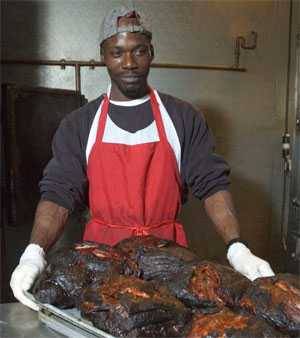
How Do I Serve Pulled Pork After Making This Smoked Pulled Pork Recipe?
There are so many wonderful ways to serve the results of this easy BBQ pulled pork recipe. It is marvelous just piled warm and steaming on a plate with no sauce. So many people make the mistake of dumping a bottle of sauce over the meat. Please don’t. The taste unadorned and unadulterated, hot from the smoker, is unmatched in the culinary world. It is the quintessence of porkdom. Serve it nekkid. Urge people to taste it nekkid. Then, if they wish, a splash sauce on the top is all.
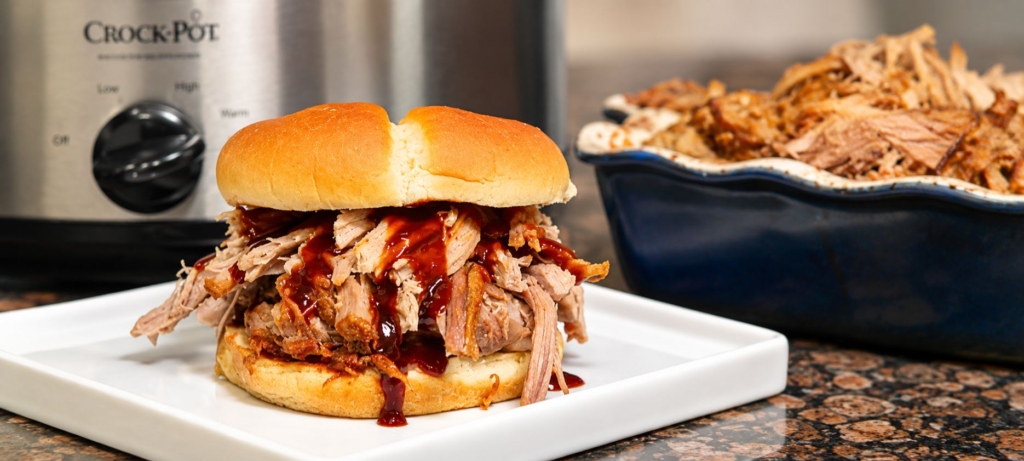
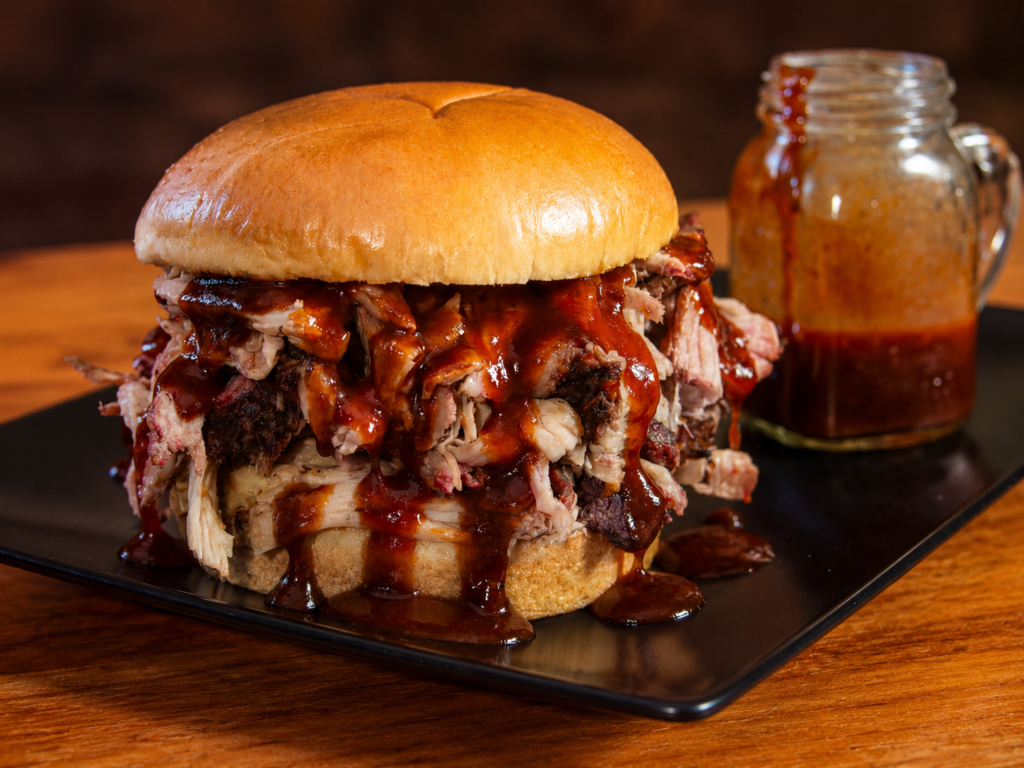
- The classic pulled pork sandwich. Mound it high on a nice bun. Top it with a small amount of your favorite sauce. Kansas City Classic sweet red sauce is always popular, but this is where the Carolina vinegar and pepper sauces really shine. They soak in nicely and, if you go easy, really compliment the flavor. Try my Lexington Dip or my East Carolina Vinegar BBQ mop and sauce. I also love the mustard sauces like my South Carolina Mustard Sauce but my favorite is my herbaceous Grownup Mustard Sauce. I like my pulled pork with chopped raw onion mixed in.
- My wife likes her onion grilled and on top. Sometimes we chop up raw apple and mix it in, too. Sometimes I slice the roast rather than pull it and douse it with a classic Texas sauce, which is thin and more like a gravy. It lets the meat flavor come through without masking it. I know folks who like to garnish it with sliced tomato, pickle chips, and a raw onion slice.
- Mound it on a bun with slaw. In many places in the South folks often crown a pulled pork sandwich with slaw (use my Creamy Deli Slaw). Quote from the book “John Willingham credited the now universal Memphis-are practice of serving cole slaw on barbecue sandwiches to Leonard’s in his 1996 book John Willingham’s World Champion Bar-B-Q stating that it was used to ‘stretch’ the meat one afternoon at Leonard’s when supplies ran low.” Meanwhile, barbecue champ and instructor Jack Waiboer of Charleston tops his slaw with dill pickle chips and thin sliced Vidalia onions, and calls it the “Carolina Crusher.”
- With melted cheese. Mark Stevens in NJ says he takes “A nice bit of pulled pork, a thin slice of onion, a slice of pepper jack cheese, a good glug of Hoboken Eddies Mean Green Roasted Pepper Sauce” and puts it all on buttered white bread. He then places the sandwich in a pie iron, butter side out, and cooks it over a fire until golden brown and the cheese is melted.
- Pulled Pork Reuben. Serve it on thick bread with sauerkraut, thousand island dressing, and melted Swiss cheese.
- Carnitas. Bill Martin, a friend in Texas, likes to cut smoked butt into 1/2-inch pieces and fry them in a pan with some of the fat that dripped off. When crisp they make wonderful carnitas tacos, he says.
- Rollups. Roll it in a tortilla with chopped onions, chopped tomatoes, jalapeño pepper, shredded cheese.
Cook Today, Serve Tomorrow, And Serving Leftover Pulled Pork
I often get asked what’s the best way to prepare my smoked pulled pork recipe on Saturday and serve it on Sunday. My answer is “don’t do it”. That’s called serving leftovers. Fresh meat is best. But it can be done.
These meats are best fresh off the smoker. If you have to serve it at noon on Sunday, the best method is to get up in the middle of the night and start cooking in the wee hours. If you need to take it to a game, then wrap the hot meat in foil and blankets and put it in a beer cooler and you can keep it warm that way for about two hours (read my article on faux Cambros).
But if you cook it Saturday to serve Sunday, click here for tips on how to pull it off.
Smoked pulled pork the following day is best when you reheat it in the microwave a small amount at a time. But it will be a bit drier and tougher than the first day, so bring back some life with a splash of water, apple juice, or barbecue sauce. The best method is in the microwave, second best is to heat it slowly in a pot with the lid on.
If you have leftovers from this easy BBQ pulled pork recipe that you will not scarf down in a few days, mix the leftovers with a bit of barbecue sauce, and freeze them in measured portions in zipper bags. The sauce prevents freezer burn. Pop one in the microwave and you’ve got a great emergency meal for two.
Here are some other things to do with leftovers.
- Tacos or enchiladas. Buzz in Wisconsin says: “leftovers are made into tacos and enchiladas”. I have been known to make tacos with slaw and bits of corn chips along with the leftovers from my BBQ pulled pork recipe.
- Taquitos. Mark Thomas Corn uses “tortillas, red onion, cilantro. Thin pieces of leftover pork make great taquitos. All those ingredients compliment each other perfectly.”
- Nachos. Try adding pulled pork to nachos.
- Carnitas. Melt some bacon fat or pork fat or fat from the drippings when you smoked the butt in a large pot or pan, add some onions, garlic, bayleaf, oregano, and cook them over low heat for a few minutes. Take the pulled pork and add it and turn up the heat and fry until crisp. Serve on tortillas or straight from the pot.
- With scrambled eggs. Duane Daugherty says that after preparing the BBQ pulled pork recipe, “I make a pineapple-habanero hot sauce, and I love to use it with leftover pulled pork, mixed with scrambled eggs and my sauce, in a flour tortilla for breakfast.”
- Egg muffins. Trace D Hillman says “I made egg muffins. Beat eggs, a little milk, salt cheese, leftover pulled pork, bake in muffin tins for 20 minutes at 400°F (204°C).”
- BBQ Eggs Benedict. Dan Allatt makes “BBQ eggs Benny! Some English muffins, pulled pork, poached eggs and hollandaise with a little BBQ sauce, cumin, mustard powder, and ancho chile powder.”
- Poppers. I love to make a killer app with pulled pork: jalapeño poppers. Split jalapeño peppers in half, scoop out the seeds and hot ribs with a spoon, and chop off the stems. Mix 1 part leftover pork with sauce and 2 parts fresh chèvre or another cream cheese, and fill the peppers. Grill over a medium-low heat until the cheese is soft, and the peppers begin to char.
- Hash. In South Carolina, people often use leftover pulled pork to make “hash”. The recipe varies from place to place, but it is typically a stew of pulled pork, pork liver, onion, and mustard sauce, served over white rice. Sounds plebeian, but I think it’s ambrosia.
- Dirty rice. Another nice dish using meat form this BBQ pulled pork recipe is in Louisiana Dirty Rice. Classic Dirty Rice is white rice mixed with cooked chicken livers and giblets and the “holy trinity”, which is sautéd green pepper, onion, and celery. But you can substitute or add pulled pork and amp it up.
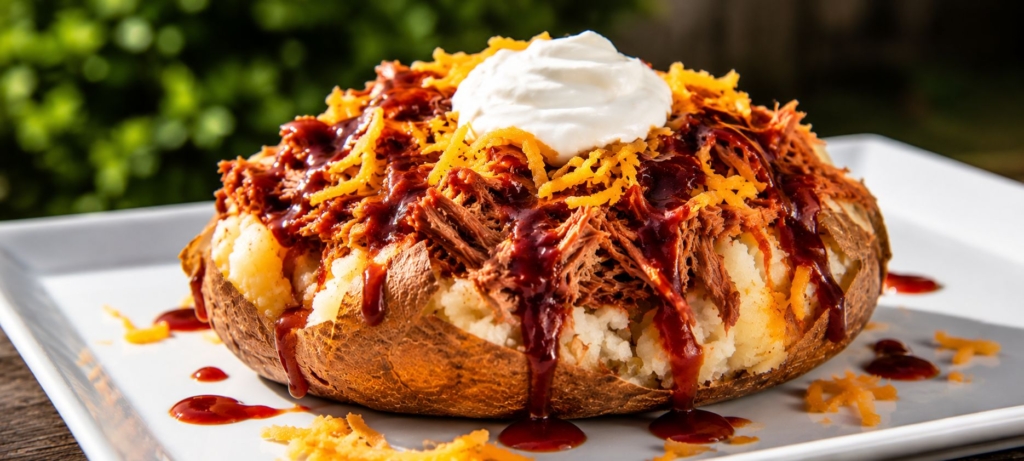
- Load a baked potato. Here’s something fun: Plop some on top of a baked potato.
- Bistro salad. Kelly Abbott in San Diego takes leftovers from the smoked pulled pork recipe and stir fries it a bit til it is crunchy and makes a “bistro salad” with a poached egg.
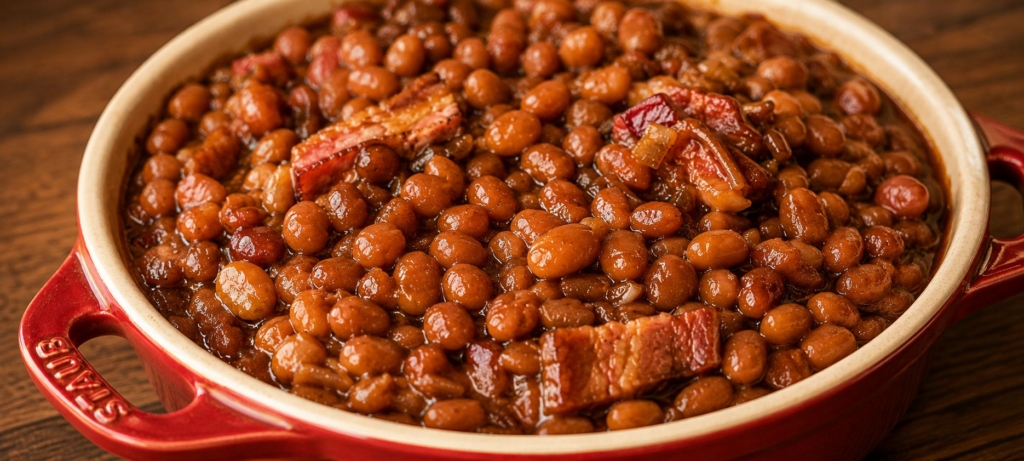
- Brunswick stew. Joe Wells in Arkansas says he puts the leftovers in “Brunswick stew, baked beans, mixed with scrambled eggs, hash, the list goes on and on.”
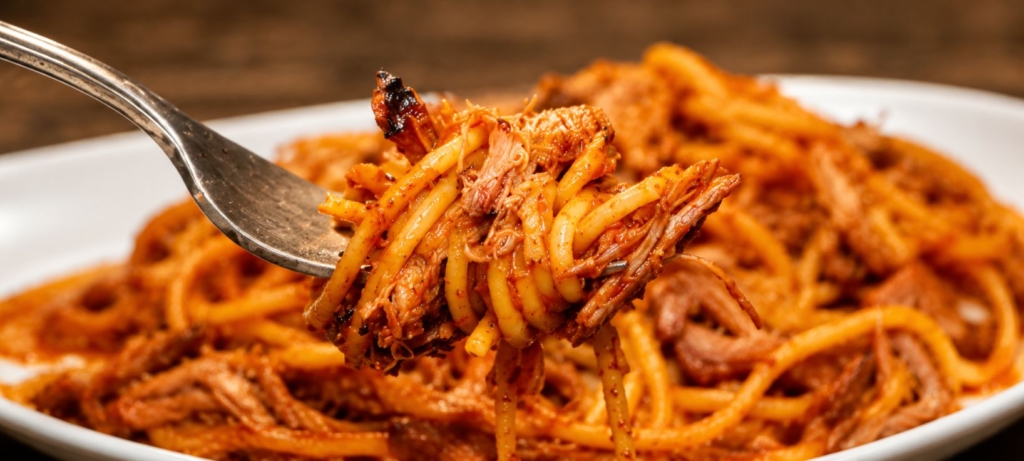
- BBQ spaghetti. Sandra Aylor of Memphis says: “With the leftovers, I like BBQ spaghetti or BBQ pizza”. BBQ spaghetti is big in Memphis.
- Pizza. Put it on a pizza with fresh chèvre.
- Raviolis. Delaney Boling says “I’ve done raviolis before that turned out pretty great. Make a simple pasta dough and then prepare each ravioli with about 1 teaspoon of pulled pork mixed with a bit of mozzarella and some fresh chopped chives. Drop them into simmering water for about 7 minutes (or until the pasta is al dente). Meanwhile, whisk 2 parts BBQ sauce with 1 part cream and one part butter over low heat until fully incorporated. I call this bit of deliciousness beurre ‘que and then spoon over the raviolis when plating. For some extra goodness, finely chop some of the pulled pork to incorporate into the sauce. Salud!”
- Hash. Gerry Curry of Nova Scotia says: “For leftovers from my smoked pulled pork recipe, I love it hashed for breakfast.” Bill Martin likes to make a variation on hash by frying chopped pulled pork, chopped onion, minced chili peppers, and Tater Tots. He then tops this with poached or sunny side up eggs.
- Sausages. Marshall Rothman says: “Chop some red onions finely and mix with pulled pork and mix in bowl with some of your favorite bbq sauce add chopped hamburger dill pickles. Get some sausage casing ready and fill with the mixture and tie off links. A quick run on the grill and you have BBQ to throw on the grill for a quick fix anytime. Go Gators!” Amen to the sausages and to the Go Gators!
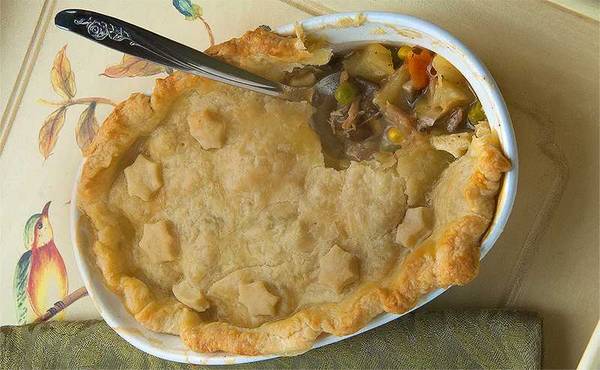
- Mac & Cheese pie. A reader named Jeanne makes a pie with a layer of collards, mac and cheese, and then the pulled pork between the crusts. Click here to see her recipe on her blog.
- Sliders. Scottlaw says “We use small dinner rolls, add pulled pork, 1 slice of ham, Jarlsberg cheese, a pickle, and some homemade garlic aioli sauce (1 cup mayo, 3 tablespoons of Dijon mustard, 5 roasted garlic minced). Delicious.”
- Grilled cheese sandwiches. Donald Warner puts it on “Grilled cheese with sourdough or rye, cheddar and jack, pulled pork, sliced pickles and chopped hots.”
- Potstickers. Craig Shields makes potstickers with his leftovers.
- Crab Rangoon. Robb Barrett says “Pulled Pork works great in crab rangoon. Also as Pulled Pork Benedict. With cheese and crackers. In baba ganoush. There’s no place where pulled pork DOESN’T work well.”
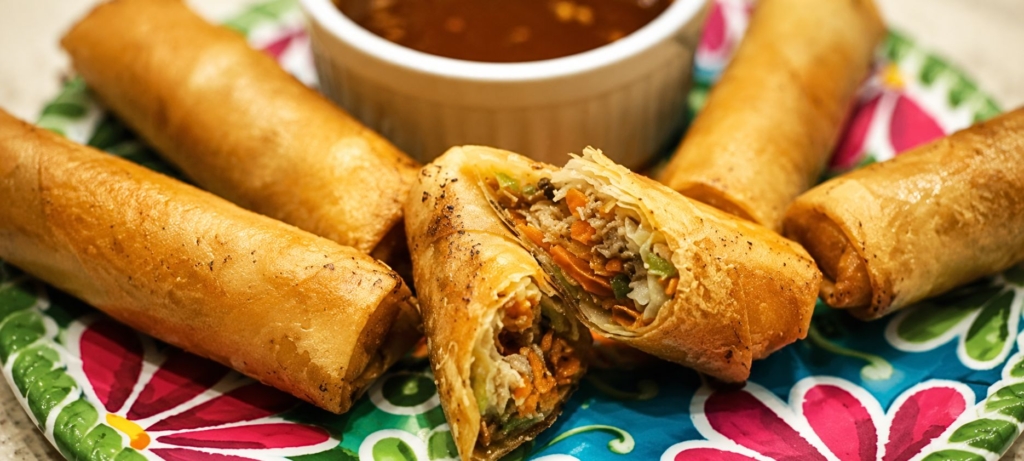
- Egg rolls. Jason Evers makes egg rolls with the leftovers. He mixes the pulled pork with coleslaw, wraps it up and fries them. Then he dips them in either peanut sauce or salsa verde. When you think of it, in the Carolinas pulled pork is usually topped with slaw, and egg rolls are usually pork with cabbage. Add the salsa and you have a real fusion of cuisines!
How The Champions Do It
For home cooks, the easiest thing to do is trim off excess fat and cook the Boston Butt whole. But competition cooks think the ne plus ultra in this tangled mass of muscles is what they call the money muscle, pork collar, or tiger muscle because it is striped. Technically it is the multifidus dorsi.
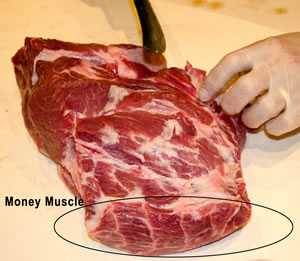
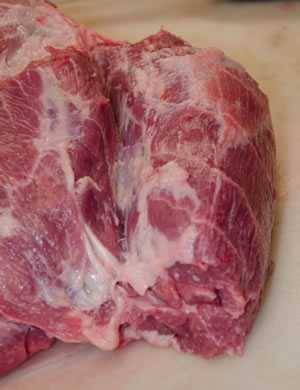
It is a tube shaped muscle that runs across the butt on the surface on the side opposite the blade bone. Competition cooks try to isolate it during the cook so it can brown all around. Rules forbid them from removing it altogether, so they leave it attached by as little as possible, as below.
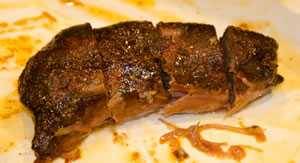
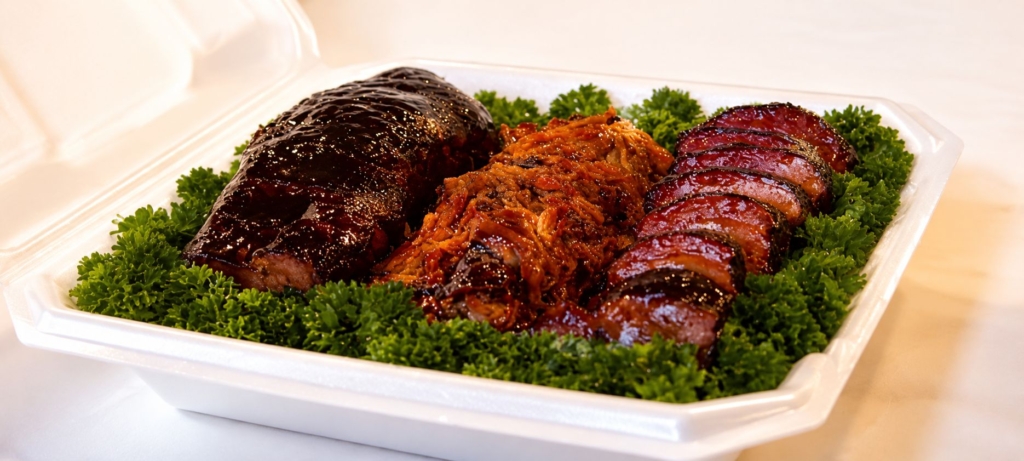
Here is a money muscle after the cook, removed from the rest of the butt, and sliced for presentation in a competition turn-in box, as cooked by Todd Johns of Plowboys Barbecue team. Notice that it is not pulled. Each slice is a succulent, juicy nugget with a crunchy crust, and it is the first thing the judges reach for. By the way, Johns, teaches excellent competition cooking classes (I have attended one).
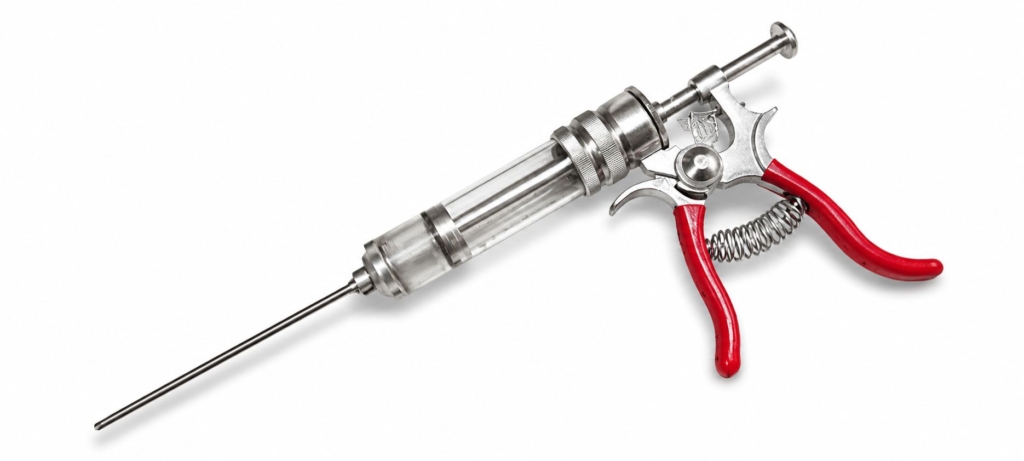
Nowadays, with prize money in the thousands, most of the competitors strive for every edge they can get and many of them inject their butts with a moisturizer/flavorizer/tenderizer like Butcher BBQ Pork Injection. I’ve used it a few times, and it works as advertised, but most of the time I don’t bother. Pork butt is usually tender enough, juicy enough, and tasty enough without the addition of hydrolyzed vegetable protein, MSG, sodium phosphate, yeast extract, and maltodextrin. But if your butt is in competition, you should test it. When preparing their BBQ pulled pork recipes, others will do something like mix about 4 tablespoons of their rub with 1 cup of warm apple juice and pump it deep into the meat. When I am judging, and the meat tastes more like apple juice than pork, I mark it down.
Once the meat hits 150 to 160°F (65° to 71°C), moisture moves to the surface and starts evaporating and cooling the meat like sweat on a marathon runner. As a result, the meat temp will not rise for as long as 5 hours when preparing this smoked pulled pork recipe. It stalls at 150 to 160°F (65° to 71°C). And it significantly lengthens the cook and drives people nuts. But this process helps dry the exterior and form bark.
Most competition cooks wrap their meat very tightly in a couple of layers of foil and toss in a few ounces of liquid such as apple juice. Then it goes back in the cooker. This stops the evaporation and powers the meat through the stall, retains moisture, and tenderizes a tiny bit. But it can really mess up your bark and remove a lot of rub. And it is really not necessary for this cut of meat. There is a lot of fat and connective tissue. And even though it will take longer without the crutch, it will still be very tender and juicy.
With my easy BBQ pulled pork recipe, I never bother with the crutch when cooking at home. Beginners should skip this step. The benefits are minimal and it just makes the whole process more complicated. You’ll still have killer meat. Focus on temperature control and fire management. Try wrapping in foil after you’ve done 2 or 3 butts. Click here to learn more about The Texas Crutch. Click here to learn more about The Stall.
You can also find an excellent competition pork butt recipe here.
About Butts
Some say that because, when trimmed, the butt is barrel shaped, and barrels were often called butts by English wine merchants. Others say that they are called butts because they were shipped in barrels. A reader has suggested that a butt is a name for a joint in woodworking, and the shoulder is a joint area. One can only speculate why it is often called the Boston butt, but my friends in New York have offered some unkind suggestions.
For my BBQ pulled pork recipe, I buy bone-in butts because the bone helps hold it together but the bone does not contribute to the flavor. This is a myth. People often tie boneless butts with string because they fall apart easily.
In North Carolina there is controversy, to put it mildly, over what part of the hog to use for pork sandwiches. In the eastern part of the state, most joints cook the whole hog, chop the meat, and mix it all together. They feel that the unique textures and flavors of the different muscles makes the meat more interesting. They love going to “pig pickins”, feasts where a hog is cooked, boned, chopped, doused with a spicy hot vinegary sauce, and displayed in its skin on a buffet so folks can pick the meat they want with tongs.
Inland and in the foothills of North Carolina, the preference is for shoulder meat and a sauce with a little tomato paste or ketchup mixed in. Frankly, I’m with them. Pork shoulder is the cut that is best for texture and flavor. Plus, it has the added benefit of being inexpensive, often under $2 per pound.
The Mysterious Gland
Hogs have a gland in their armpit just like you do. You don’t want to eat it. In most cases the glands have been removed at the slaughterhouse or fabricator, and sometimes even by your butcher. If not, don’t sweat it. When preparing this easy smoked pulled pork recipe, you can cook with it in there. They will not damage your meat. When it is done cooking and you shred the meat you want to remove the bone and any large chunks of fat and gristle, and if the gland is in there you will feel it, usually buried in some fat.
If you want to try and remove it when the meat is raw, good luck, it is hard to find. Lay the pork butt fat cap down and feel along on the side facing up near the center for hard spots about the size of marbles. If you find then, dig them out. I never bother. If they are in there, I find them when I shred the meat.
Want a new set of tools? Check out Meathead’s new book, The Meathead Method. It’s a toolbox that will elevate all your cooking. Alton Brown calls it “The only book on outdoor cookery you’ll ever need.”

Easy Barbecue Pulled Pork Recipe
Makes
About 4 pounds/1.8 kilograms pulled porkIngredients
Method
- Prep. Trim most of the fat from the exterior of the meat but not all of it. Leave no more than 1/4-inch (3mm). Some folks like to leave it all on hoping it will melt and baste the meat, but it cannot penetrate the meat! The goal is to season the meat not on the fat, allowing the meat to get a crunchy flavorful, seasoned bark. Note: Most of the butts I cook are 4 to 6 pounds (1.8 to 2.7 kg), pretty well trimmed, and tied with butcher's twine to keep them from falling apart. If yours is not already tied, hogtie it with kitchen string. Don't worry if it isn't fancy. You're going to throw out the string, so just rope it to keep the pork from falling apart.
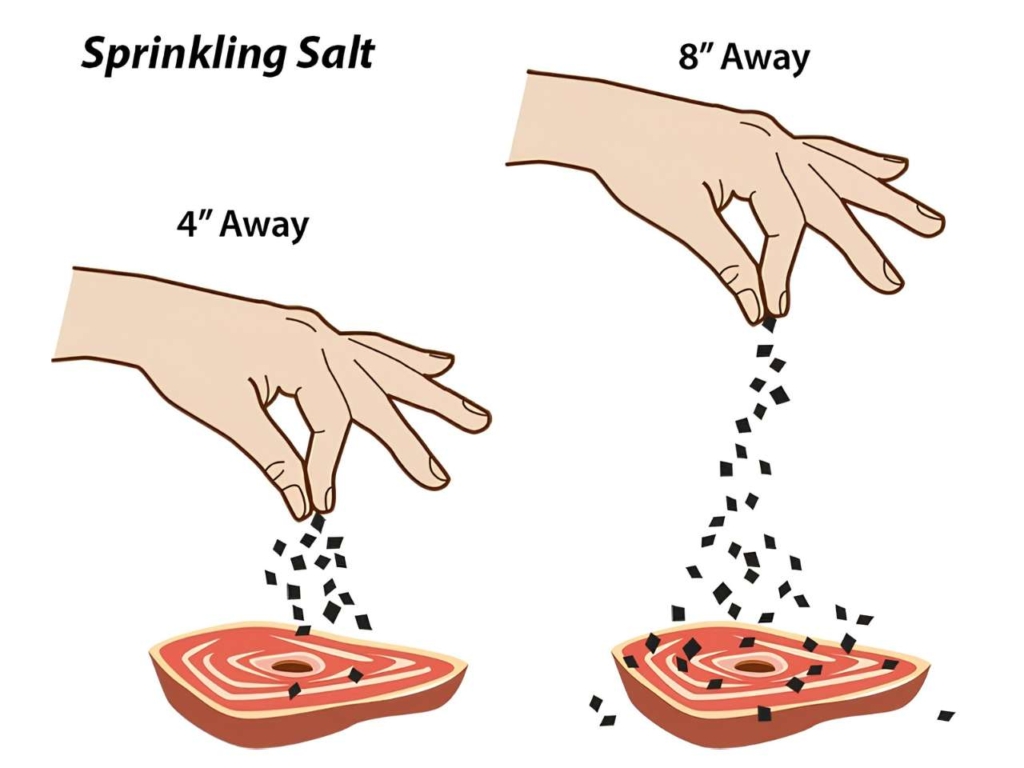
- Salt. If you have the time, season the pork butt all over with salt and refrigerate it for 12 to 24 hours before cooking. Called dry brining, this gives the salt a chance to start penetrating (note: if you dry brine and then season later with a rub, you must use a rub with no salt in it like Meathead's Memphis Dust). The spices will not penetrate,they are too large. But the salt does. Read my article on the science of rubs.
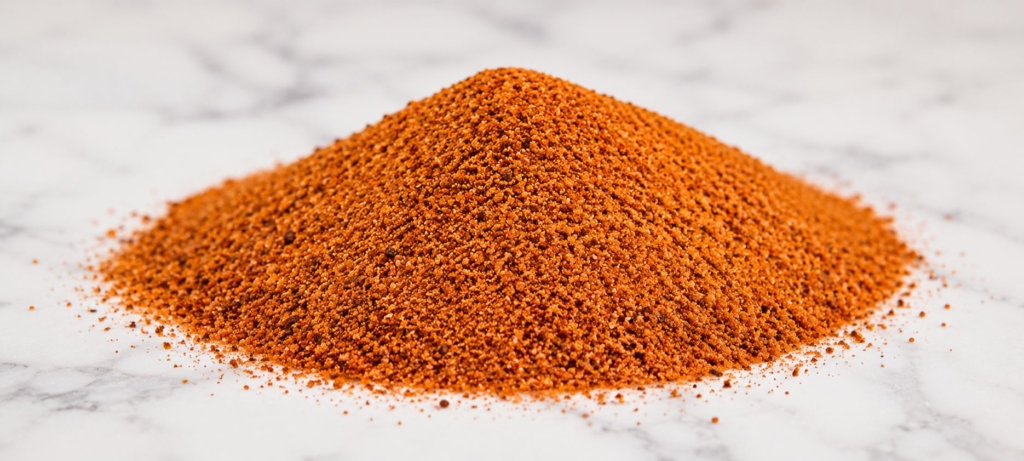
- Rub. Just before cooking, wet the surface lightly with water and sprinkle on the Meathead's Memphis Dust. The water helps the rub dissolve and adhere. Water dissolves the rub better than oil. Some folks like to slather it with yellow mustard. I don't think it makes much difference which you use, water or mustard. Bottled mustard is mostly water. If you want mustard flavor, use mustard powder. I've done them side by side and there are so many other flavors going on that the mustard gets lost. Marinating will not penetrate a big hunk very far, so don't bother. Read my article on marinating.
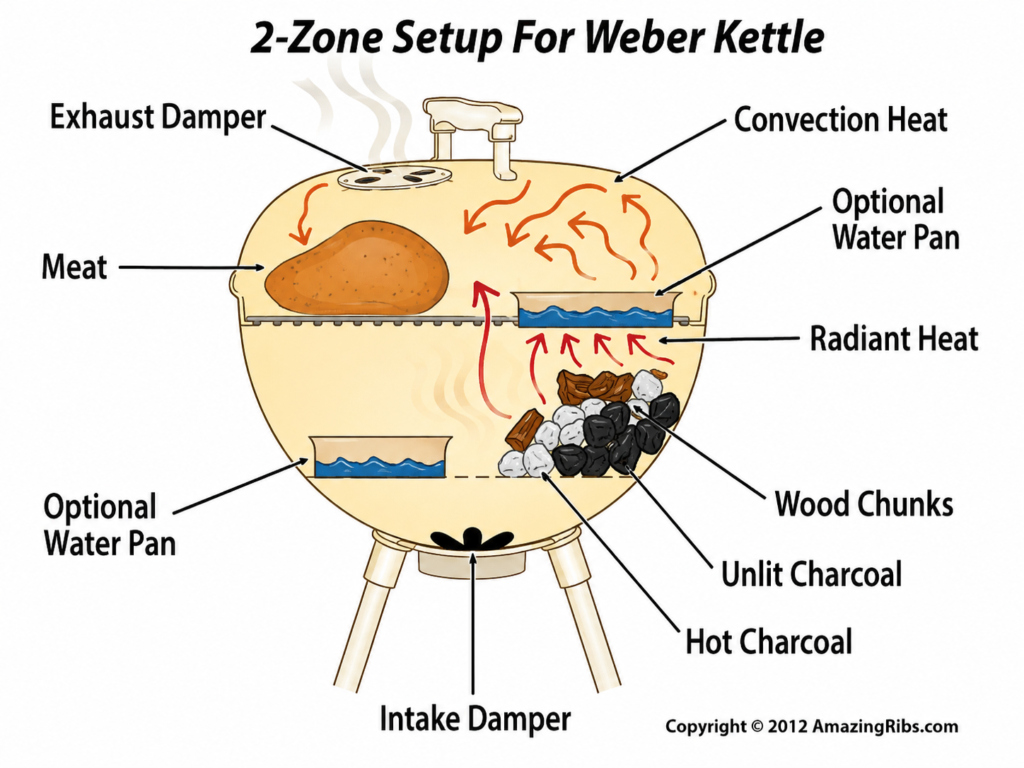
- Fire up. Prepare a smoker for cooking at about 225°F (107°C) or set up a grill for 2-zone or indirect smoke cooking (cooker setups are described in the technique section of this site) and adjust the vents to bring the temperature to approximately 225°F (107°C). add about 4 ounces (113 g) of dry wood chips, pellets, or chunks to the fire.
- Cook. Once the smoker or grill has come to temperature, insert the probe from a digital leave-in thermometer into the pork butt, positioning the tip right in the center. Make sure it is not within 1/2"(13mm) of the bone. This will allow you to monitor the internal temperature of the pork butt without opening the smoker or grill.
- Smoke. Put the meat on the smoker (or on the indirect heat side of a grill), right on the grate and not in a pan so that a flavorful bark can begin to form on the entire exterior. Allow the pork butt to smoke uninterrupted, but be sure to check your cooker every hour or so to make sure it is maintaining temperature of 225°F (107°C) to 250°F (121°C). Don't worry if the temperature temporarily goes up to 300°F (148°C), since pork butts are very forgiving, but try to keep it under 250°F (121°C). Add additional doses of wood sparingly during the first two hours, about 4 ounces (113 g) every 30 minutes. The key is to add a pleasant smoky flavor to the meat without overpowering it. After an hour or two the meat will not likely absorb much more wood flavor.
- The stall. If you are cooking at 225°F (107°C) to 250°F (121°C), when the meat hits about 150°F (65°C) internal temp, it will probably stall. The internal temperature may not go up for hours. That's because the moisture evaporating from the surface is cooling the meat at the same rate as the hot air is warming it, and the internal temperature stalls. You can just ride it out, or you can bust through the stall by cranking the heat to about 300°F (148°C) or by wrapping the meat tightly in foil. This is called the Texas Crutch. To learn more about the stall click here. But the beauty of the stall is that it forms the bark, the dry, flavorful, jerky like crust
- Continue cooking. When the pork butt hits an internal temperature of about 170°F (77°C), collagens, which are part of the connective tissues, begin to melt and turn to gelatin. The meat gets much more tender and juicy when this happens. Allow the pork butt to continue cooking past 170°F (77°C).
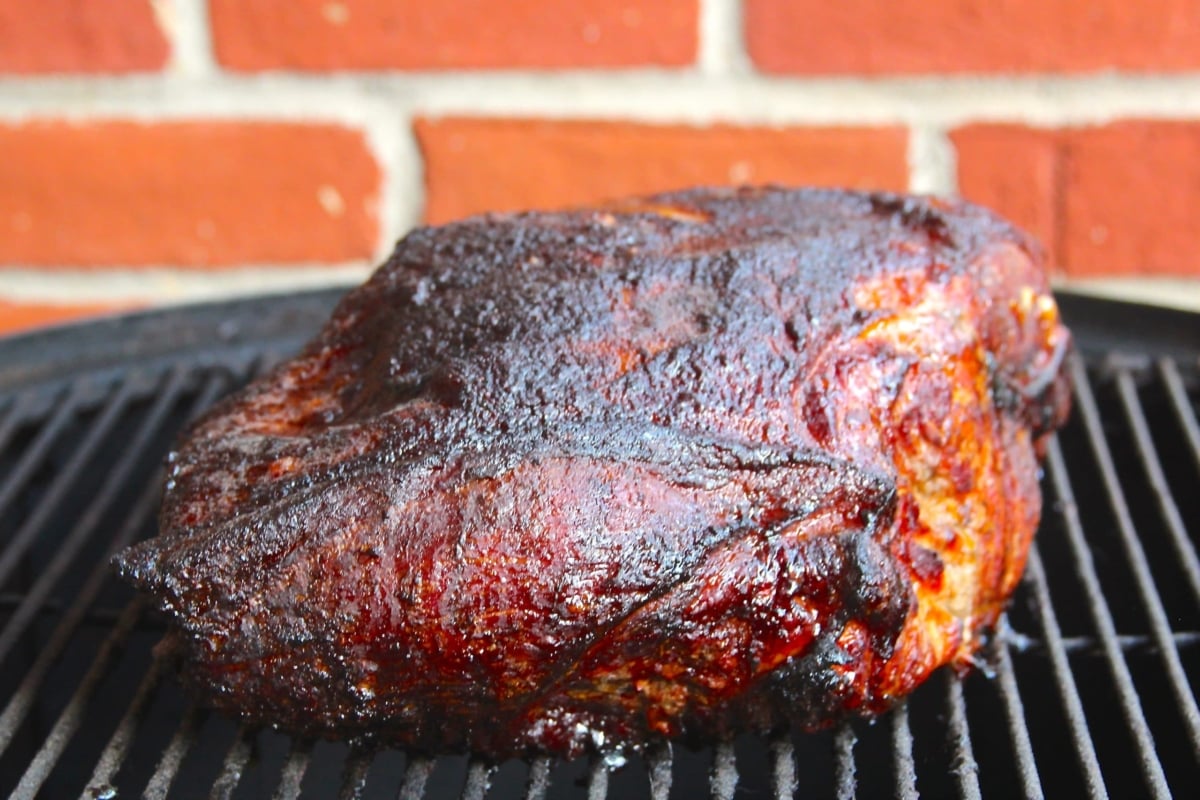
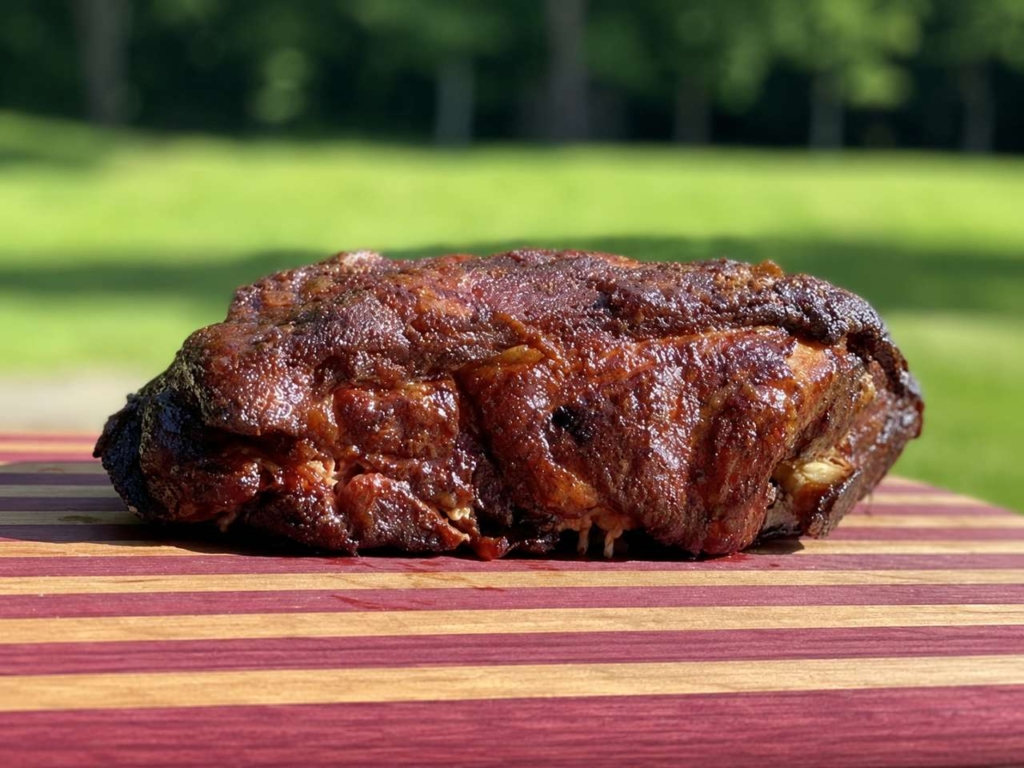
- Finishing. When the internal temperature hits 203°F (95°C) (a total of approximately 8 to 12 hours total cooking time) it's time to check if the pork butt is ready. The exterior should be dark brown. Some rubs and cookers will make the meat look black like a meteorite, but it is not burnt and it doesn't taste burnt. There may be glistening bits of melted fat. On a gas cooker, the meat may look shiny pink. If there is a bone, use a glove or paper towel to protect your fingers and wiggle the bone. If the bone turns easily and comes out of the meat, the collagens have melted and you are ready. If there is no bone, use the "stick a fork in it method." Insert a fork and try to rotate it 90 degrees. If it turns with very little pressure, you're ready. Keep in mind, these are animals not widgets and there can be variations depending on breed, diet, weight, your cooker design, and even ambient air temp. The meat is ready when it is ready. So it is really good advice to start 10 to 12 hours before dinner, and if it finishes early, wrap it and put it in a faux cambro or in your indoor oven at about 150°F (65°C).
- If the pork butt is not ready, close the lid and allow it to continue cooking. After, say, an hour, it is still not soft, you've just got a tough butt. Wrap tough butts in aluminum foil and let them go for another hour at 225°F (107°C). If you can't control the temp on your cooker, wrap the meat in heavy duty foil and move it indoors into a 225°F (107°C) oven. Do not add sauce while it is on the cooker. That comes after you pull it.
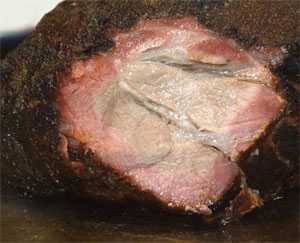
- Taste. When it is finally ready, sneak a small taste. You should notice a thick flavorful crust, and right below it is the telltale “smoke ring”, the bright pink color caused by smoke mixing with combustion gases and moisture.
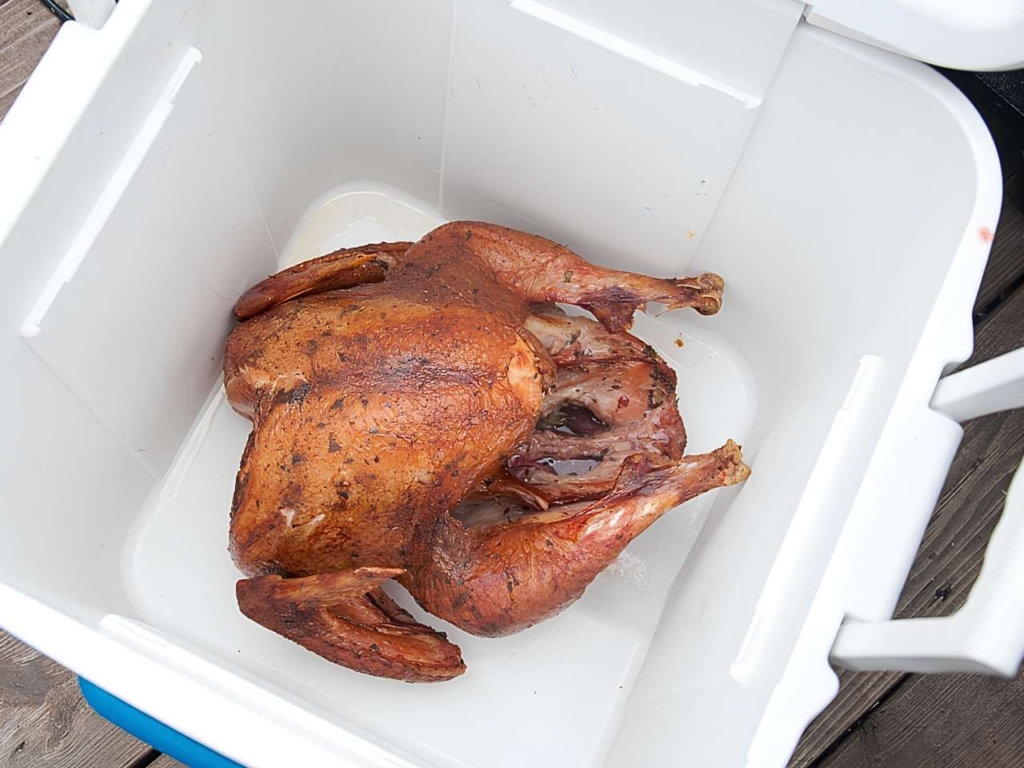
- Holding the meat (optional). If you are more than an hour from mealtime, you can leave the meat on the cooker with the heat off or put it in the indoor oven and hold it there by dialing the temp down to about 170°F (77°C). If you are more than 2 hours from mealtime, wrap it in foil to keep it from drying out and hold it at 170°F (77°C). If you are taking the meat to a party, use a faux cambro, which is simply a tight plastic beer cooler that can hold the meat. Leave the probe in the meat, wrap the hunk tightly in foil, wrap the foil with more towels, and put it the whole thing in the cooler. Fill up the cooler with more towels, blankets, or newspaper to keep the meat insulated. Hang the thermometer cord over the lid of the cooler, and close it tightly. Plug the cord into the readout and make sure the internal temperature of the meat never drops below 145°F (63°C). Serve it before it does. Just know that this wrapping technique will soften the bark and change the texture of the meat very slightly.
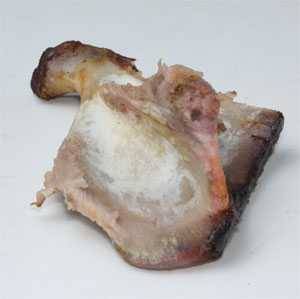
- Pull it. About 30 minutes before sitting down for dinner, put the meat into a large pan to catch drippings. If your butt came bone-in, the blade should slide right out and have virtually no meat attached if it was cooked properly.
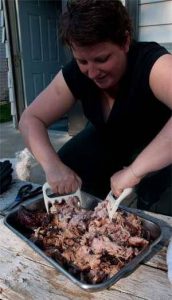
- Pull the pork butt apart with Claws, gloved hands, or forks. Discard big chunks of fat. If you wish, you can slice it or chop it like they do in North Carolina, but I think you lose less moisture by pulling it apart by hand since the meat separates into bundles of muscle fibers. Hence the name pulled pork. Try not to eat all the flavorful crusty bits when you are doing the pulling. Distribute them evenly throughout the meat instead. Make sure you save any flavorful drippings and pour them over the meat.

Before you can post a comment or question you must sign into our commenting partner, Disqus. This helps make sure everyone hanging around the grill is civil. We do not tolerate nastiness, racism, porn, inappropriate language, or attacks on others. All comments are the property of AmazingRibs.com and we reserve the right to quote them, edit them, delete them, and block people from making future comments.
Please leave comments and questions on the same page that is devoted to that subject so others can see questions and our answers when they are reading about the subject. You must enable JavaScript to use the comments section, and you must accept cookies to post comments. Note: the software that runs Disqus is different from the Pitmaster Club, so members need to sign into the Pitmaster Club separately.