Rubs, Spice Blends, Pastes, Marinades, and Brines
"Give a man a free hand and he'll run it all over you." Mae West
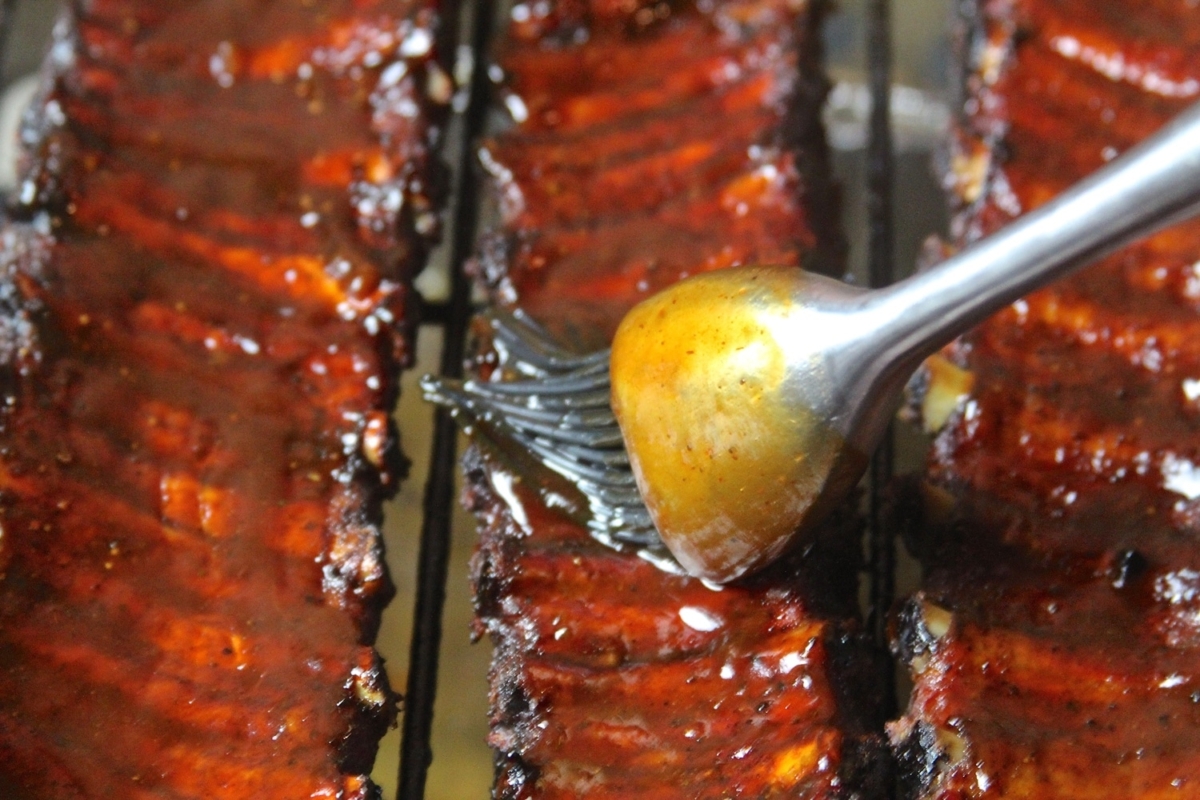
Some meats just don't need anything other than a little salt and pepper. A great steak comes to mind. Or a really fresh piece of swordfish. On the other hand, some meats love swimming in sauces. Like pork ribs. Other meats are not very flavorful on their own, and are a blank canvas that is easily painted with herbs, spices, and flavorful liquids.
There are several ways to amp up the flavors of foods before cooking:
Beware of double salt jeopardy!Rubs and spice blends are a great way to add flavor to meat. Rubs almost always contain salt because salt amps up flavor and helps form a crust (click here to read about The Zen of Salt). Brines are also a great way to add flavor as well as moisture (click here to read about The Zen of Brines). Meat that is labeled "enhanced" or "flavor enhanced" or "self-basting" or "basted" has been injected with a brine at the packing plant. Kosher meat has also been treated with salt at the plant. You can use a rub on brined or kosher meats, but beware of double salt jeopardy. A salty rub on top of brined or kosher meat can make it unbearably salty. If you use brined or kosher meat and then a rub, you should make your own rub and leave the salt out of the blend. Also, be aware that the drippings from a brined meat or a meat rubbed with a salty spice blend will probably not need salting, so if you make a gravy from drippings, be sure to taste before you add salt. Remember, you can always add salt, but you can't take it away. |
Seasoning
When chefs speak of seasoning a dish, they are not referring to adding herbs and spices. They are talking about salt and pepper. Period. And most chefs think that these two basic additives are absolutely positively essential. Salt is an excellent flavor enhancer because it actually opens up your taste buds and this really wakes up the flavor of meat and vegetables. If your diet requires low salt, go easy on it, but if you can handle a little, don't skip a little "Dalmatian rub", just plain salt and pepper, on almost anything. Click here to read more about salt and the different types of salt.
Dry rubs and spice blends: Use SSSS
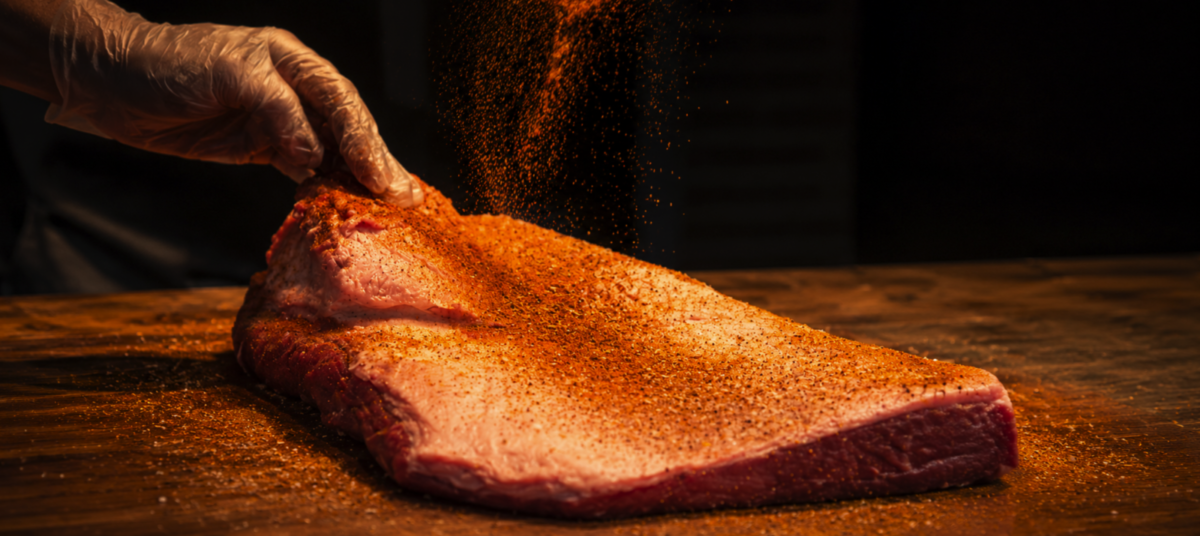
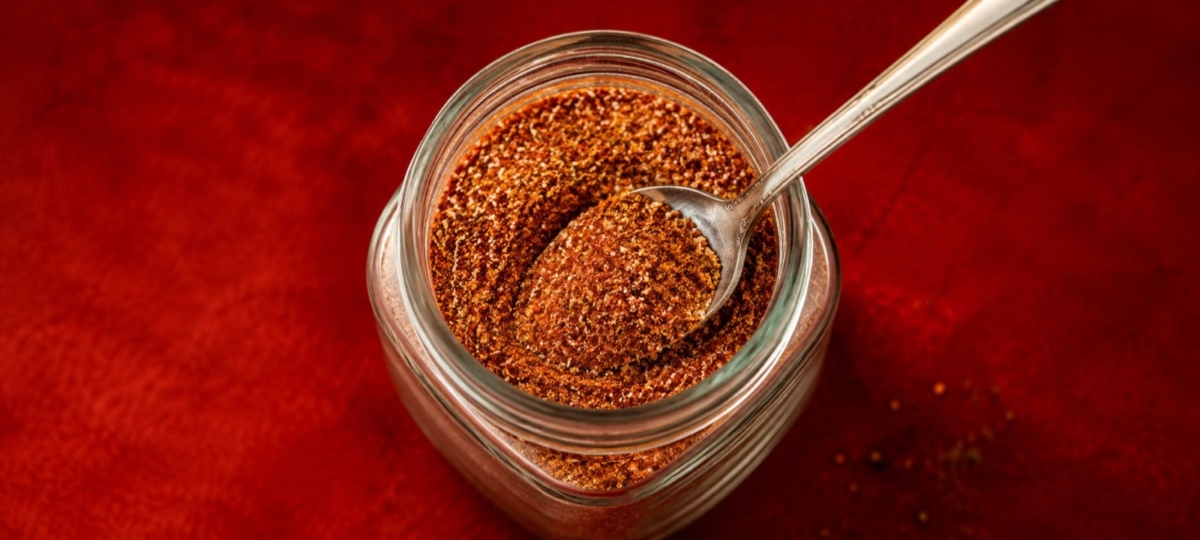
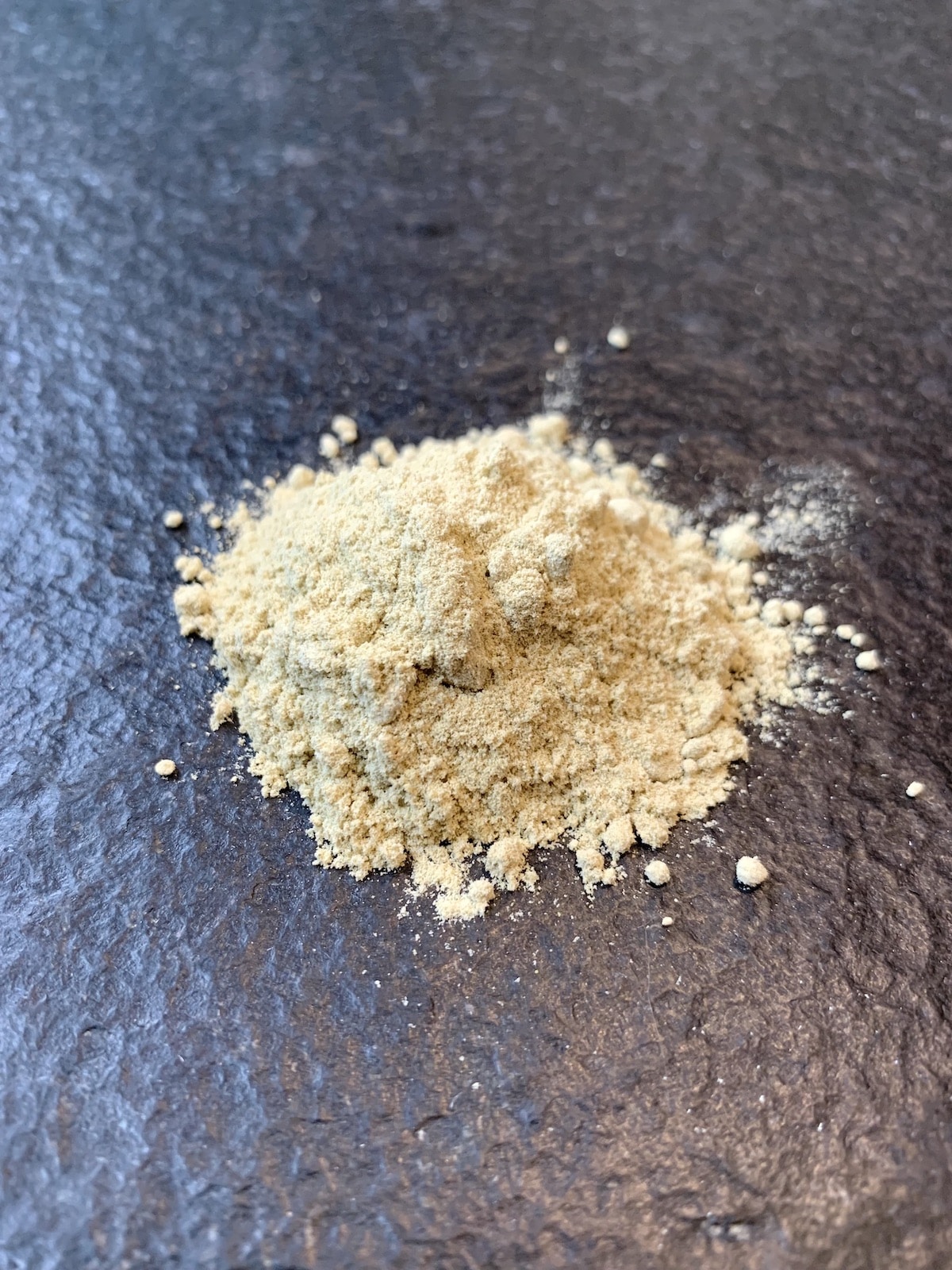
Dry rubs are a mix of spices and dried herbs and they are rubbed into the meat before cooking. They come in a wide range of flavors. There are barbecue rubs, chili powder (yes chili powder is a spice blend), curries, jerk seasoning, sate, Old Bay, and many more.
Rubs can be applied just before cooking, but if you have the time, leave them on overnight so they can penetrate. They don't go much more than 1/8" into most meats, but that's enough to make a difference. You can buy pre-mixed rubs, but they are easy to make yourself, and every good barbecue cook should have a signature house rub to brag on. Just steal my recipes. Then experiment with variations.
Dry rubs usually have the SSSS in them: Salt, sugar, savory, and spicy.
Salt. Salt is a flavor amplifier and it coerces proteins into holding moisture. The salt melts when it contacts meat juices and weird things happen with electrons, and it is sucked into the meat dragging with it the other spices. Salt can also help make the surface crusty, usually a desirable texture.
Sugar is a common addition because it is also a flavor enhancer and it helps with crust formation.
Savory. There is an herb named savory, and in common language we speak of savory as being a pleasant smell or taste, but in the culinary arts, savory flavors come from amino acids called glutamates, green herbs, some spices, garlic, and other flavorings.
Spicy. Hot pepper is often in rubs because it adds excitement, but go easy, not everyone likes it as hot as you do. Paprika is often included, not so much for flavor as for color. Black pepper is common, so is ground hot peppers such as cayenne or chipotle.
Find a rub recipe you like, make a big batch, and put it in a large spice shaker with a lid. If it clumps or cakes, you can do what waitresses in diners have been doing forever: Dry some rice in the oven or a pan and add it to the jar to absorb the moisture (special thanks to Mexico Don for the tip on drying the rice first).
Meathead's Memphis Dust. Memphis is second only to Kansas City as a town of barbecue renown. Many Memphians prefer their ribs "dry", with only a spice rub, so Memphis is justifiably known for rib rubs. A restaurant's gotta have confidence in its meat to serve it with spices only and no sauce. My Memphis Dust is the result of years of fiddling. Folks want me to bottle it and sell it. Nah. Not my style. You can have it for free.
Rendezvous-style Memphis Dry Rub. Perhaps the most revered dry ribs are served at Charlie Vergos' Rendezvous (called "The Vous" by the locals). There are a lot of recipes on the internet that the owners have palmed off on gullible media. They aren't close. I've reversed engineered the recipe, and my version is a LOT closer to the real deal than the red herring going 'round the net.
Big Bad Beef Rub. In Texas, the preferred barbecue meat is beef. That's why they're called cowboys, pahdner. Here's an authentic Texas rub for your brisket.
Mrs. O'Leary's Cow Crust. This is a different kind of spice rub for beef, especially beef roasts, flank steak, and chuck steaks. It's both a dry rub and a wet rub.
Simon and Garfunkel Rub. This is my favorite all purpose spice mix. I sprinkle it on chicken, turkey, pork chops, potatoes, asparagus, omelets, you name it. It can go on as a sprinkle or be mixed with oil as a paste. You'll love it.
Dolly's Lamb Rub & Paste. You can't make lamb without garlic and rosemary, can you?
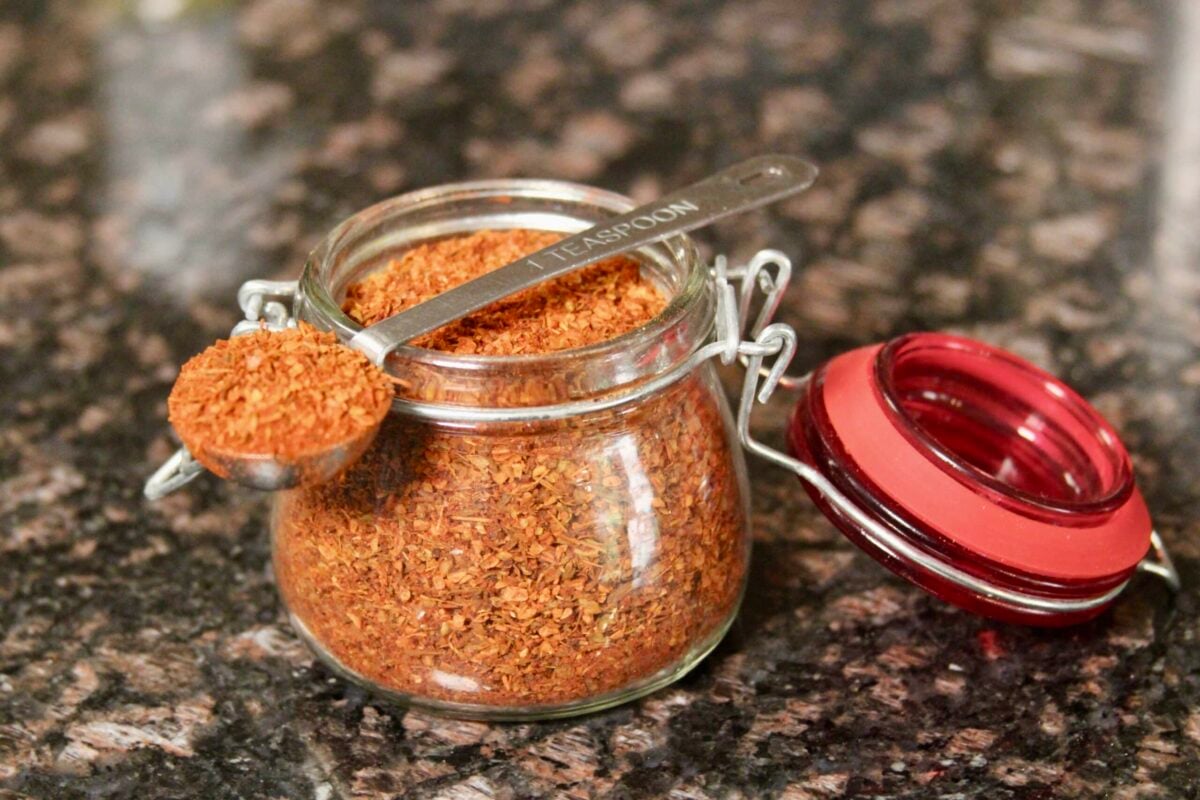
Signature Chili Powder. Chili powder is a blend of chile peppers and herbs and spices, and the actual blend can vary significantly from producer to producer. Originally developed to season chili con carne (chili with meat), a classic Texas cowboy chuck wagon trail stew, it is a handy spice to have for all kinds of cooking. The best chili powders have multiple layers of heat and complexity that come from different kinds of chiles. It is a great opportunity for you to make your own signature spice blend.
Seasoned Sea Salt. Our dining table is always set with a pepper mill, a table salt shaker, and a small bowl with this Seasoned Sea Salt. It is easy to make and the large grains really add a spark to potatoes, pastas, pizza, veggies, and just about everything else that needs salt.
Ras el Hanout, which is Arabic for "head of the shop", is a spice mix often used as a rub for meats, especially lamb and goat in North Africa and the Middle East. Every spice shop, every restaurant, every home has its own recipe, and it can contain dozens of ingredients. It is also used as an ingredient in sauces and marinades, and to flavor rice or cous cous. Some say it is an aphrodesiac. Let me know if it works for you.
Five Spice Powder. One of the specialty spices in many Asian dishes is Chinese five spice powder. It is a blend of cinnamon, cloves, star anise, fennel, and Szechwan peppercorns. Here's how to make your own.
Poultry Seasoning. An easy all-purpose spice mix for chicken, turkey, and even pork (pigs can fly, can't they?). They sell it in bottles, but you can make it yourself easily, and modify the ingredients to your taste.
Pickling Spices. A versatile spice mix with just about every seed on the spice rack thrown in. It is used for pickles of all sorts, from cucumber pickles to pickled eggs, even pickled pigs feet. It is perfect for home made corned beef. Foods are often simmered in pickling spices and water, suck as pork chops, sauerbraten, New England boiled dinner, and corned beef and cabbage.
Pastes, wet rubs, and slathers
Pastes come in two classes: Water based and oil based. Most are just dry rubs mixed with water or oil. They have the advantage of sticking better and can be layered on thick. If salt and sugar are important components, use water as a solvent. Water base slathers are often mixed with mustard, wine, stock, or just plain water. Oil won't dissolve salt and sugar as quickly as water, but many herbs and spices are not water soluble, and oil pulls out their flavors better. Oils are especially good at pulling flavor from fresh herbs. Oil has the added advantage of helping seal the surface of the meat, slightly reducing evaporation. It also helps keep food from sticking to the grates, and if oil-based pastes get hot enough, it can fry the surface, helping with bowning and really amping up the flavor.
Genovese Pesto. The Italian basil based classic is super all by itself on meats and as an additive to other sauces. Make a batch in summer and freeze it.
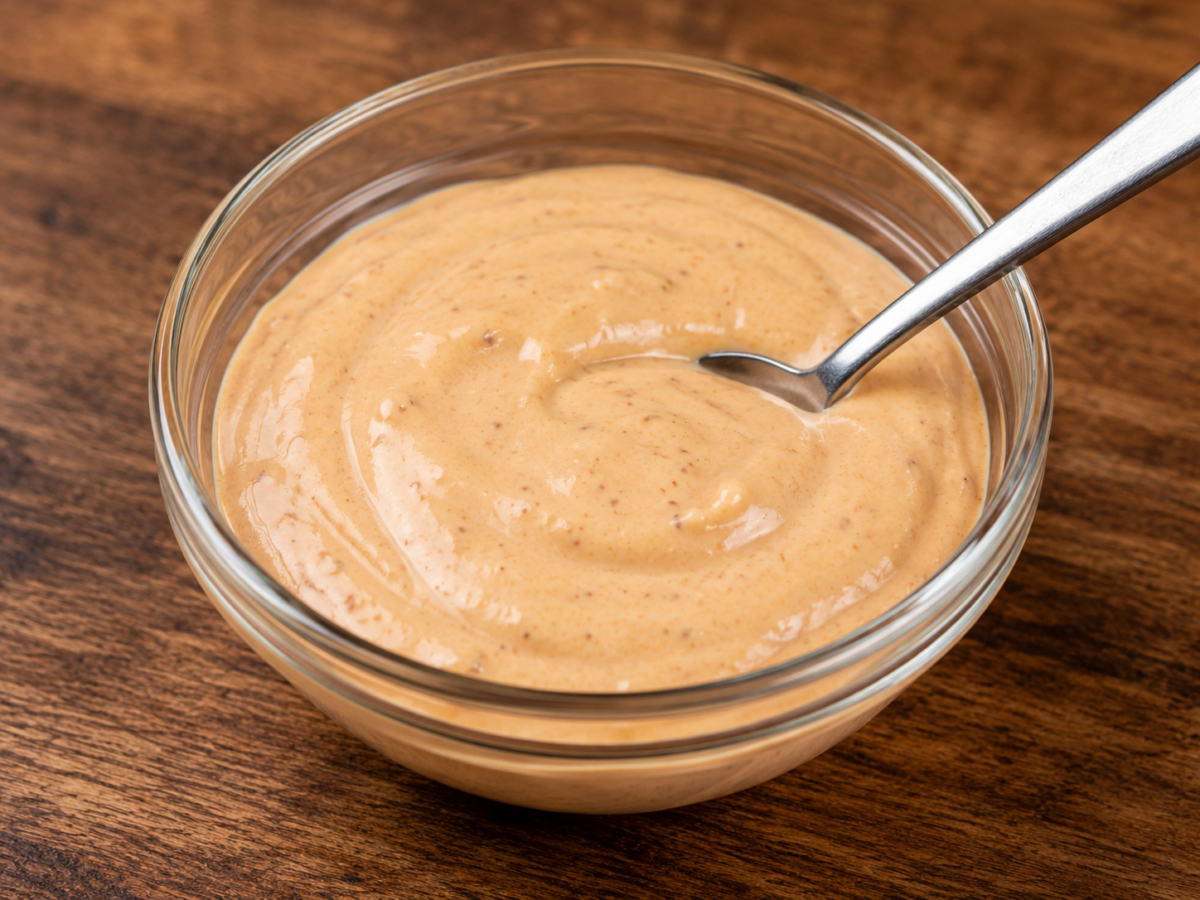
Mayo Mojo. Here's a spice blend you can keep in a jar and mix with mayo whenever you need it. Since mayo is oil based, it does a great job of extracting flavor from the spices. Use it in egg salad, deviled eggs, potato salad, or a sandwich spread. Now that's convenient.
Harissa. The best hot pepper paste going. Make up a batch, put it in the fridge, and add it to anything that needs heat.
Charmoula Herb Paste. Charmoula is an all-purpose North African herb paste used as a marinade, sauce, relish, dip, and spread. It can be used as a sauce for meat or couscous or pasta, or as a spread on pita bread, or as a marinade.
Marinades, Brines, Injections
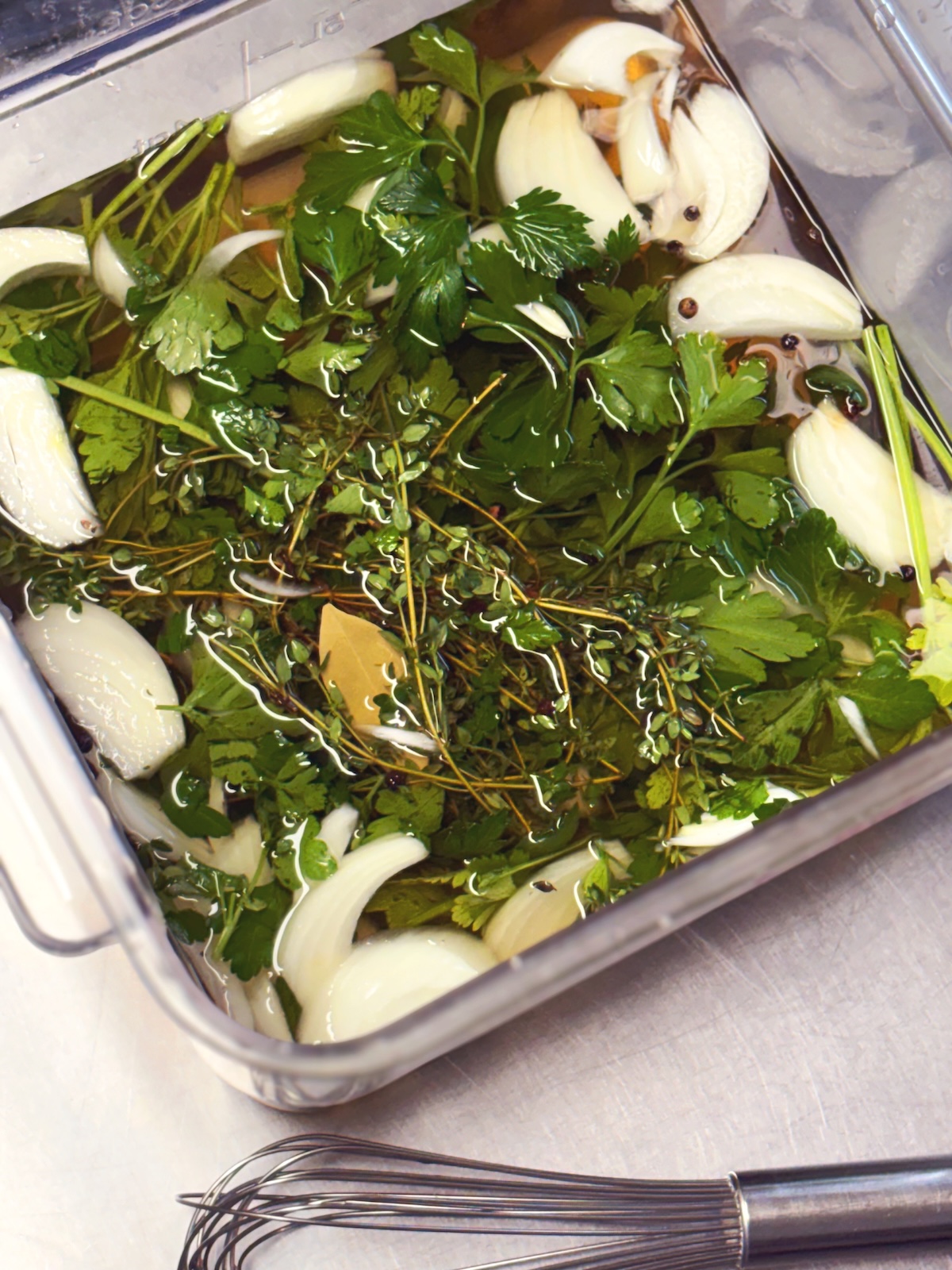
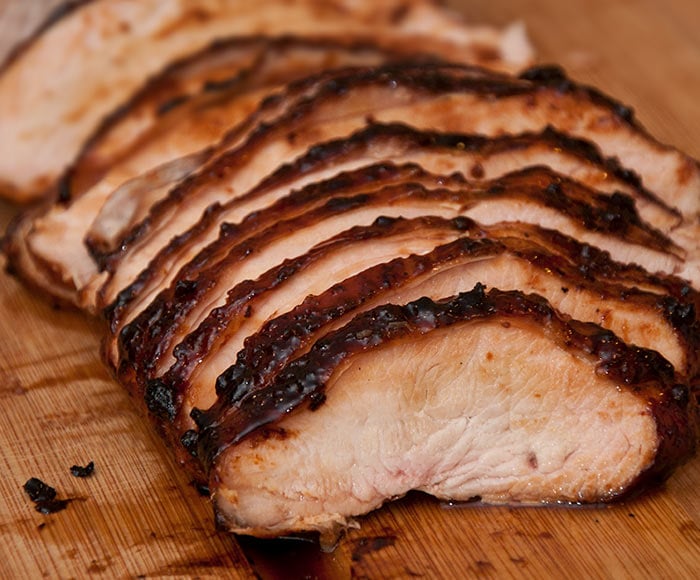
Wet brines. Brines are salt water solutions, often with sugar and other flavors added. They are primarily a technique for getting moisture into meat, but they can also add flavor, especially when you add spices, stocks, and bouillons to them. When meat is soaked in a salty liquid, chemistry happens.
Injections. Rubs, mops, and sauces can deliver a lot of flavor to the surface of meat, but if you want to get the flavor into meat, the solution is brining, marinating, and injecting. The problems with brining and marinating is that they take a lonnnng time to get the flavor deep into the meat, and some flavors never move more than 1/8" past the surface. But injecting is a sure fire way to get the flavor and juiciness down deep.
Dry brines. Dry brining is different from wet brining, where we submerge the food in a salt water solution of 5 to 10% salinity. It is different from injecting, where we pump the meat with a brine with a needle. With dry brining we simply salt the meat a few hours before cooking. Sounds simple, but something complex and wonderful happens.
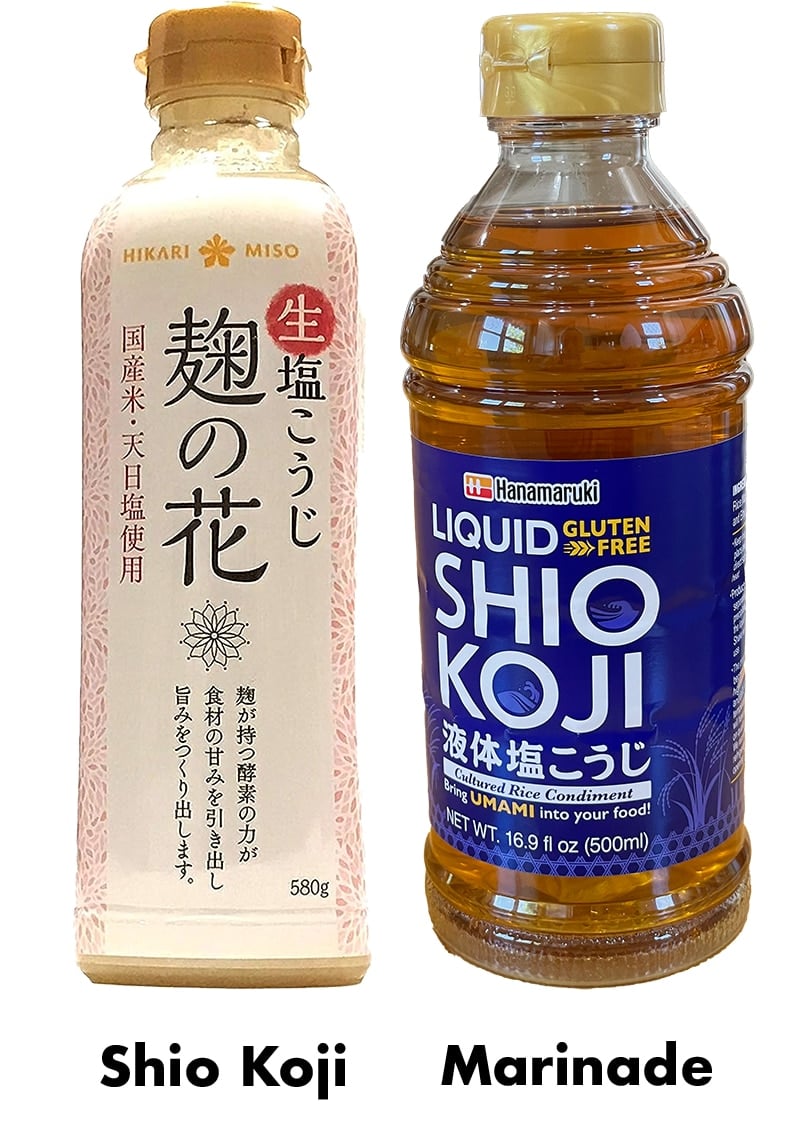
Marinades. Like brines, marinades are a liquid bath that penetrate meats. They are usually high acid, and often have oil in them. Most marinades do not tenderize, but some contain fresh pineapple juice or papaya juice which contain enzymes that can tenderize. Most vinaigrettes make great marinades because they contain oil, acid, and herbs and spices.
Ingredients
As background, read these articles, The Zen of Herbs & Spices, The Zen of Chiles, the Zen of Garlic, and The Zen of Salt.
...more to come (to be notified when new recipes and other articles come online, be sure to subscribe to my free, spam free, email newsletter).
About this website
AmazingRibs.com is all about the science of barbecue, grilling, and outdoor cooking, with great BBQ recipes and tips on technique. Learn how to set up your grills and smokers properly, the thermodynamics of what happens when heat hits meat, as well as hundreds of excellent tested recipes including all the classics: Baby back ribs, spareribs, pulled pork, beef brisket, burgers, chicken, smoked turkey, lamb, steaks, barbecue sauces, rubs, and side dishes, with the world's best buying guide to barbecue smokers, grills, and accessories, all edited by Meathead.
Advertising on this site
AmazingRibs.com is far the most popular barbecue website in the world and one of the 50 most popular food websites in the US according to comScore and Quantcast. Visitors and pageviews increase rapidly every year. Click here for analytics and advertising info.
| Weights, Measures, Conversions | Tips & Techniques | Recipes | Equipment Reviews | BBQ Culture & History |
| My Ingredients | BBQ Joints | About Us | Blog | Links | Newsletter | BBQ Tunes |
| Privacy Promise, Code of Ethics, Other Legal Terms | Advertising & Sponsorship Opportunities |


GrillGrates amplify heat, eliminate hot spots, and block flareups. This is the concept behind the expensive new infrared grills. A must add-on for all gas grills.


Please please please read this before posting a comment or question:
1) Please use the table of contents or the search box at the top of every page before you ask for help.
2) Please click the "Follow Conversation" button or the "Email" button below your comment so you will be alerted when we reply.
3) Please don't ask any questions that involve temperature unless you tell us that you are using a digital thermometer! Dial thermometers are often off by as much as 50°F! If you are not using a good digital you have no idea what the temp really is so we can't help you. Please read this article about thermometers, then buy one of our recommendations, and then, if the problem persists (chances are it won't), hit us with your questions.
4) Please tell us everything we need to know to answer your question like the type of cooker you are using.
5) If you are shopping for a grill or smoker and need help, tell us your budget!