
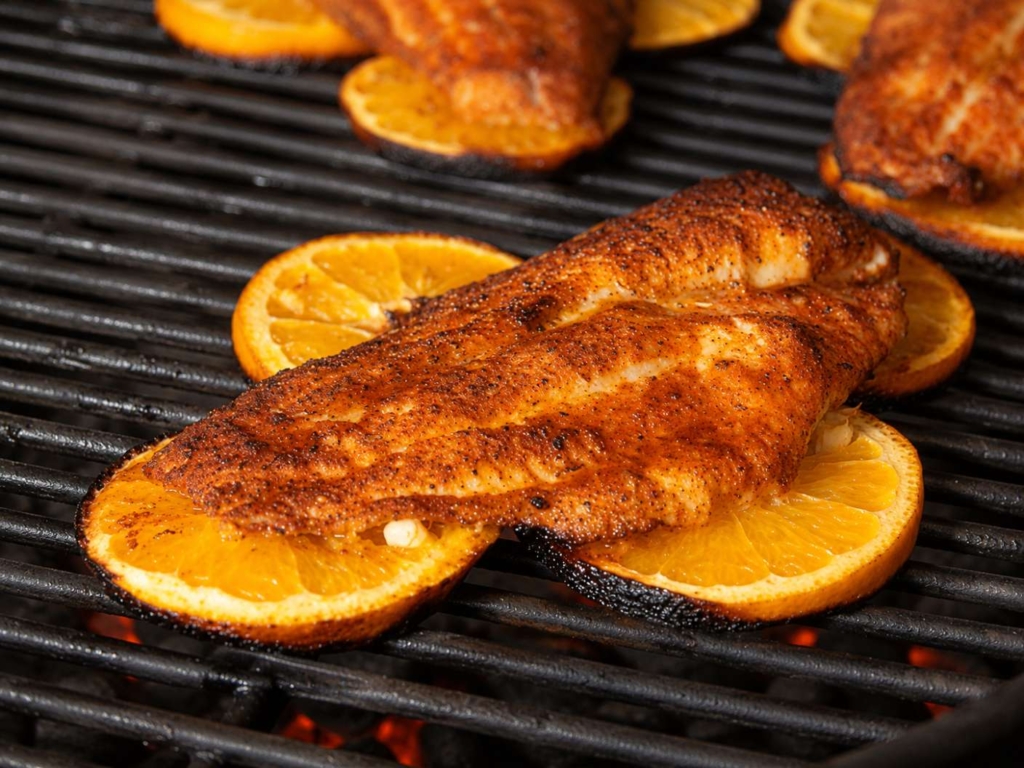
Try These Hot Tips & Techniques
"Nothing can teach you better about quality than attempting to produce it." Meathead
Good cooking needs more than good recipes. The best chefs have developed tricks and techniques that can make major differences in the outcome. Here are some of my favorite tips and tricks that make cooking easier, and the outcome better. I am publishing them here with this request: If you improve upon them or have suggestions, pass them back to me.
Setting up your grill and smoker
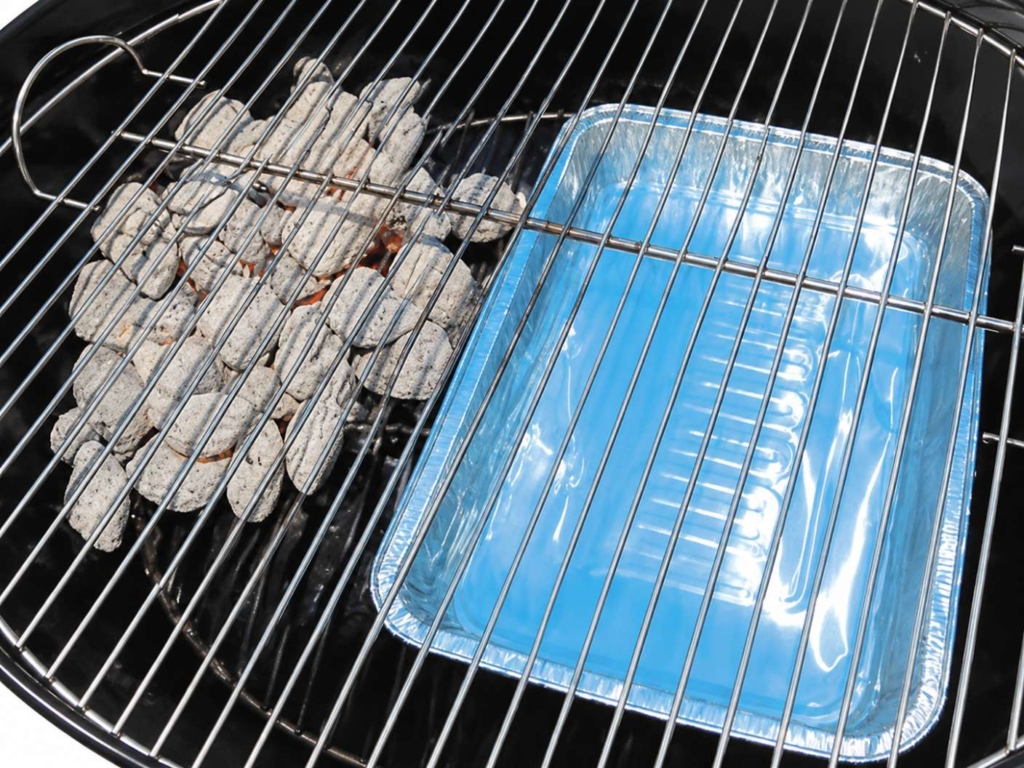
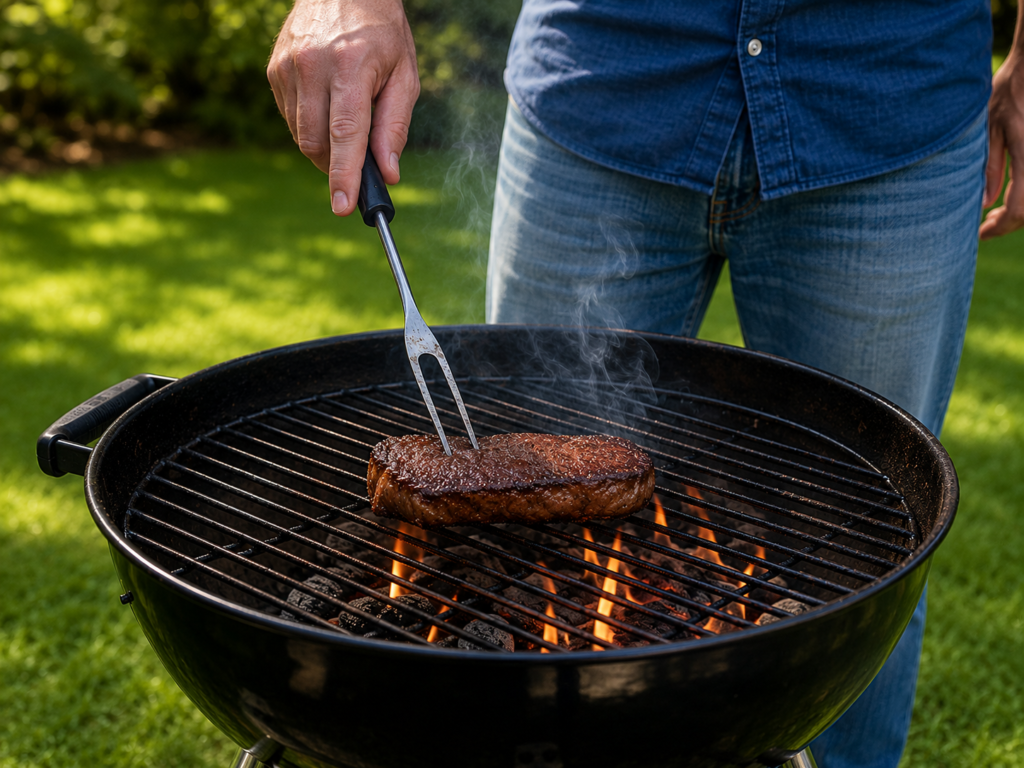
The importance of 2-zone and indirect cooking. The most important technique an outdoor cook needs to master is how to control the cooking temperature by using 2-zone and indirect heating. You need to control the temperature of your oven because the solids and liquids in the food react differently to different levels of heat.
Calibrating And Seasoning Your Grill And Smoker. The first step to becoming a great outdoor cook is to master your instrument, and the best way to do this is to calibrate it with dry runs. No food needed. When you are done with these dry runs, you want to know what to do when a recipe calls for cooking at 225°F or 325°F on the indirect side of the 2-zones and 425°F on the direct side.
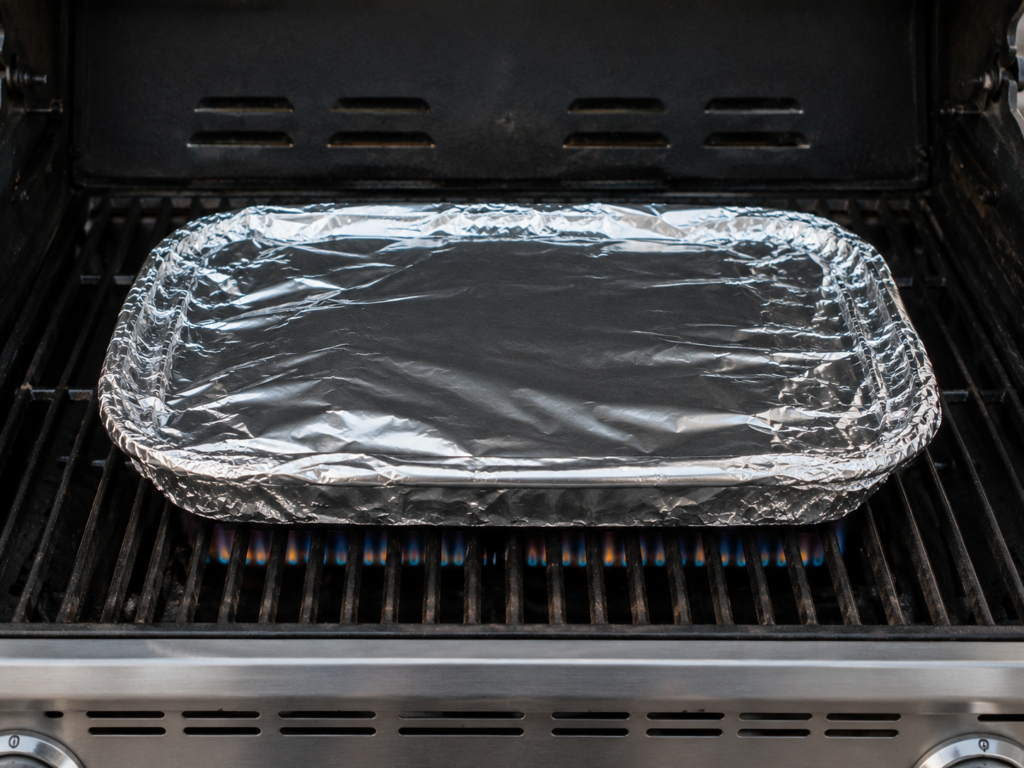
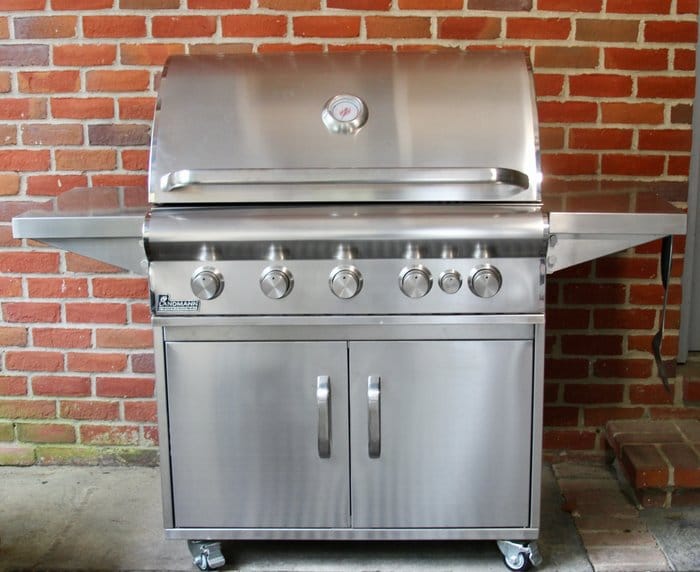
Best setup for a gas grill. Yes, you can get real smoky, authentic tasting barbecue on a gas grill. Here's how.
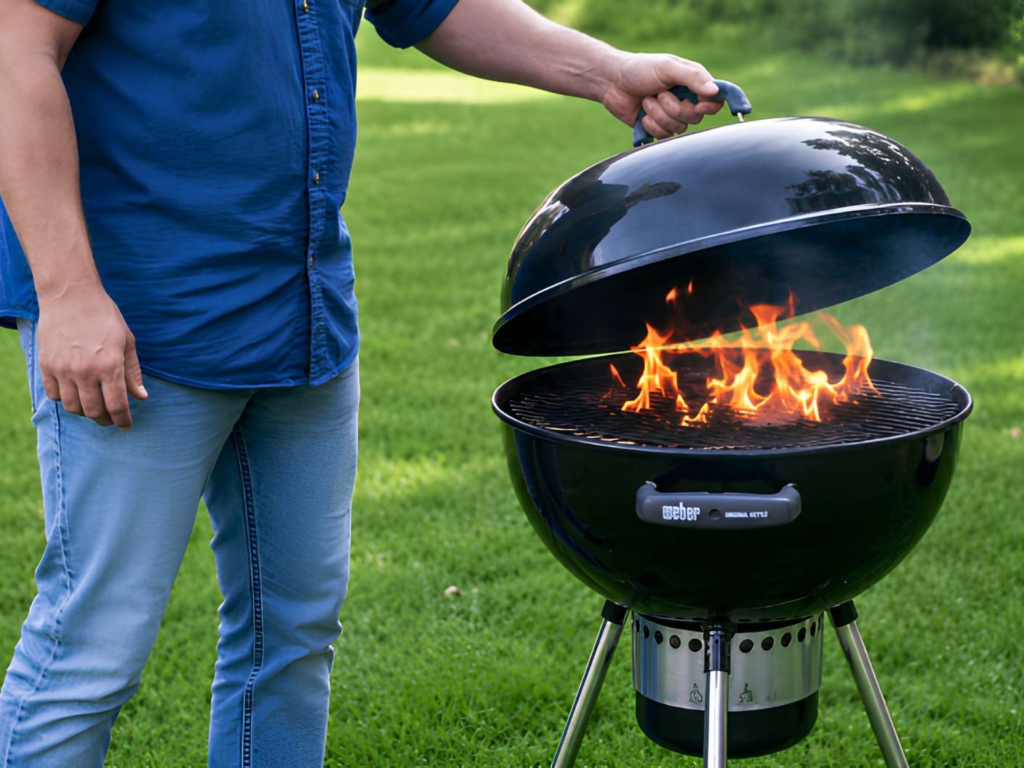
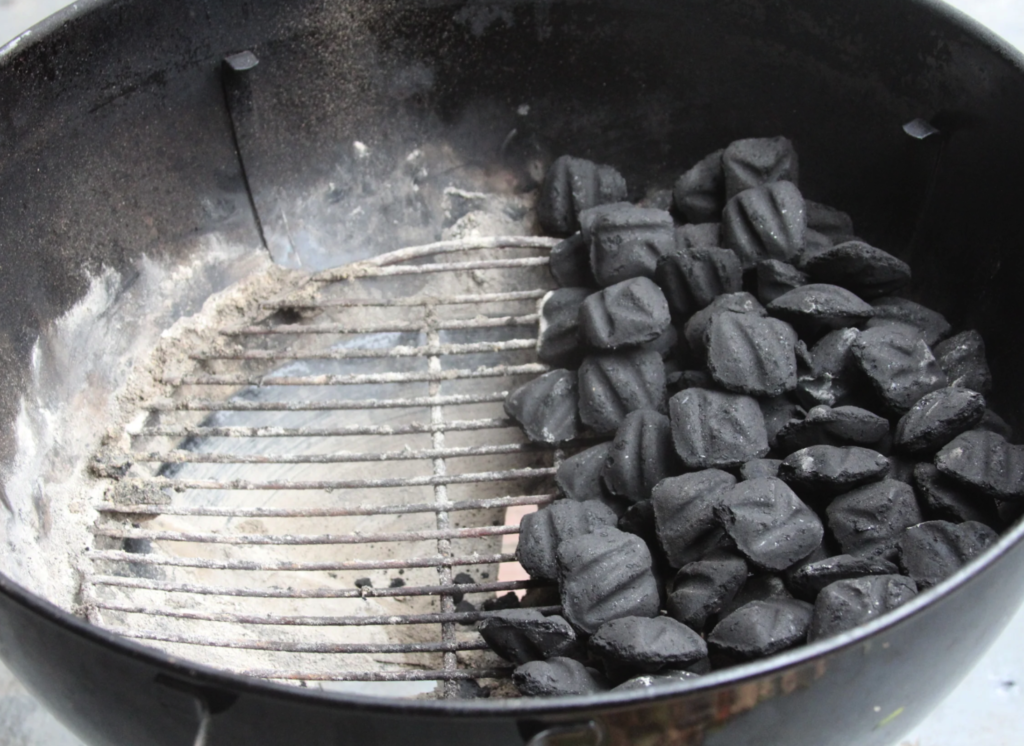
Best setup for a charcoal grill. Forget what the Weber folks say. Here's the best way to set up a charcoal grill for real barbecue.
Best setup for an offset smoker (and modifications you can make). These popular smokers have some problems that can ruin your meal. Overcome them and you'll love the output. This article has tips for setting up a COS as well as hot to modify it.
Best setup for a Weber Smokey Mountain and other charcoal bullet smokers. The WSM is one of the best backyard cookers available and the Brinkmann Bullet is another popular unit. Here's how to ignore the manual and set them up right.
Starting A Charcoal Fire. There is one best way and one worst way.
Controlling Temperature By Controlling Vents. Here's how to use the two vents to control temperature in a charcoal or wood grill or smoker.
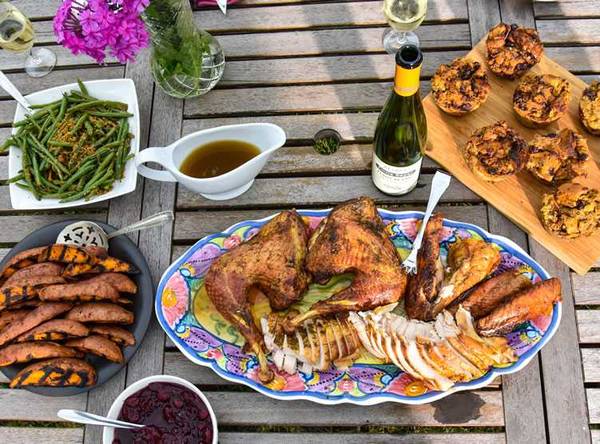
Lid on or off? Sometimes you want the lid on, sometimes you want it off.
Smokenator Setup & Tips. The Smokenator may be the best accessory for the Weber Kettle ever, making it a very effective smoker, but there are some things I strongly disagree with in the Smokenator manual. Here are my tips for success.
What goes in the water pan. Some smokers have water pans, on others you can add one. Some folks say you should add sand to the pan. Others add wine, beer, whatever. Let's talk about this.
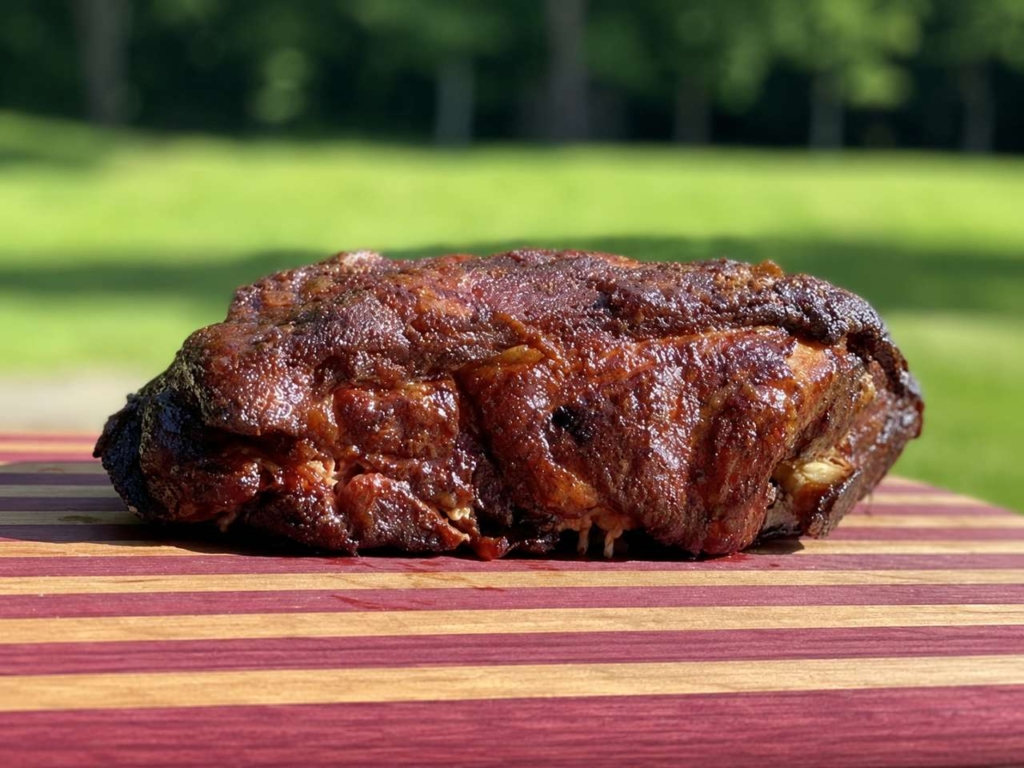
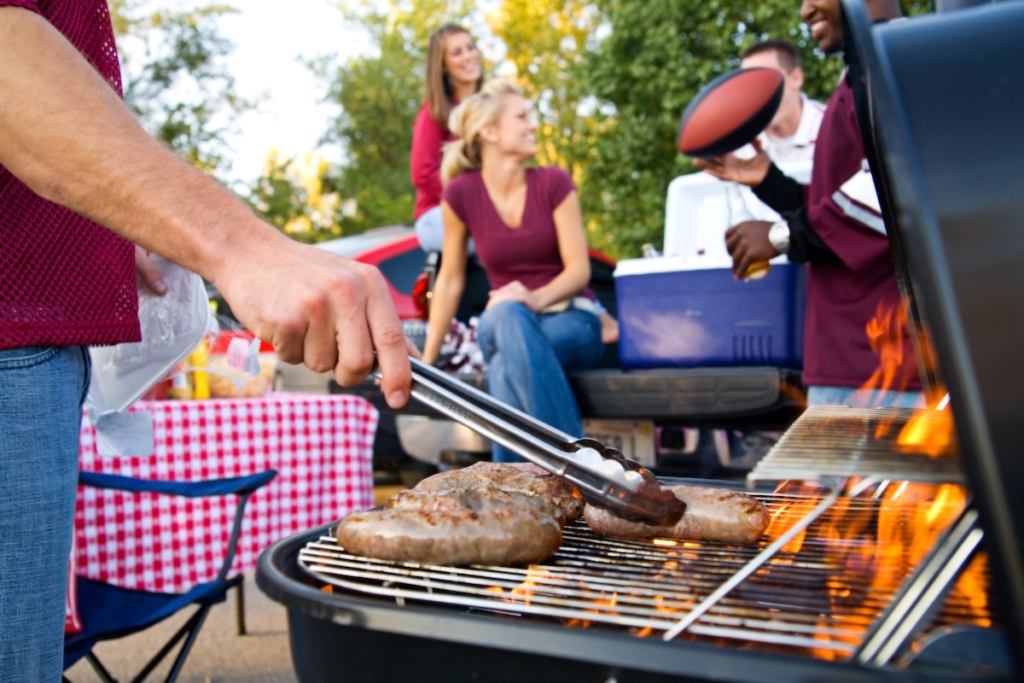
Tailgating & Camping Checklist. What to bring to the game and when you go camping.
Important stuff for all cooks
The thermodynamics of barbecue. You may have thought you left physics and chemistry behind when you left school, but if you want to eat well, you need to understand that cooking is all about physics and chemistry, with a little magic mixed in. Here are some broad concepts every outdoor cook needs to know.
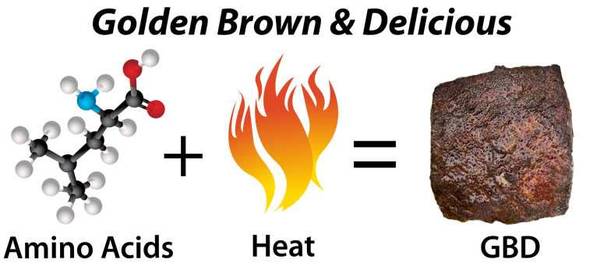
The Maillard reaction and caramelization. When heat is applied to food, the chemicals in the food change. A lot. Heat is powerful energy. Some changes are obvious, some subtle, some invisible. The most important of these changes are the Maillard reaction and caramelization. Together they make miracles. Together they make GBD: Golden Brown and Delicious.
What's the right cooking temp? When to cook hot and fast, when to cook low and slow, and when to cook both (reverse sear). Not all food should be cooked at the same temperature. Sometimes hot and fast is best. Most of the time low and slow is best, and more often still, a combination of low and slow with hot and fast, a vital technique called reverse sear, is best of all.
What influences cooking time? Company is coming for dinner at eight? Can you deliver properly cooked food on time? Here are the factors.
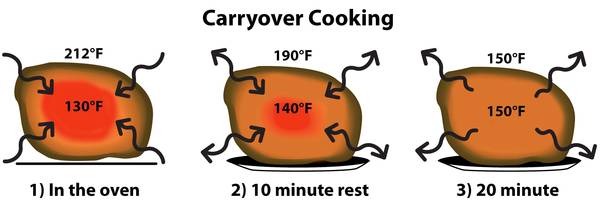
Carryover cooking. Just because you have taken food off the heat, doesn't mean you are done cooking. Cooking can continue for 15 minutes or so, even at room temp. This is called carryover cooking an it can really screw things up.
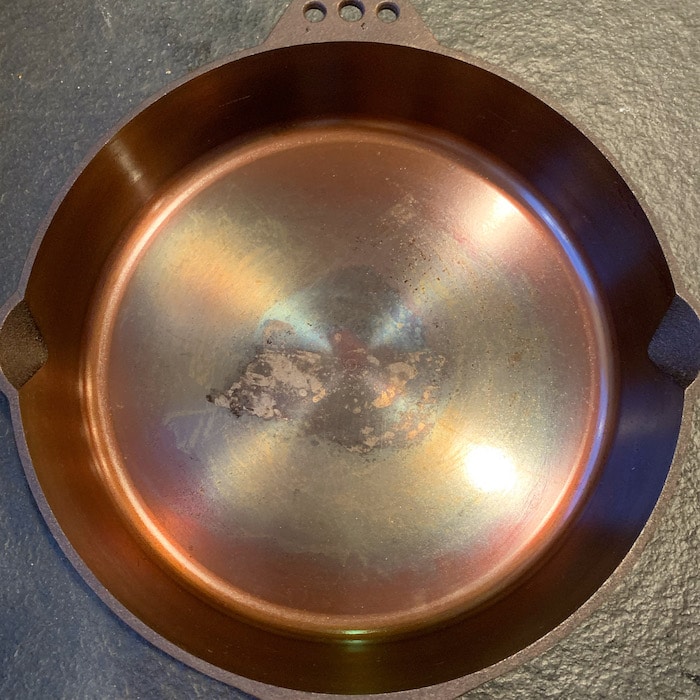
Grill cleaning and maintenance. Contrary to what your neighbor says, greasy grill grates and carbon buildup on the lid do not improve the flavor of your food. Rancid grease garnished with scale is not something I see on restaurant menus very often. And scale on the hood can reduce the heat of your grill. Here's how to clean and maintain your grill and smoker year round.
Mold in your smoker? It's pretty shocking when the rip off the cover off your cooker in spring to discover the interior is covered in white fuzz. Weber Smokey Mountain owners are especially vulnerable to this jolt. Here's what to do.
Meat science. The basic concepts you need to understand in order to make Amazing Ribs, steaks, and other meats.
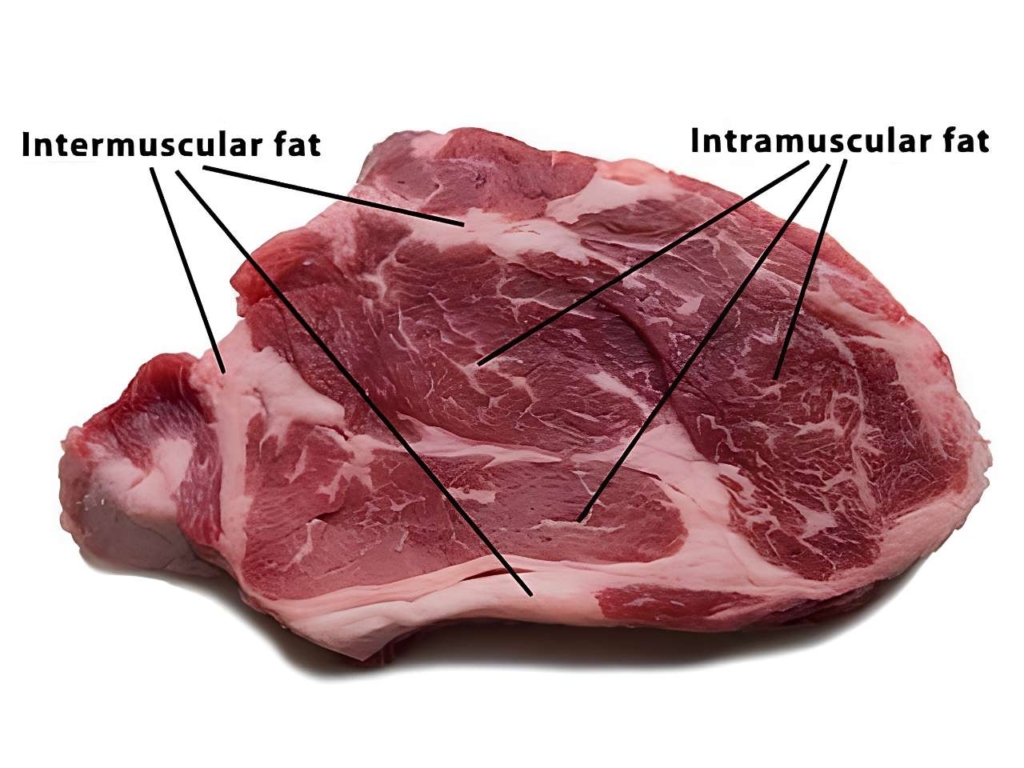
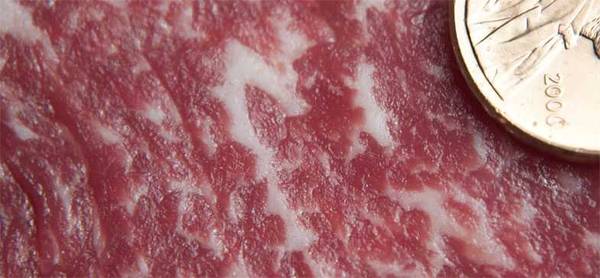
About fats and busting the myth that melting fat penetrates meat. There's intermuscular fat, intramuscular fat, intercostal fat, and surface fat. Here's what happens to them when you cook.
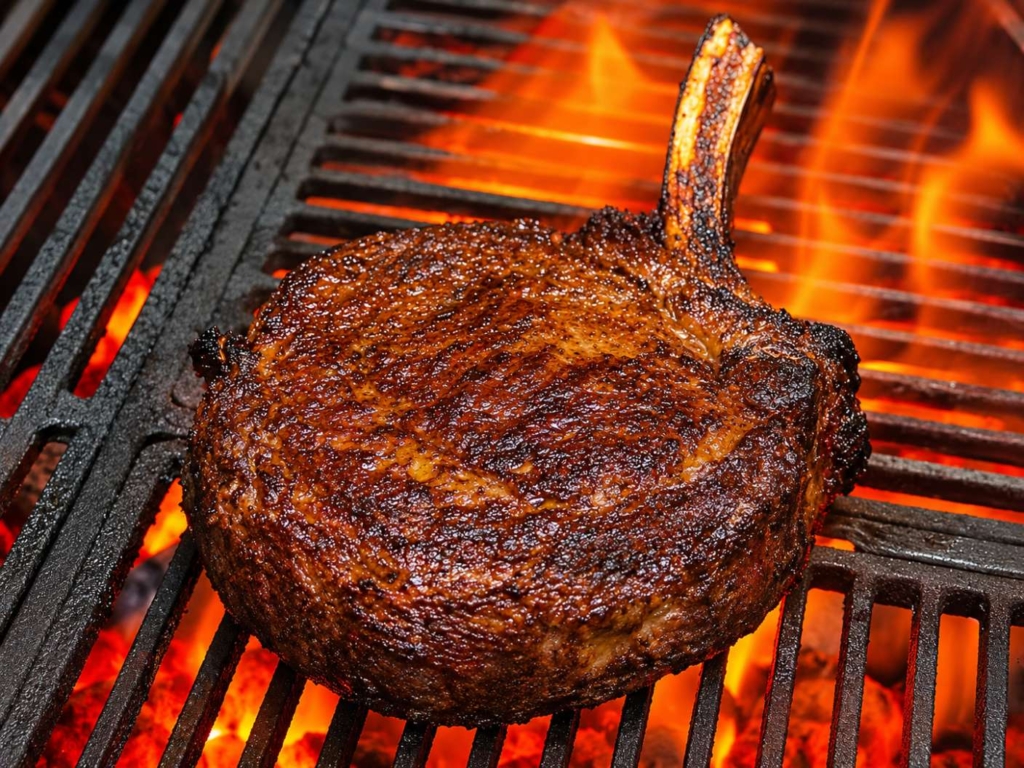
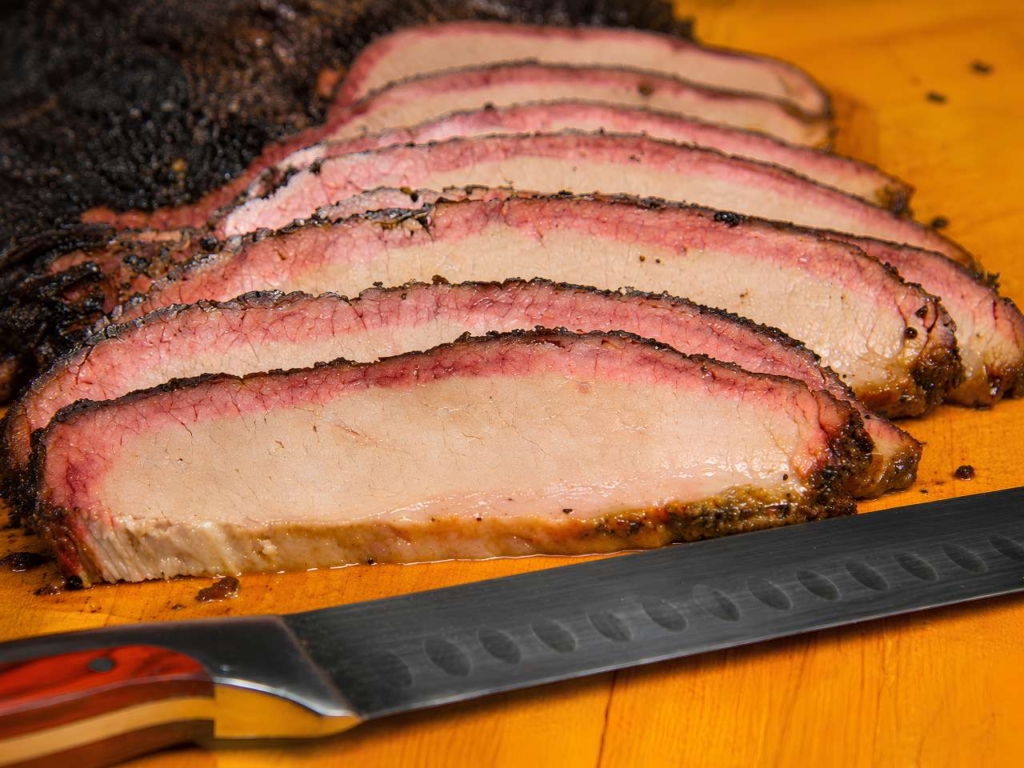
What is bark, and why it makes us howl for more. Bark is that sweet, rich, tasty surface of low and slow cooked meat, and for many of us, the best part. Here's how it forms.
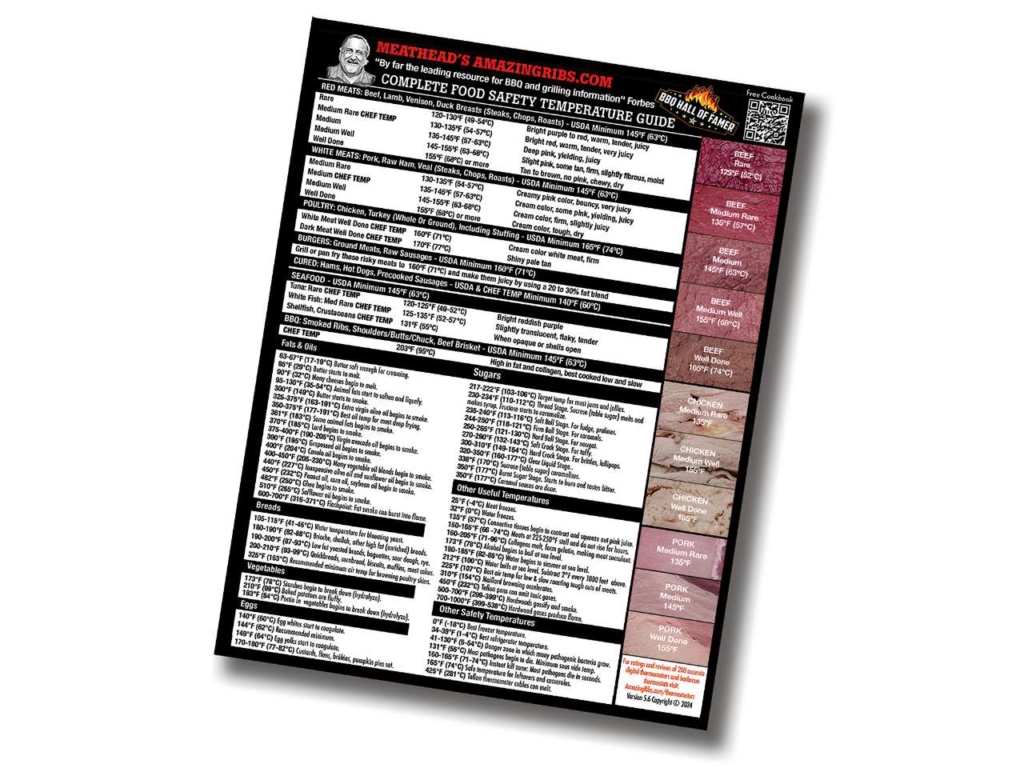
Meat temperature guide. Here are the optimum serving temps on Meathead's award-winning handy dandy guide.
Food And Health. So many conflicting "facts"about what is healthy and what is not. Let's bust some myths.
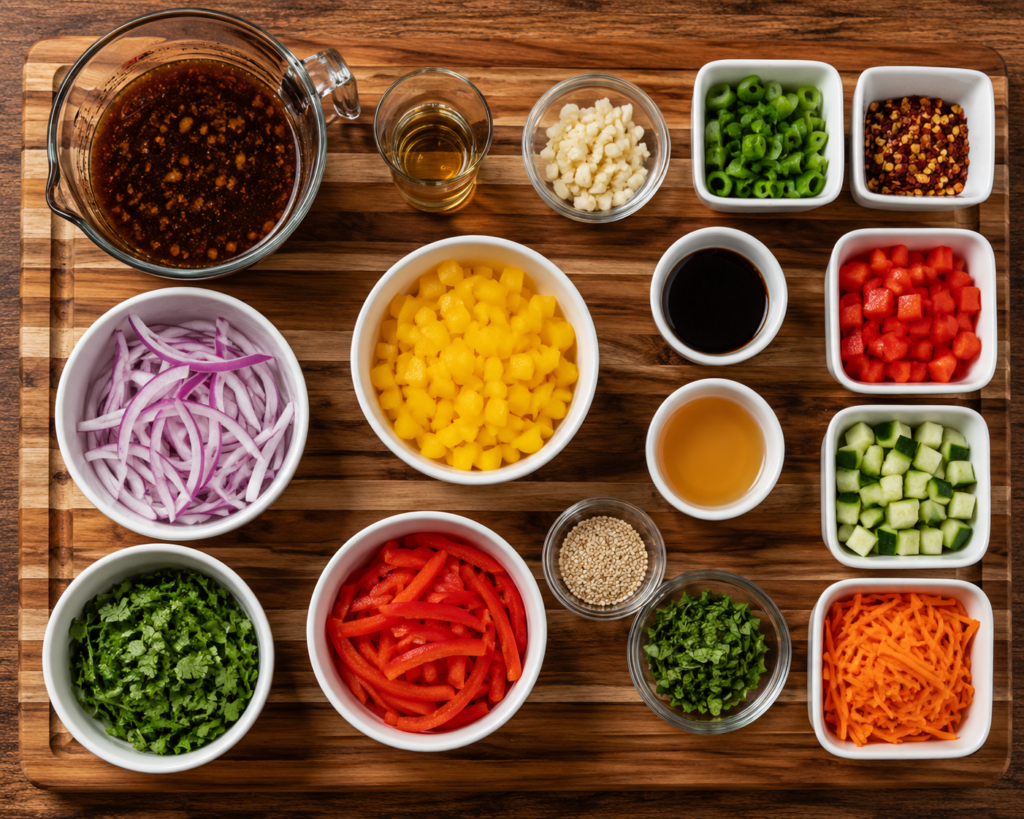
Do this before you start: Mise en place. It's French and it means, roughly, "everything in its place", and it is the best thing from France since the Pinot Noir grape. It can prevent disasters. The basic concept is to get all the ingredients out and ready first. Chef Anthony Bourdain calls it his religion. The Boy Scouts have a similar motto: "Be prepared".
The Texas crutch. Boiling meat turns it to mush and sucks out all the flavor, but this technique makes it tender and juicy.
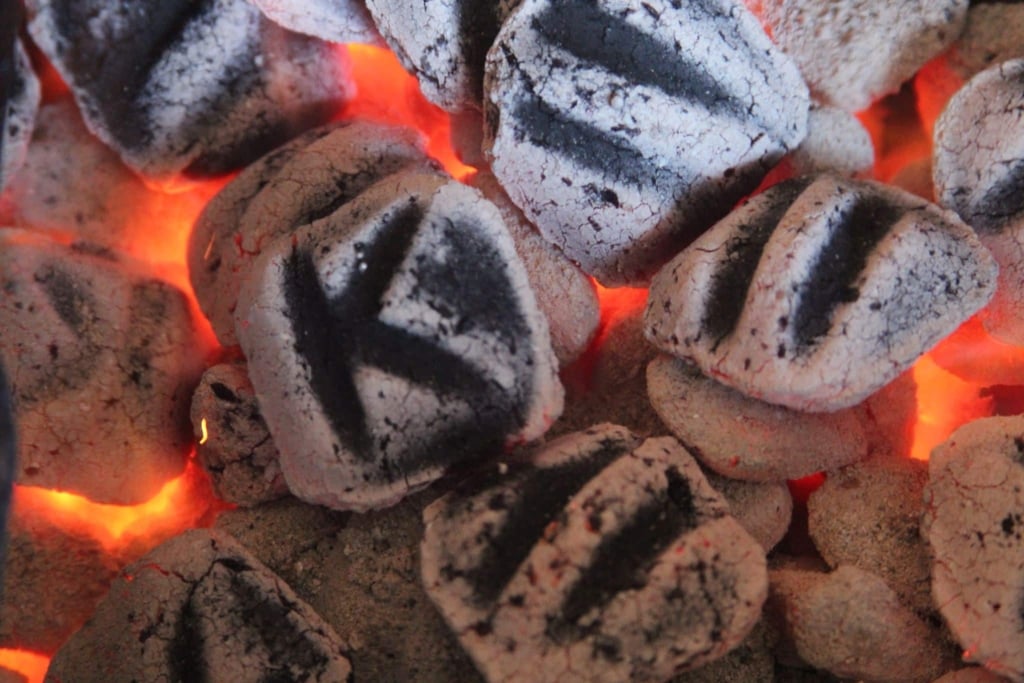
The Zen of charcoal. Here's what you need to know about cooking with hardwood, hardwood lump charcoal, charcoal briquets, and the new "Competition Briquets".
The Zen of wood and smoke. The seductive aroma and flavor of smoke is the essence of barbecue. Here's how to get it.
Cooking more than one large hunk o' meat. When the whole fam damily is coming over, you might want to cook more than one pork butt or brisket, or a shoulder and a brisket and some ribs. If you have the space, it's no problem. The question is, how does this impact cooking times? But beware of those vertical rib holders.
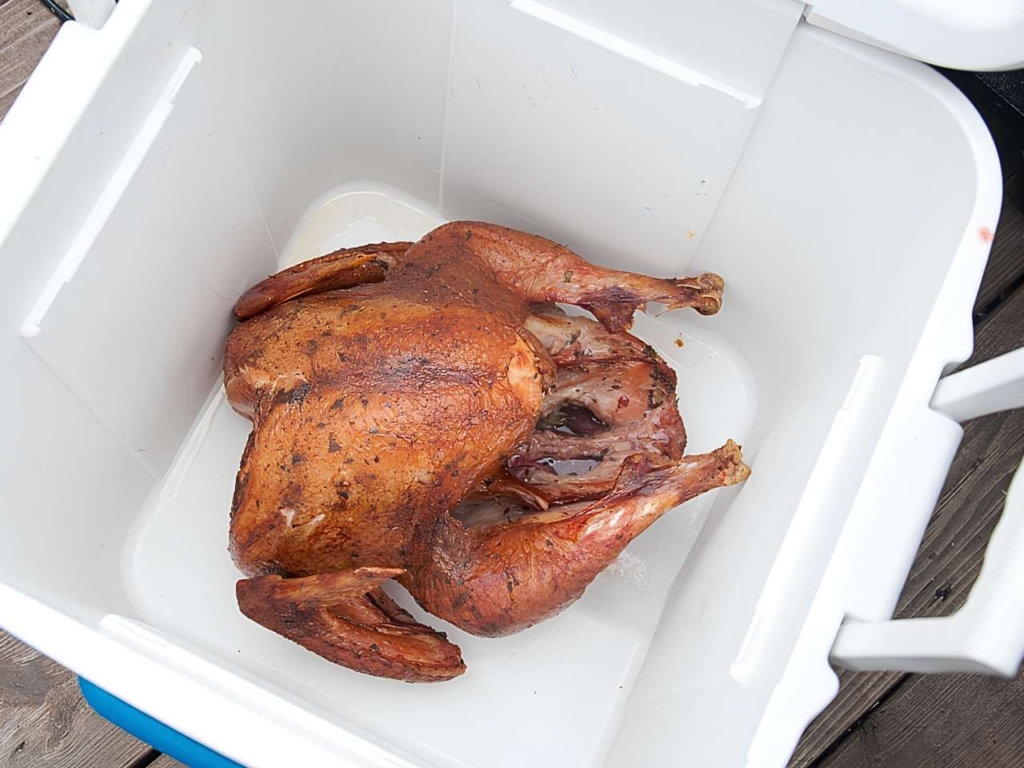
Keep your meat warm with a faux Cambro. The problem with outdoor cooking is that the temp isn't as easy to control as indoor cooking. So you can never be 100% sure when things will be ready, especially when you're cooking low and slow. So here's the solution. Get it done early and hold it in a faux cambro, aka beer cooler.
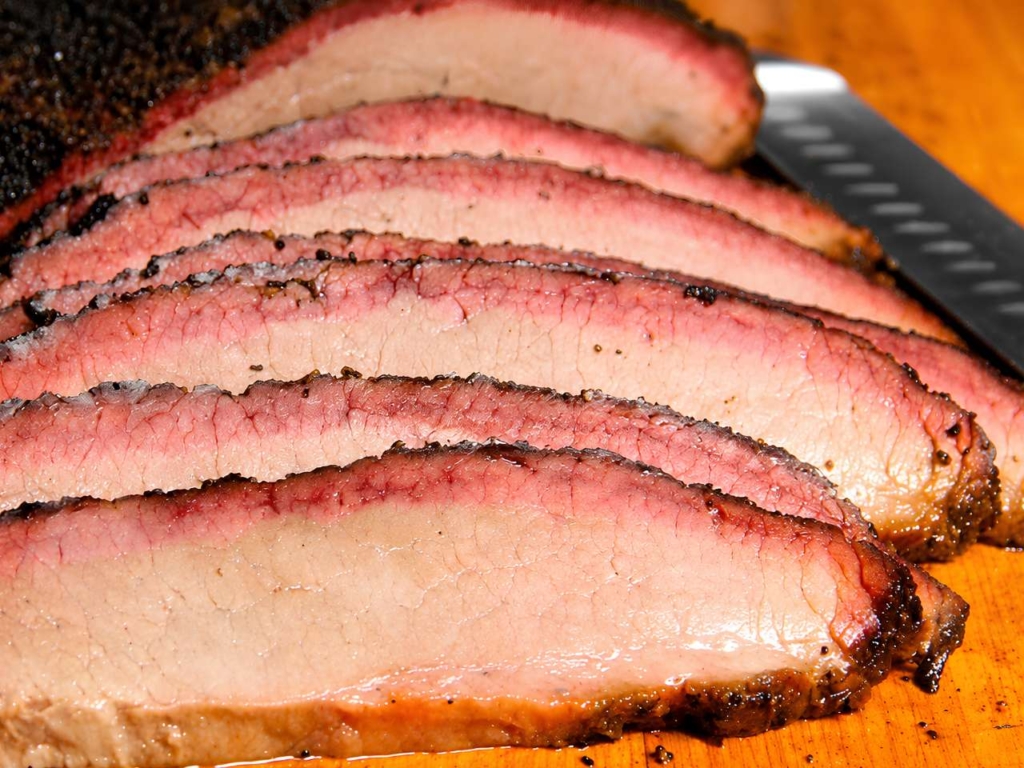
Freezing & reheating leftover meats. I always cook more food than needed so nobody goes hungry. That means leftovers. Here's how to handle them.
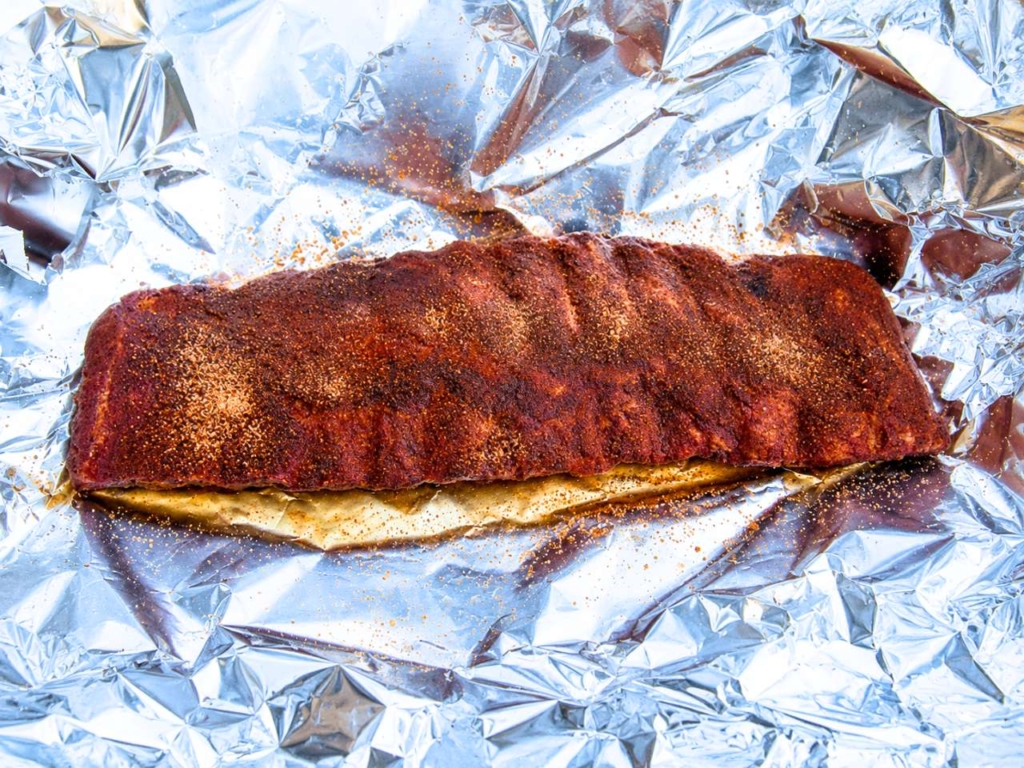
Cook today, serve tomorrow. One of the most frequently asked questions I get goes something like this "I agreed to serve pulled pork for 50 people at the company picnic on Sunday. I plan to cook it on Saturday at home and bring it to the park on Sunday. What's the best way to do this?" You're not gonna like the answer: This is called serving leftovers. Don't do it. But if you must, here are some tips.
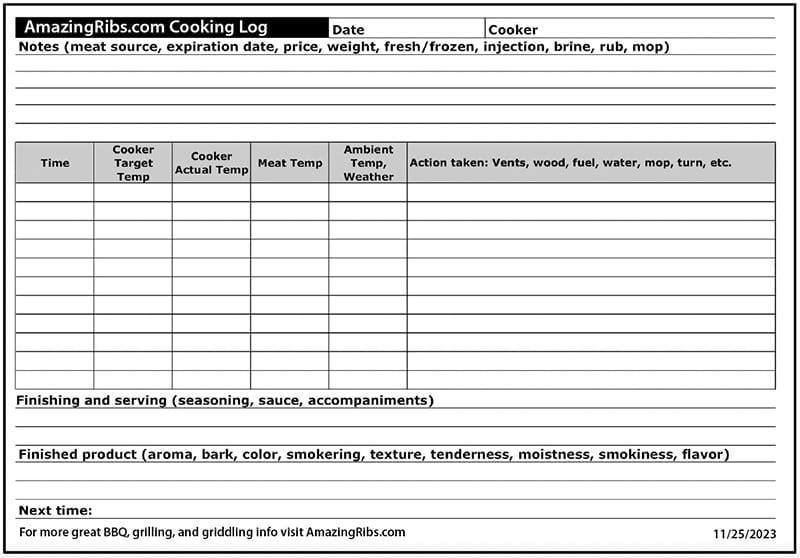
Use a cooking diary. Take notes! Whenever you cook, keep a log. Make notes on the meat, the prep, the cooker temp, ambient temp, the wood you used, how it tasted, and what improvements you need to make. Here's a printable version of my cooking log.
Glossary of terms. First, let's define some terms: What is barbecue? What are Amazing Ribs? How does it differ from grilling and smoking? What are baby backs, spares, country ribs, riblets, rib tips, rib roasts, and the St. Louis cut?
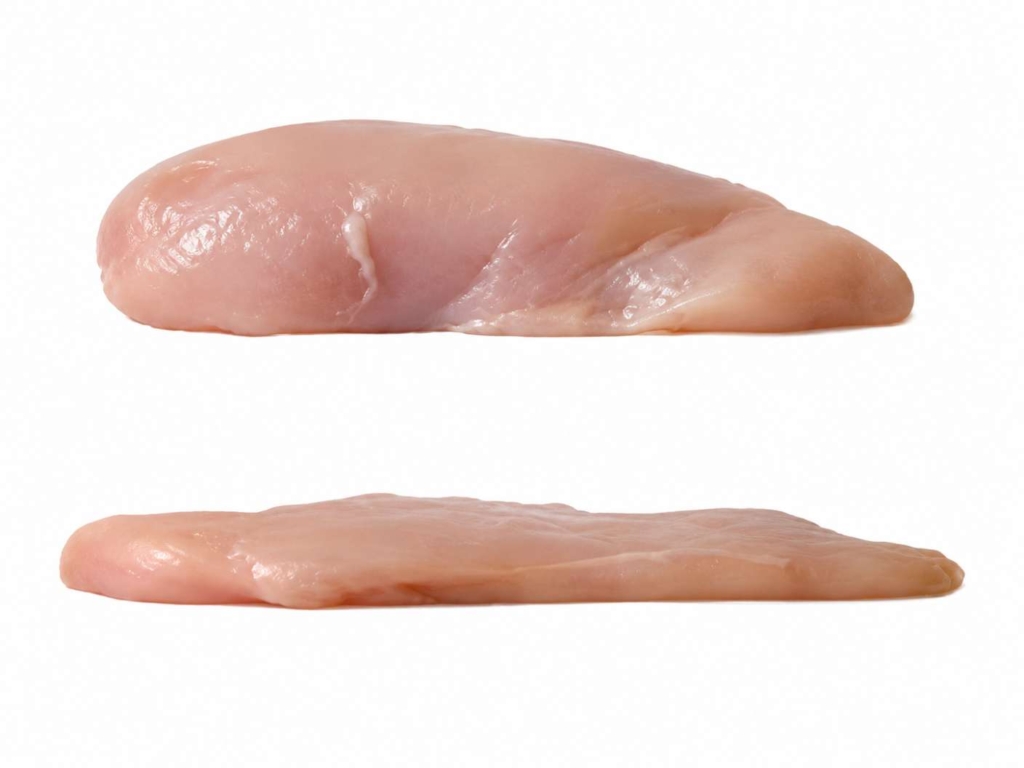
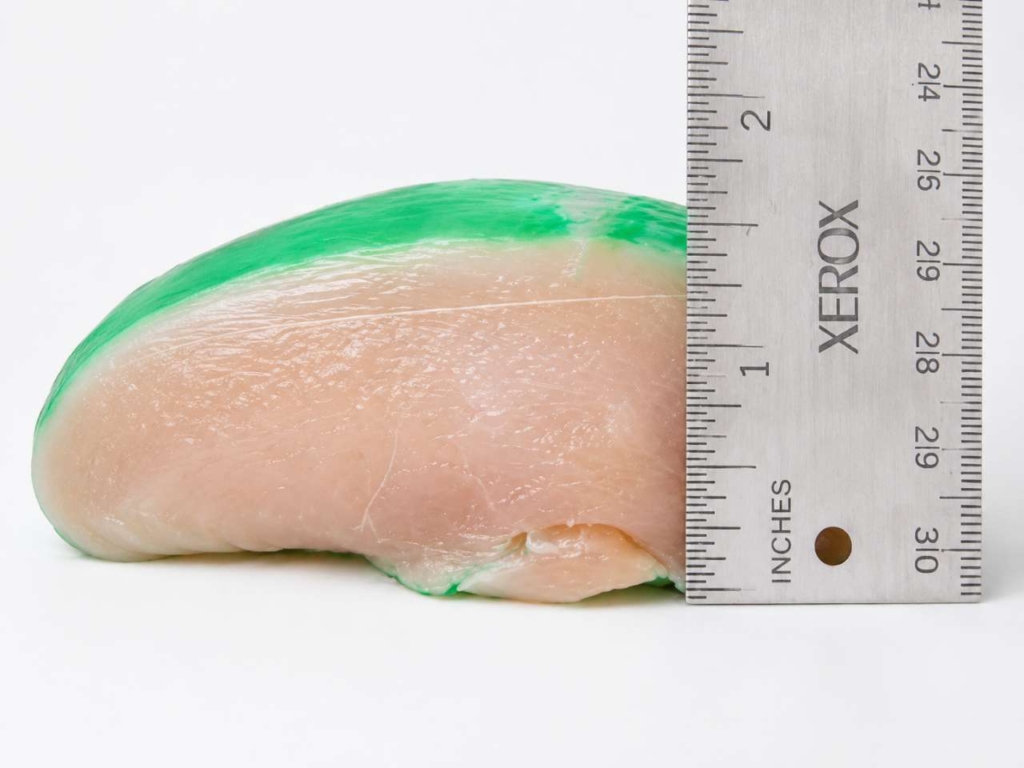
Pounding chicken breasts. The problem is chicken breasts have a big bulge on one end, and a thin narrow tip on the other. So if you cook the fat end to 165°F, when it is safe, the thin eng is way overcooked and dry. There is a solution. Pound the breast until it is uniform in thickness.
Important weights, measures, and conversion tables. Sure, you know how many teaspoons in a tablespoon (don't you?), but do you know how many tablespoons in a cup?
Marinating. Forget everything you thought you knew about marinating. It works differently than you think. But gashing can help a lot.
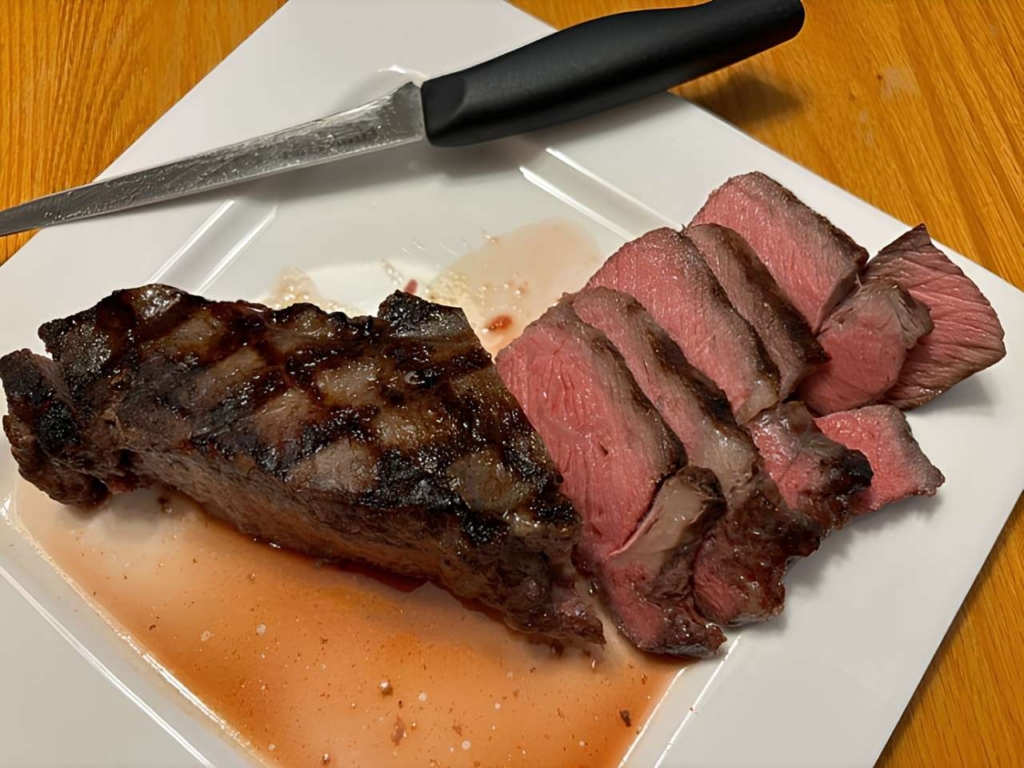
Mythbusting grill marks and flipping frequency. Those crosshatched grill marks look pretty and get the mouth watering, but they leave most of the surface tan when it should be an even brown. And how flipping meat a lot improves it.
Mythbusting: Does using a thermometer or turning with a fork cause the meat to bleed out, and can you tell doneness by cutting into it? More husband's tales put to rest.
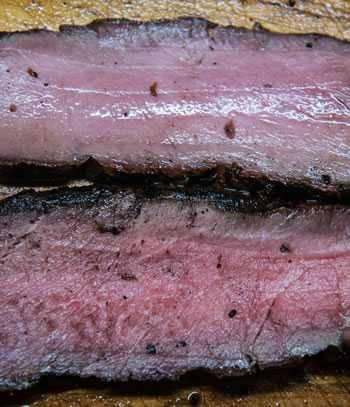
Mythbusting "resting meat". Resting meat when it comes off the heat does it no good, and in fact can harm it. Let's give this myth a rest.
If you're lookin', you ain't cookin' It is a widely accepted shibboleth, appearing in practically every barbecue book ever written: "If you're lookin', you ain't cookin'". The message is that when you open the lid of your grill or smoker, cooking slows or stops. Our resident mythbuster, Dr. Greg Blonder busts this myth.
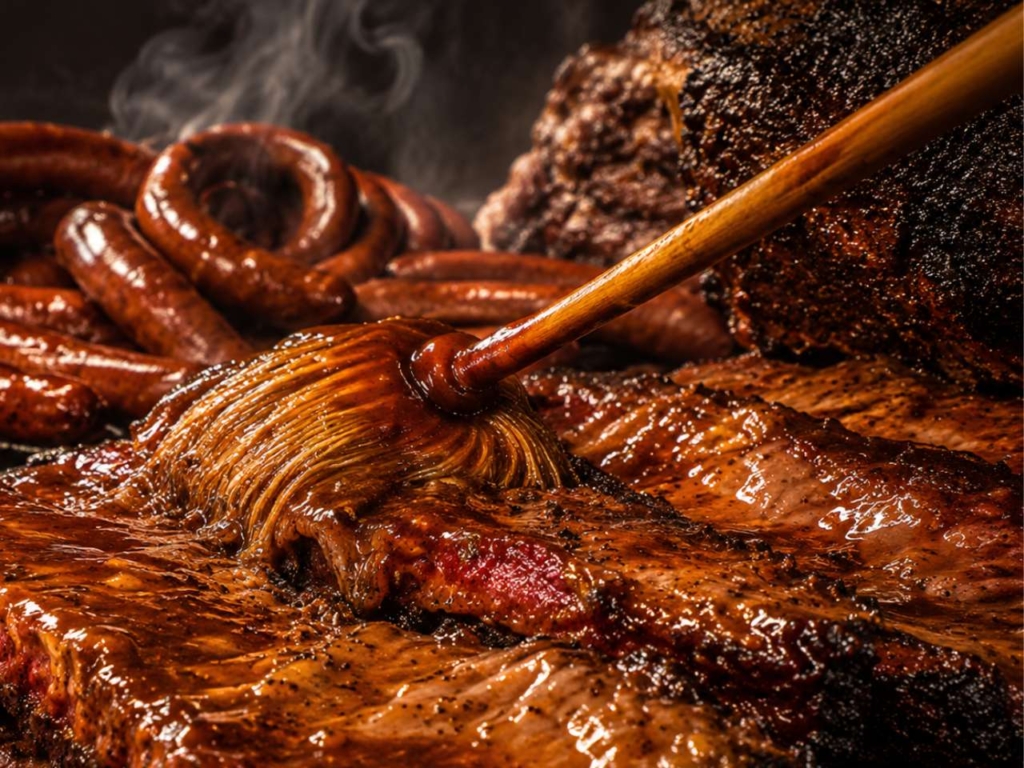
Basting, Mopping, And Spritzing. There is a good reason for mopping, basting, and spritzing, but it's not the one you're thinking about.
Letting Meat Come To Room Temp. Cookbooks and websites often say to let the meat come to room temp. Here's the theory, and the facts.
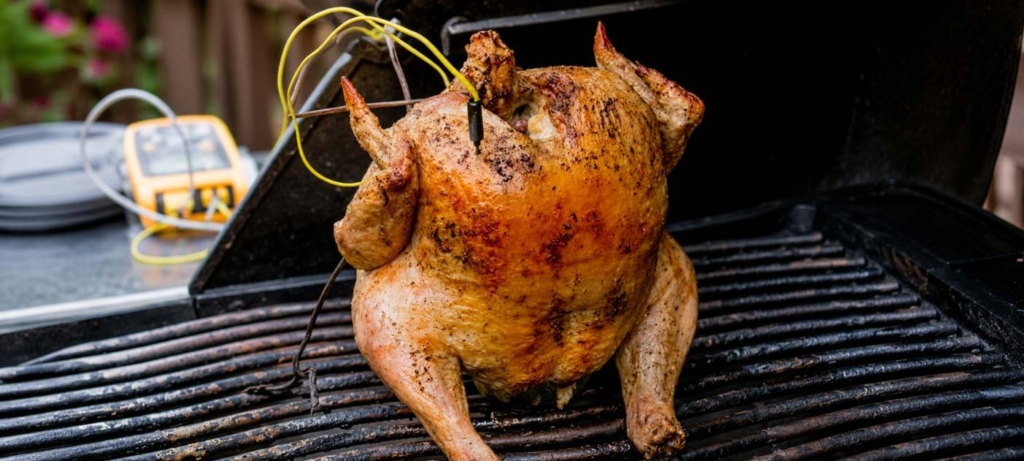
Beer Can Chicken. There are much better techniques for chicken.
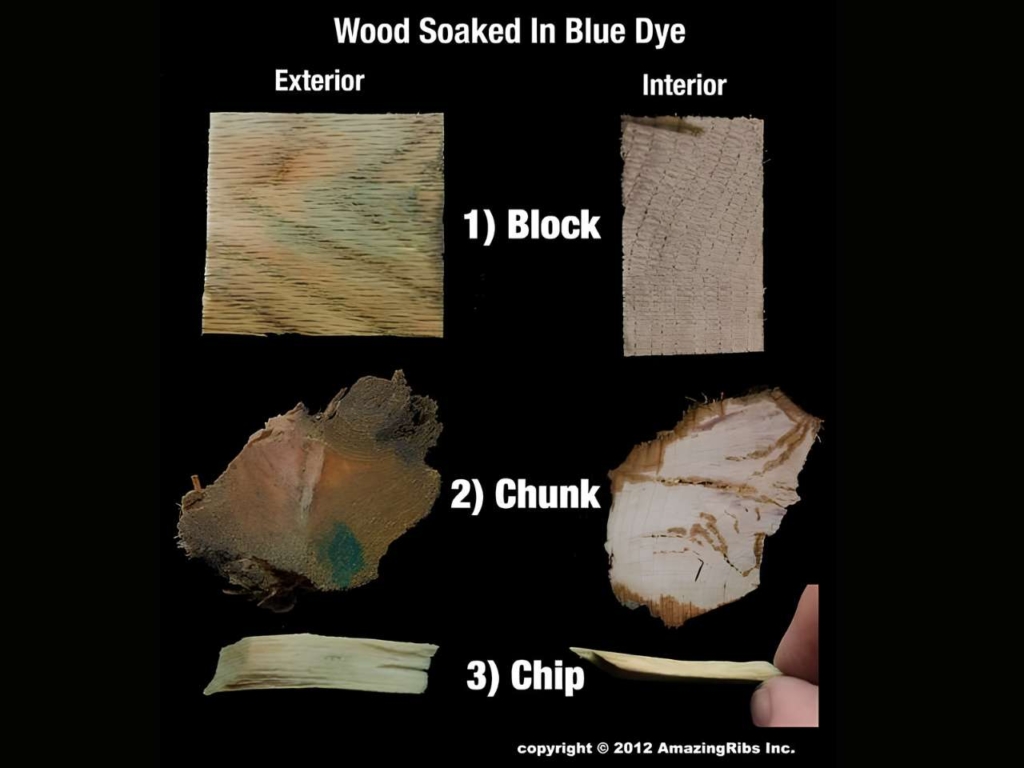
Soaking Wood. Don't waste your time. It doesn't help, and it can hurt.
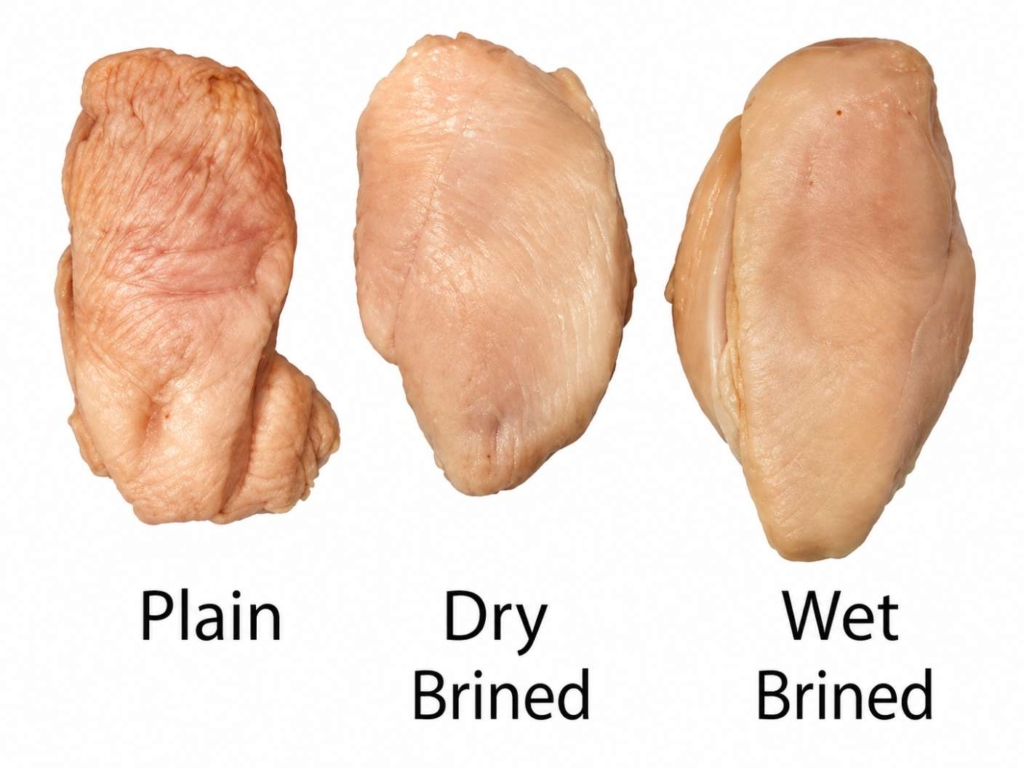
Brining. It is not osmosis. But it still amps up flavor and adds moisture.
Bone in or bone out? Which is better? You'll be surprised by the answer.
Searing seals in juices. Not. That's right, this is an old husband's tale.
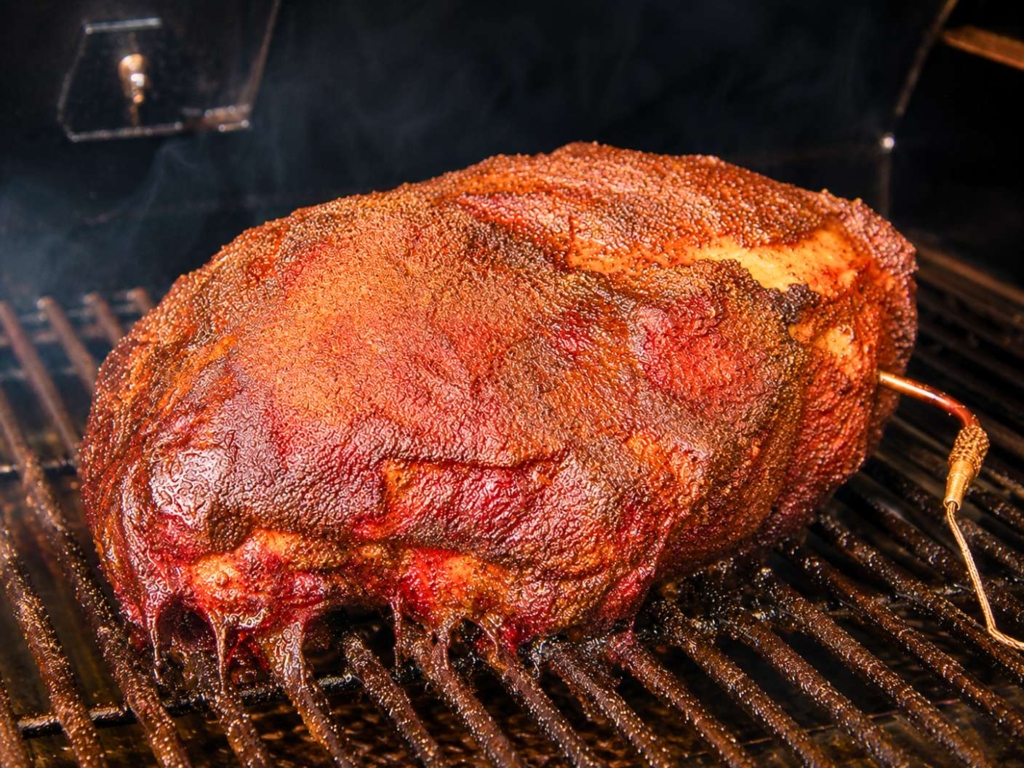
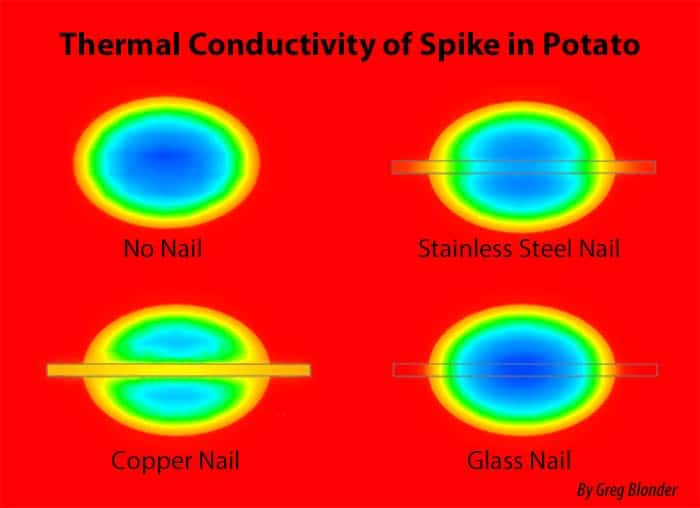
The Stall. Beginners are often baffled after 2 to 3 hours of cooking pork shoulder or beef brisket. The temperature of the meat stops moving. It sticks. It stalls. and stays unyielding for hours. Pitmasters think it is fat rendering or collagen denaturing. It is not. Here is an exclusive explanation by physicist Dr. Greg Blonder about what is happening and what to do about it.
Making Amazing Ribs
Are they ready yet? Perhaps the trickiest part of cooking ribs is knowing when they are ready, but not overcooked. Here's how.
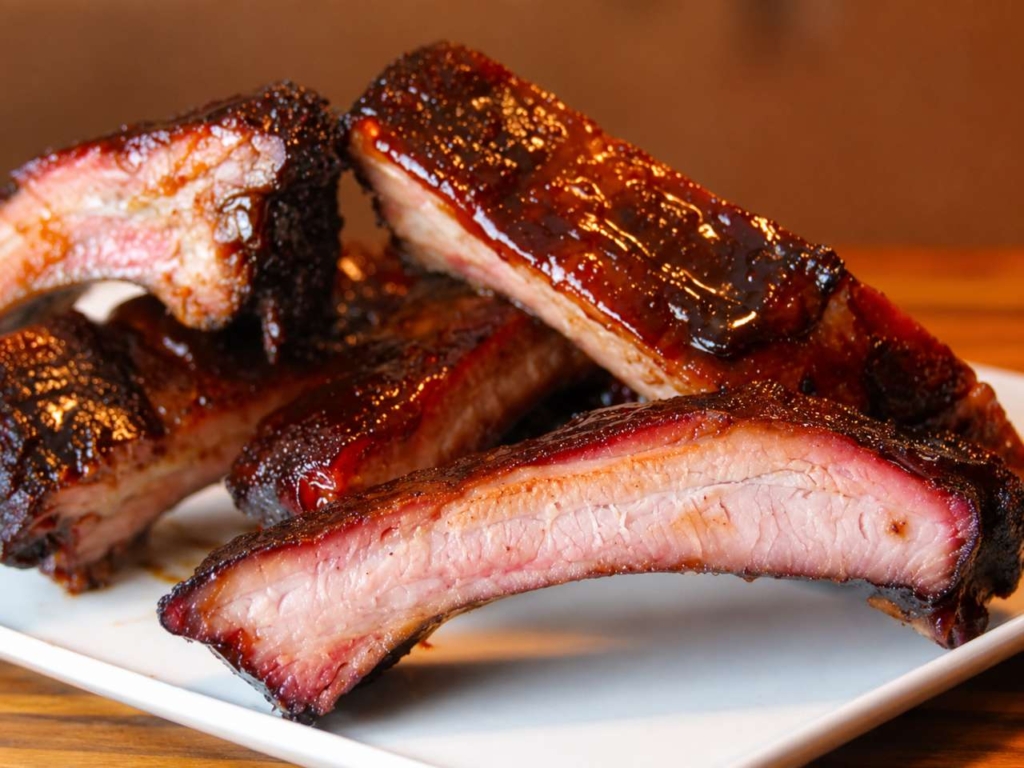
What are Amazing Ribs? The ribs the world loves best are from the American South, barbecued, with a perfect balance of porcine flavor, silky mouthfeel, springy texture, and juiciness framed by a kiss of smoke, hugged by the sweetness, acidity, and spiciness of sauce, and licked by fire. Here's my definition of what Amazing Ribs taste like.
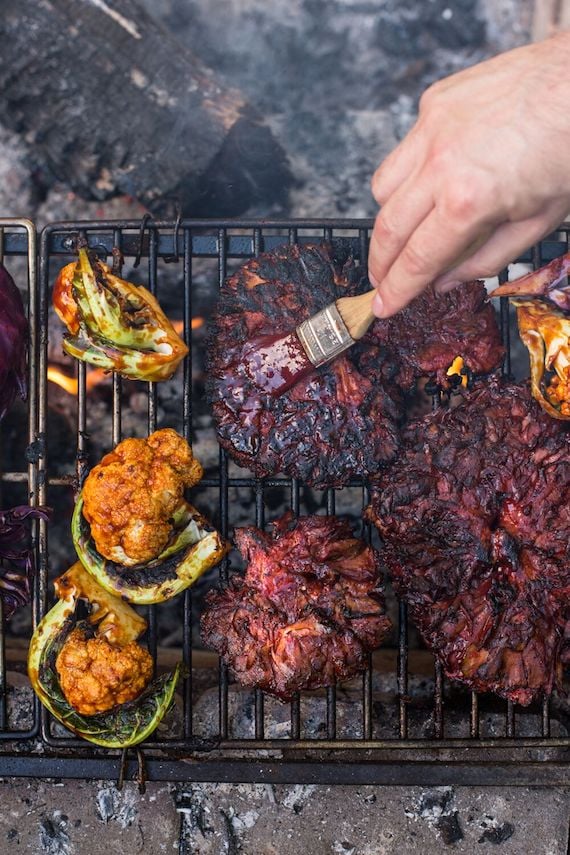
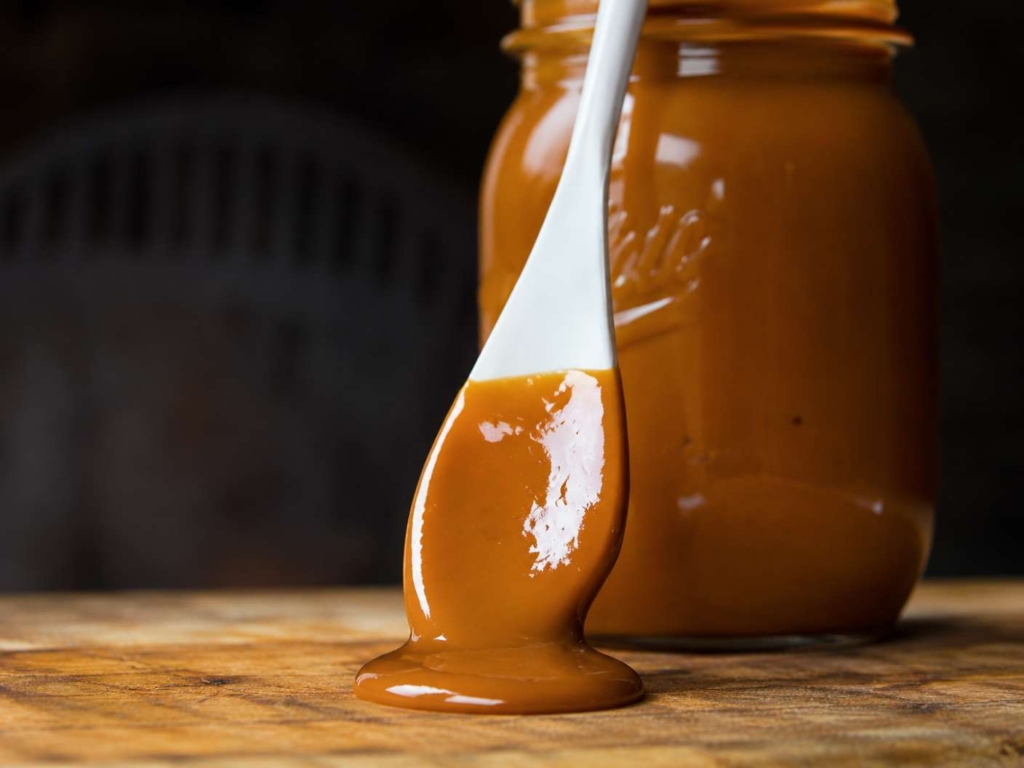
Saucing strategies The most common error we make is adding the sauce at the wrong time. Here's how to get sizzling sauce without burning it.
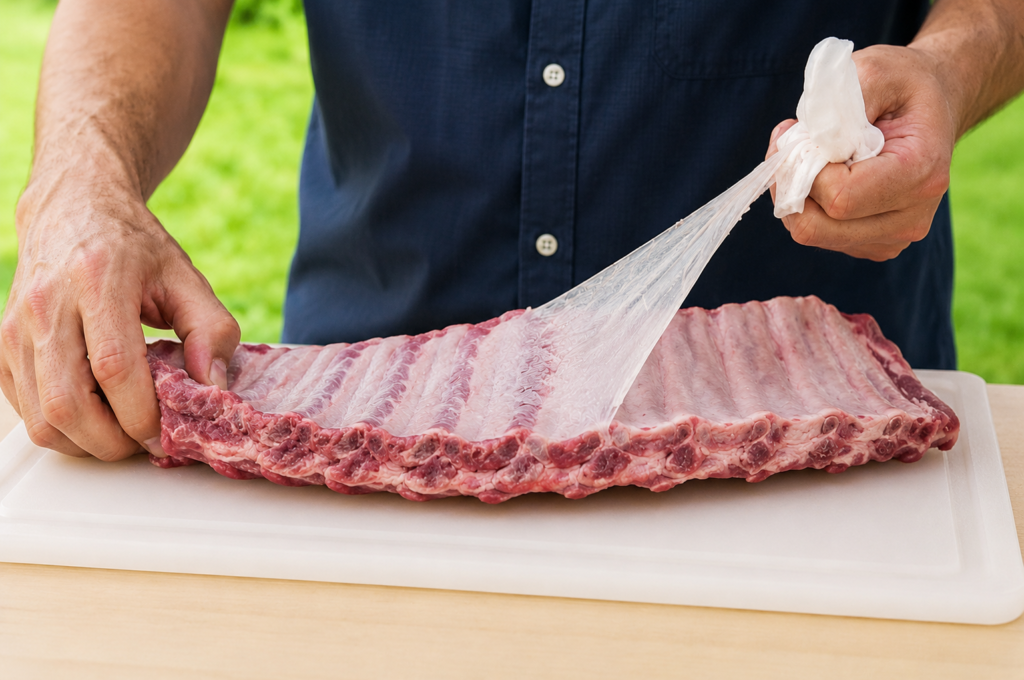
Skin 'n' trim: Removing the membrane. On the back of all slabs there's a membrane that keeps flavor from the meat and gets very tough. Here's how to remove it.
Ribs in a hurry Memphis style. Use the Memphis method for cooking over direct heat and get them done in a hurry.
Safety first
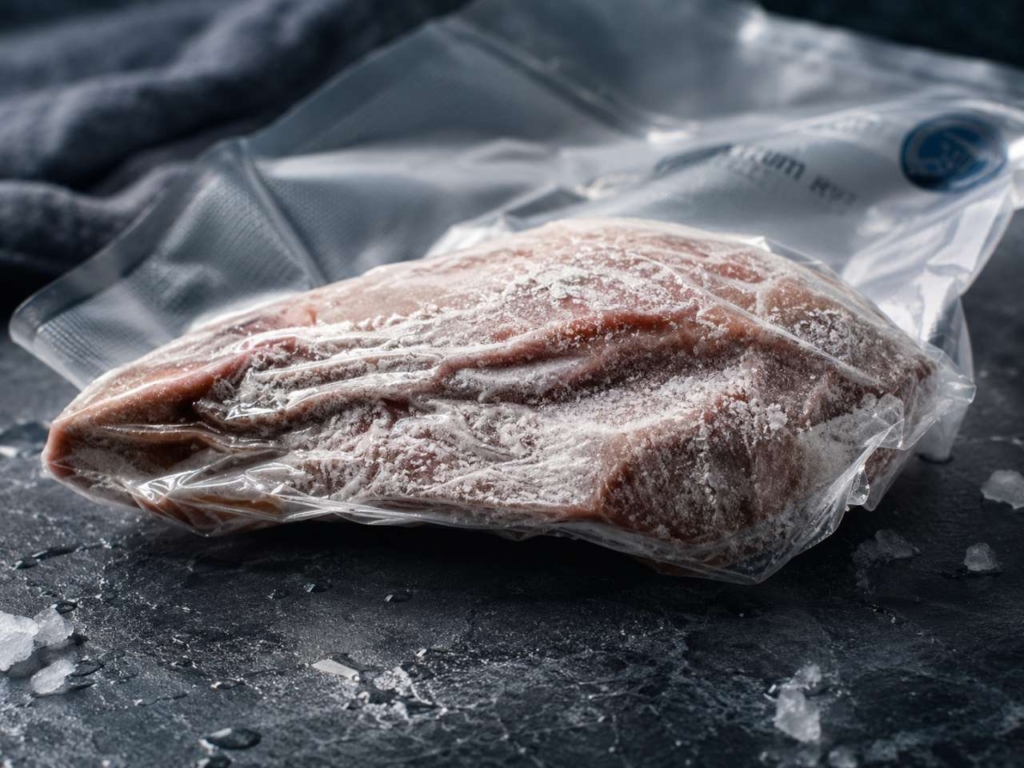
Thawing meat. How to defrost meat safely.
Food, knife, and grill safety. How to live to cook again and how to not kill your spouse, by accident that is.
Does grilling pose a cancer risk? No. Not unless you do it badly. Read the facts.
Do nitrites & nitrates in hot dogs, pastrami, and lunch meats cause cancer? Read the facts.
Cold Smoking Sausages And Fish: Don't Do It. Here's why.
Why sprouts may be the riskiest food going. Eat all the raw veggies you like, but don't eat raw sprouts. Here's why they are different.
Debunking Beer Can Chicken. It may be a health risk, and it is just not a good way to cook chicken. And there is no Santa Claus.
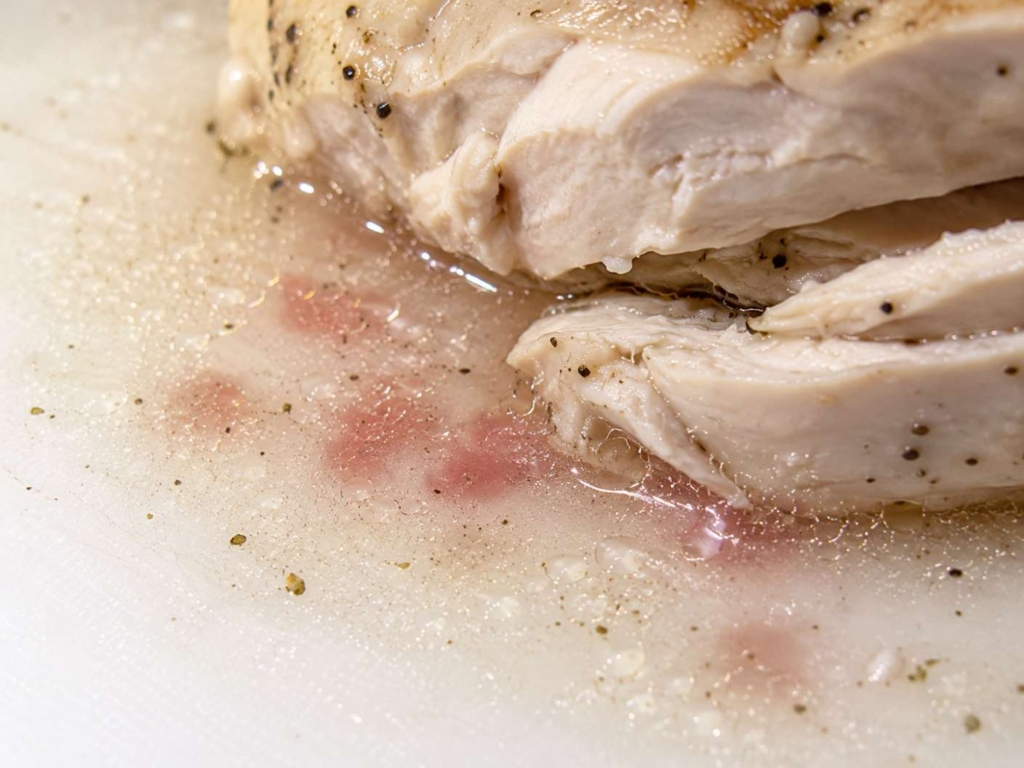
You Can't Tell When Chicken Is Done By Looking At The Juices, And Pink Meat Can Be Safe. The old rule of thumb "cook until the juices run clear" is not reliable. You could end up badly overcooking your poultry or spend the night on the toilet.
...more to come (to be notified when new recipes and other articles come online, be sure to subscribe to my free, spam free, email newsletter).
About this website
AmazingRibs.com is all about the science of barbecue, grilling, and outdoor cooking, with great BBQ recipes and tips on technique. Learn how to set up your grills and smokers properly, the thermodynamics of what happens when heat hits meat, as well as hundreds of excellent tested recipes including all the classics: Baby back ribs, spareribs, pulled pork, beef brisket, burgers, chicken, smoked turkey, lamb, steaks, barbecue sauces, rubs, and side dishes, with the world's best buying guide to barbecue smokers, grills, and accessories, all edited by Meathead.
Advertising on this site
AmazingRibs.com is far the most popular barbecue website in the world and one of the 50 most popular food websites in the US according to comScore and Quantcast. Visitors and pageviews increase rapidly every year. Click here for analytics and advertising info.
| Weights, Measures, Conversions | Tips & Techniques | Recipes | Equipment Reviews | BBQ Culture & History |
| My Ingredients | BBQ Joints | About Us | Blog | Links | Newsletter | BBQ Tunes |
| Privacy Promise, Code of Ethics, Other Legal Terms | Advertising & Sponsorship Opportunities |


GrillGrates amplify heat, eliminate hot spots, and block flareups. This is the concept behind the expensive new infrared grills. A must add-on for all gas grills.


Please please please read this before posting a comment or question:
1) Please use the table of contents or the search box at the top of every page before you ask for help.
2) Please click the "Follow Conversation" button or the "Email" button below your comment so you will be alerted when we reply.
3) Please don't ask any questions that involve temperature unless you tell us that you are using a digital thermometer! Dial thermometers are often off by as much as 50°F! If you are not using a good digital you have no idea what the temp really is so we can't help you. Please read this article about thermometers, then buy one of our recommendations, and then, if the problem persists (chances are it won't), hit us with your questions.
4) Please tell us everything we need to know to answer your question like the type of cooker you are using.
5) If you are shopping for a grill or smoker and need help, tell us your budget!