


Jargon is the specialized language that people of like mind use to communicate. Computer geeks have their jargon, poker players have their jargon, and pitmasters have theirs. Jargon also serves another important, but aggravating function: Separating “us” from “them.” That’s right, people often talk jargon so they can leave you out of the conversation in order to feel superior. Let’s fix that problem. Here are some of the terms used by barbecue insiders. Read them, use them, and become an insider.
A B C D E F G H I J K L M N O P Q R S T U V W X Y Z
2-zone cooking. The single most important technique an outdoor cook can learn. It involves dividing the cooking surface into a hot direct hear zone and a not-so-hot indirect heat zone. This gives the cook much more control of temperature and the ability to cook the interior and exterior separately. Click here to read more.
3-2-1 ribs. A method for cooking spare ribs with three hours in smoke, two hours wrapped in foil, and 1 hour back in the smoke. I think two hours in foil is far too long and produces mushy ribs. Read my method for Last Meal Ribs.
A
A9. The highest grade of meat in Australia. The quality scale goes from 1-9, and A9 typically indicates wagyu beef.
ABT. Atomic Buffalo Turds. Yes, you heard me. These are jalape–o peppers stuffed with cream cheese, wrapped with bacon and smoked. They taste better than the name.
Acidic. See sour.
Ahrs. The increments of time used to measure how long a cook takes. Spare ribs take up to 6 ahrs, pulled pork can take up to 14 ahrs, etc.
Al dente. Contrary to what you might think, Al Dente is not a hall of fame third baseman. It is an Italian phrase that means roughly “to the tooth” but what it really means is that the food in question is not cooked until soft. Usually used to refer to pasta that has still a little resistance, but it can also be applied to greens like broccoli or string beans, or even baked potatoes. Many people prefer al dente foods, many do not. Count me among the former.
Amazing ribs. Just what are Amazing Ribs? Here’s the complete answer.
American chili powder. Created as a seasoning for chili con carne, the classic cowboy stew, American chili powder is a blend of ground chili peppers, spices and herbs usually ancho chiles, hot chiles, oregano, garlic, black pepper, and American paprika. In many other countries chili powder is a blend of hot chiles. Click here for my recipe for Signature American Chili Powder.
Ancillary contests. In BBQ competitions, the ancillary contests usually include sauces, desserts, drinks, and things other than chicken, ribs, pork, and brisket.
Armadillo eggs. A popular BBQ dish for jalaneno peppers stuffed with cream cheese enrobed in a thick layer of sausage and smoked so they come out looking like large brown eggs.
Arni kleftiko. In Greece, on special occasions, pitmasters will burn wood in a clay oven like a pizza oven, butcher and dress a lamb or goat, put it in the oven, seal it with clay, and let the meat cook for hours. Called “bandit’s lamb” because legend holds the method was invented by thieves who lived in the mountains and they cooked the animals in small caves. The lamb was seasoned with lemon, garlic, salt, onion, oregano, olive oil, vegetables, and other spices, and then wrap it in leaves or cloth.
Asado. The traditional method of grilling in Argentina, Brazil, Uruguay, and other Latin American countries.
Aspic. Chilled gelatin from melted collagen.
Au jus. Jus means juice or gravy made from the natural drippings of the meat. Au jus means served with juice.
B
Baking. Cooking with dry heat in an enclosed vessel such as an oven or in a large lidded pot. When you bake you surround the food with even heat on all sides so it cooks evenly on all sides although, if it is in a pan, the pan will prevent even cooking. See also, roasting.
Baking powder.is also used to increase the volume and lighten the texture of baked goods. When wet, it makes carbon dioxide gas quickly, much quicker than yeast, so breads made with baking powder are called quick breads. Double acting baking powder. Gives another burst of carbon dioxide upon heating.
Baking soda. is the popular name for crystalline sodium bicarbonate. When it reacts with acid, such as the sour cream in this recipe, it releases carbon dioxide and helps batter rise.
Banking the coals. To push the coals off to one side.
Barbacoa or barbecoa. (1) The original name Caribbean Indians gave to a wooden rack on which they stored things and cooked meats. (2) Mexicans often wrap a cow’s head in avacado or other leaves and put it in a dirt pit lined with hot rocks. It is then covered so the meat can slowly roast and simmer and braise in its juices. The cheeks are highly prized. Nowadays it can also be goat, beef, pork, or lamb, wrapped in aluminum foil and buried or cooked in an oven. This is also an early method of cooking, but it bears little resemblance to what we call barbecue other than it is done outdoors.
Barbecue (also: Barbeque, BBQ, Bar-B-Q, Bar-B-Que, Bar-B-Cue, ‘Cue, ‘Que, Barbie, Q). There are at least nine spellings and a dozen or so definitions. It is both a noun, verb, and adjective, but at its core is flavor from smoke. I had to devote a whole page to the Definition of Barbecue.
Barbecue sauce.American barbecue sauces range from bright yellow with mustard, to bright red from ketchup. Some are very tart and vinegary, some are sweet, some are very hot and spicy, and some are aromatic and savory with green herbs. Most are tomato or ketchup based. The best sauces compliment the meat flavor and don’t bury it. My favorites have it all, a symphony of flavors. A little sweet, a little tart, a little hot, and a little savory. This website contains recipes for some examples of the best of all styles. Click here for a discussion of the major styles and click here for recommendations for some of the best to buy.
Bark. A brown crunchy jerky like crust that forms on some foods caused by seasonings from the rub, the Maillard reaction, and dehydration of the meat’s surface. Some people, like me, really like bark. Read more about bark and how it is formed here.
Barrel (also: drum smoker). A vertical smoker, usually made out of a barrel or oil drum.
Baste. Brushing a liquid on food while it is cooking. Water based bastes add flavor, can replenish some lost moisture, inhibits browning and bark formation, and slows cooking which can improve fat rendering, melting connective tissues, but longer cooks can also increase moisture loss. Oil based bastes can inhibit moisture loss, add flavor, and aid browning. See mop below.
BBQ Guru. (1) A device with a fan and a thermocouple probe that can be set for a temperature and it will control oxygen to a charcoal fire and thereby control the temperature of the cooker. (2) Anybody with a blog about BBQ.
Bean hole cooking. Developed by the Penobscot Indians of Maine, they dug a large hole, lined it with rocks, heated them with burning logs thrown in the hole, placed a clay pot with beans in it into the hole, and covered the hole with dirt. Similar method to Hawaiian imu, a clam bake, and New Zealand Hangi.
Bear Paws. See Wolf Claws below.
Beer. Carbonated fermented grains and water, often flavored with the flowers of the hops plant. Low in alcohol, usually between 3 and 6%. There are infinite styles and flavors. Often used to enhance sauces and marinades, as well as the cooks.
Beer can chicken or beer butt chicken. A very kewl looking way to present a grilled chicken, but a lousy cooking method. Everything they say about the reasons it works is wrong, starting with the fact that the beer doesn’t steam and the can would prevent moisture from entering the meat anyway. Read the science that busts BCC here.
Beer safe. A recipe that can be cooked properly while drinking beer.
Best If Used By or Use By. dates tell you when you should eat or freeze the product. These dates are not related to safety, just quality.
BGE. Big Green Egg, a popular kamado cooker. Also called an egg. The devotees of this device are called eggheads.
Bitter. One of the five basic taste sensations, the others being sweet, sour, salty, and umami. A pungent sensation that is often confused with sour/acidic because they are both sharp and in excess, unpleasant. Commonly found in leafy green vegetables, the hops in beer, and citrus peel.
Black & Blue. Red meat like beef grilled to the point of being almost charred on the outside, and “blue”, which is a term for very rare, on the inside. Sometimes called “Pittsburgh”.
Blade tenderizing. Meat packers can make tough cuts tender by subjecting the muscle to very sharp thin blades that cut through fibers and connective tissue. There are home blade tenderizers, called jaccards, but I do not recommend them because, if there is any contamination on the surface it drives the microbes down into the center where they are harder to kill.
Blanching. Foods are submerged in boiling water for a very short time, usually less than five minutes, and then they are usually moved to cold water. The process is used to partially cook a food, to loosen skins on nuts to make them easy to remove, to make green vegetables, especially string beans, bright green.
Blind box. A small styrofoam clamshell box in which BBQ competition teams prepare their entries for presentation and turn-in.
Blue smoke. You want your wood fire burning clean. When it burns clean, the wood smoke will be thin and have a blue tint, rather than appearing black or white. Here’s the science of wood smoke.
Boiling. Cooking by submerging in water that has large bubbles. Those bubbles are steam rising to the surface. Water boils at 212°F (100°C) at sea level and once it hits that temp it does not rise any higher, even if you turn up the heat, until all the water boils off. Alcohol boils at 172°F. Boiling temperatures decrease as you go up in altitude because the column of air on top of the liquid is shorter and exerting less pressure so it is easier for water vapor, in the form of steam, to escape. The boiling temp of water is about 203°F in Denver. If you are cooking with wine, a mixture of about 12 to 20% alcohol, the alcohol will boil first and the temp will hold somewhere just higher than 172°F until the alcohol is mostly gone, and then it will rise to 212°F and hold there until the water is mostly gone. You cannot make liquids boil much faster by increasing the heat. Boiling is a very severe method of cooking and can easily damage food by breaking down its structure, sucking out vitamins and flavor, and squeezing out its moisture. That’s right, boiled food can be dry. And tough.
Boogers. The milky gloppy exudate that comes to the surface of salmon and burgers when they are cooked. It is mostly a protein laden liquid from within muscle fibers.
Bottle o’ red. No, not some vintage Billy Joel sings about. In diner slang, that’s ketchup.
Braai. A cookout in South Africa is called a braai in the Afrikaans language, and it is as big a part of their culture as it is to ours. There is even an official holiday devoted to barbecue, National Braai Day, on September 24. The “Bring and Braai” is a popular sort of potluck at which the host provides the grill and the fuel and the guests bring the food, often boerewors (a coarsely ground sausage), sosaties (marinated mutton skewers), steaks, and lobster. Braavleis is barbecued meat. A typical side dish is pap, made from cornmeal, a bit like grits.
Braising. A wet method of cooking similar to stewing, poaching, or simmering. In braising, the meats are usually larger than in stews. Braises are usually only partially submerged in hot, but not boiling liquid for a long time, perhaps 6 to 12 hours. Braising is usually done in large pots like Dutch ovens or slow cookers and the lid is usually not on tight. When food is wrapped in foil with a little liquid, as in the Texas Crutch, it is a form of braising. This keeps thepart of the food that is not submerged cooler than the approximately 185 to 200°F of the liquid, and allows it to tenderize without drying out as easily. The result is a moist meal where everything in the pot gives up its goodness in the name of the whole, and like an orchestral symphony, no single instrument stands out.
Brazier. See grill.
Brine. A wet brine is salt mixed with water, and a dry brine is salt applied to the surface of a food. The salt dissolves and diffuses into the meat (despite what you have heard, osmosis is not the driving force). It helps protein hold onto moisture during cooking and amplifies flavors. Many conventional recipes use juice, herbs and spices and more in wet brines. They are pretty much wasted since their large molecules cannot penetrate the meat during the short brining time, even overnight. They stick to the surface. For more info, read my article on wet brines, and my article on dry brines.
Brinerade. A term coined by the smart folks at Cooks Illustrated to describe marinades with enough salt to do double duty, brine and marinade. The salt penetrates deep and the marinade treats the surface.
Briquets or briquettes. (1) Charcoal made by compressing carbonized sawdust and binders into little pillows perhaps 2″ square. I spell it briquets because that’s how Kingsford spells it and they make more than everyone else combined. (2) My backup singers when I was a Motown star.
Broasting. A trademarked method of deep frying in a pressure cooker.
Broiling. Direct heat cooking with flame. Similar to grilling. In recent years the meaning has been confused, and many people refer to broiling as when the flame is directly above the food, but technically it can be either above or below. Indoors the flame is usually above, outdoors it is below. Outdoors it is often called char-broiling.
BTU. British Thermal Units. A BTU is the amount of energy required to raise the temperature of one pound of water 1°F. There are about 2,500 BTU in one cubic foot of propane and only about 1,000 BTU in one cubic foot of natural gas.
Bullet. Bullets are drum shaped cookers that often have a dome lid, hence the name. Usually made from lightweight metal and inexpensive, they are top loading and typically have 15″ wide racks. They usually have an enamelized pan to hold water to separate the meat from the heat. These water pans also add moisture to the oven space and help keep the meat from drying out. The better designs have a door or flap on the side so you can add fuel, wood, or water. One model, the Weber Smokey Mountain (pictured), is very well built and has a cult following. The biggest problems are that (1) it is a pain to get at food on the lower shelf, and (2) the 15″ wide racks are too narrow for many slabs. Because they are so narrow, when food is crowded on, some goes right up to the edge where it is exposed to direct heat, and as a result overcooks and even burns. To see a great trick for overcoming this problem, click here.
Burgoo. A complex savory stew that is popular in Kentucky. It is cooked in a large cast iron cauldron over an open flame so it is considered barbecue by many.
Burnt ends. Originally they got their name from the thin edges of the beef brisket that overcooked and got crispy, usually from the lean flat. Nowadays pitmasters make them on purpose, bite sized cubes, often from the fattier point.
Burping. Slowly opening an kamado/egg smoker a tiny bit, then closing it, then opening it a bit more, then closing it, before you open it all the way. Sometimes, if you open these very tight devices quickly, oxygen rushes in and your eyebrows rush out. This fireball is called flashover.
Butt over brisket. Pitmasters who are cooking both pork butts and beef briskets together like to place the pork above the brisket so the pork fat drips on the beef.
Butter. Solidified milk fat made from cream, it differs from other fats in that it contains water and has a lower fat content. Often salt is added, and when it is, it is usually labeled.
Butterflying. See spatchcock.
C
Cabinets. These rectangular units have a front door and usually look a bit like a refrigerator. This design makes it easier than the bullet design to get meat, fuel, wood, and water in or out. Most cabinets are better insulated than bullets, have more shelves, and the shelf positions are more adjustable. There are cabinet designs that are fueled by wood, charcoal, gas, and electricity. The biggest problem is that if you open the door to add wood or water, almost all the heat spills out and it can take 15-30 minutes to get back to temp and stabilize. The top can often be used as a work surface.
Cadillac cut a.k.a. competition cut. In barbecue competitions the entrants must cut up their slabs into individual bones so each judge can have a bone. Some wily cooks don’t just cut the bones apart by slicing through the meat midway between the bones, they make extra meaty servings by running their knife along the adjacent bones leaving every other bone meatless and to be sucked on by the kitchen crew.
CAFO. See Concentrated Animal Feeding Operations.
Call. When you get a call, you’ve won one of the top prizes in a barbecue competition. You find out when they call your name from the podium during the award ceremony.
Capsaicin. The chemical in chili peppers that makes them taste hot. Most of the capsaicin resides in the ribs of the pepper and to a lesser extent in the seeds.
Cabrito. Grilled or smoke goat.
Caramelization. When discussing a sweet food it is the browning of sugar by oxidation under heat gives it a rich, complex, caramel or butterscotch flavor. Caramelization begins at about 230°F for fruit sugars, like peach or agave, and 320°F for table sugar. Boiling sweet sauces or exposing them to flame can create a caramel undertone, and browning sweet vegetables like onion or corn, can add depth to their flavor. But take it too far, and it burns and can ruin food. Barbecue sauces usually develop interesting new flavors when caramelized. In discussing savory foods such as vegetables it is the extraction of the natural sugars by hot cooking. Similar to, but different from the Maillard reaction. See also my article on the Maillard reaction and caramelization.
Carbonization. When some things are heated so hot they turn black and form carbon, scientists call it carbonization. Cooks say “Oh, crap, I burned the chicken!” Carbonization is also the way they make charcoal.
Carnivore.Eats only meat.
Carousel. See rotisserie.
Carryover. When one cooks food it continues to cook when it is removed from the heat because the exterior of the food is hot and that heat continues to move towards the center of the meat. This phenomenon is called carryover cooking. A thick piece of meat such as a turkey breast or prime rib of beef might rise as much as 5 to 10°F in about 15 minutes after removing it from the grill. A thinner piece of meat such as a chicken breast will only rise a few degrees. This is important to know this because 5-10°F can make the difference between a moist turkey and cardboard. To compensate, use a good digital thermometer and remove the meat about 5°F below your target temp.
Cast iron grates. Very heavy grilling grates that heat up slowly, hold heat a long time, and make very dark grillmarks, often too dark and burned. Also difficult to clean and keep from rusting. Click here to read more about different cooking grates.
Cast iron cookware. Cowboy cooking usually involves cast iron Dutch ovens, pans, pots, and griddles. They are also useful on conventional grills.
Char-broiling. Broiling with direct heat over charcoal although the large grill manufacturer Char-Broil makes far more gas grills than charcoal grills.
Charcoal. Comes in chunks made from whole logs and branches, briquets, which is made from sawdust and binders. Charcoal is made by slowly combusting the raw wood in a low oxygen container until it forms a carbon product called char. Click here for more about the process and the merits of different types.
Charcuterie. The art of making cured, preserved, and prepared meats such as bacon, ham, sausage, salami, and patŽ. The techniques were created in the days before refrigeration when it was discovered that salt and smoke could extend the shelf life of meats.
Chef’s bonus. Trimmings that get tossed on the grill or smoker by the chef to taste just “to see how it’s going.”
Chile. The colorful fruit of Capsicum plants such as bell peppers, jalapeños, anchos, etc. It is technically not a vegetable. This pepper is not at all the same as the black pepper we put next to the salt shaker. Most chiles are spicy hot, which they get from a chemical irritant named capsaicin, which, interestingly, is also used in ointments as a pain reliever for such ailments as shingles because it can numb nerves. Let that sink in for a moment. A few peppers, like the common green and red bell peppers, have no heat and can be quite sweet. For a detailed discussion click here.
Chili or chili con carne. There are two kinds of chili in the US (1) Real chili from Texas which is a meat stew seasoned with American chili powder that is made from chiles.
Chili powder. See American Chili Powder.
Chimney. The best way to start a charcoal fire. It uses old newspaper to ignite the charcoal. Don’t let me catch you using starter fluid that can soak into your charcoal and can add a funny flavor to your meat. Click here to learn more about starting a charcoal fire.
Chine. When the rib section is removed from the backbone the tops of the rib bones are often connected to each other by parts of the spine and cartilage. The chine makes it hard to separate the rib bones and the attached rib chops or steaks. You can ask your butcher to remove th chine which they can do easily with their band saw.
Chinese barbecue. Chinese BBQ, also called char siu, is usually marinated pork loin, ribs, or duck roasted by hanging in an oven. Although it used to be smoked centuries ago, hardly anybody smokes it anymore. Some restaurants in the US use charcoal, but most use gas nowadays. Fundamentalists are outraged at the idea that this could be called barbecue. Unfortunately for them, some historians argue convincingly that the Chinese invented barbecue.
Chipped. In Western Kentucky a few pitmasters serve a wonderful treat made from chips of richly flavorful bark from mutton and pork with a splash of vinegary black sauce.
Chopped. Cut the food into inexact coarse chunks, usually about 1/4 to 1/2″. On my hand, that’s usually about thumbnail size. Larger than diced and minced.
Chubs. Sausages, usually bologna.
Churrasco. A method of rotisserie barbecueing over coals or embers popular in Brazil. It was originally done outdoors, but now many restaurants, called churrascaria, have sprung up in Brazil and even in the US, where many offer all you can eat for one price. The word comes from Portugese.
Clam bake. Similar cooking method to Hawaiian imu. Clams, corn, and other foods are wrapped in wet seaweed and buried in a sand pit with hot coals or rocks.
Clarified butter. Butter that has been melted and cooked until the water boils off and then the oil is separated from the milk solids that settle to the bottom of the pan.
Coarsely chopped. This means that you need to cut the food into bitesize or smaller chunks, but they don’t have to be pretty or precisely the same size.
Collagen. The primary protein component of connective tissue that surrounds muscle sheaths. When cooked this protein can melt and form gelatin which gives meat a silky mouthfeel. More about the subject in my article on meat science.
Concentrated Animal Feeding Operations (CAFOs). Enclosed areas, usually very large, where animals are kept, usually in close quarters. Rather than grazing for food, it is brought to them. They are controversial because many people believe them to be inhumane, and because the pose problems of disposal of animal waste and dead animals. The proximity also makes disease communication a problem.
Conduction. A heat transfer method. See my article on The Thermodynamics of Cooking.
Confit. Food is cooked by submerging it in fat, perhaps 200°F, so the food does not steam and bubble. A small amount of oil penetrates, and the meat is gently cooked making it very tender. Often the cooked food is stored in a jar in the fat. Classics are duck confit or goose confit, but one can even confit tomatoes.
Connective tissue.See collagen and gristle.
Convection. A heat transfer method. See my article on The Thermodynamics of Cooking.
Contains real fruit. A marketing term on processed food labels meaning that the manufacturer has added a little real fruit, usually as little as possible, and the rest of the flavor is simulated.
Cooker. The generic name used for any cooking device from an electric frying pan to a pit dug in the ground and lined with charcoal.
Cooking chamber. This is the enclosed area where the food is cooked. On some smokers the cooking chamber is separated from the firebox where the fuel is burned.
COS. Cheapo Offset Smoker as opposed to an EOS (Expensive Offset Smoker). Among them are the popular Char-Broil Silver Smoker, Brinkmann Smoke N’ Pit Professional (known as the SNPP on the net), and the dearly departed and beloved New Braunfels Black Diamond (NBBD). We hate them. Here’s an article on how to use a COS.
Cowboy barbecue. Cooking over an open bed of coals often with cast iron cookware.
Cowboy candy. Candied Jalapeños. Click here for the recipe.
Cracklings a.k.a. cracklins. The skin of a pig made crispy and crunchy and scrumptious by frying or roasting. Tradition dictates they be either slow roasted on the barbecue or deep fried in lard. Sprinkled liberally with salt, these pigskin delights are the best accompaniment for a Clemson vs. South Carolina game of pigskin on TV. The name probably came from Charles Lamb’s 1822 “A Dissertation Upon Roast Pig.” Click here for a recipe for cracklins.
Creosote. Creosote is a group of organic components that condenses on cool surfaces of meat and your smoker when wood is burned improperly. It is black and sticky, tastes bitter, and is carcinogenic. Creosote is a major problem if you use logs for fuel. It can still be a problem if you use charcoal, chunks, chips, or pellets. The goal is thin, almost invisible bluish smoke.
Cryovac stink. Meat often comes packed in form-fitting plastic wrap. When you open the pouch you may notice a funny smell. It usually dissipates quickly, especially after washing. If it remains, return it.
Crust. The crisp, crunchy surface of meat. Sometimes it is thick from spices caked with rendered fat, sometimes, it is leathery dried bark, and sometimes it is just the dark brown surface on a burger or steak caused by caramelization and the Maillard reaction.
Cures and curing. Although heat is not necessary to cure meats, and in fact curing is usually done at cool temps, it is like cooking in that it changes meat chemistry. Curing involves the preservation of meat by the heavy application of some or all of the following: Salts, sugars, sodium nitrite, sodium nitrate, sodium erythorbate, sodium phosphate, potassium chloride, liquid smoke, smoke, and other herbs and spices. Each works differently by altering meats chemistry, inhibiting some microbial growth and promoting others, altering enzymatic digestion, changing the color, and of course, flavoring the meat. Click here for more on nitirites and nitrates.
D
DAL. Dead ass last. That’s where you’ll probably finish in your first barbecue competition.
Dalmatian rub. Salt and pepper.
Danger zone. The temperature range in which microbes growrapidly. USDA defines it as 41-135°F.
Dash. (1) 1/8 teaspoon. So why don’t recipes just say so? (2) What the go-fer in a pit crew has to do with the blind box at turn in time.
Deckle. An inexact term to refer to secondary or smaller muscles in a cut of meat. Sometimes refers to the rib cap (spinalis) on the ribeye, or the point on the brisket.
Deep frying or deep fat frying. Convection cooking at high temperature, usually 350 to 360°F, by submerging in oil or fat in a pot or pan. This method creates more heat than boiling in water. The high heat creates steam within the food which cooks it and creates pressure at the interface between the food and oil preventing the oil from penetrating if the temperature is properly set. Deep fried foods are usually crisp on the exterior and moist in the interior. Because deep fried foods are often dipped in starch or batter, they can be extra crispy. This batter can absorb significant oil, however.
Diced. Cut into small chunks about pea size, 1/8 to 1/4″. On my hand that’s about pinky nail size. Smaller than chopped and larger than diced.
Dip. Barbecue dips are usually thin and vinegar based sauces. They are often used as mops. A term commonly used in North Carolina, elsewhere, not so much. See mop below.
Direct heat cooking. See grilling.
Dollop. The imprecise quantity of something when you just stick sorta fill a spoon. For example, a dollop of whipped cream is a great way to top a bowl of strawberries.
Done. Meat is done when the temperature of the meat at its thickest point reaches the desired target. It is safe to eat when it is done. That doesn’t mean it’s ready, though. See ready.
Draft. As air passes over and through the combustion area, it expands and warms and rises mixing with combustion gases along the way. They finds their way to the exhaust vents or chimney and as they escaps the cooking chamber they create a suction, called draft, that draws in fresh oxygen for further combustion.
Dry or wet. When ordering ribs in Memphis you may be asked if you want them wet or dry. Dry has rub only, no sauc ew. Wet has sauce.
Dry-aged beef. The process of aging meat, almost always beef ribeye and strip steaks, in a temperature and humidity controlled environment, where enzymes and molds work to dehydrate the meat and concentrate the flavors, often creating new, exotic umami-rich flavors, perhaps reminiscent of mushrooms, cheese, and even, at the extreme, prosciutto. Dry aged beef is hard to find, 28 days old is the most common age, and it is very expensive. See also wet-aged beef.
Dry-cured ham (a.k.a. country ham.) is cured (preserved) by burying it a big mound of salt or by rubbing the skin with salt, often mixed with sugar, black pepper, garlic, and other spices. In some places sodium nitrate and sodium nitrite are also added. It is then usually hung and air-dried for 6 to 18 months at cool temperatures, and it dehydrates significantly, concentrating its flavor. Often it is smoked at low temperatures. They are usually pink to brown and can be purchased as a whole ham, half a ham, and is usually served uncooked and sliced thin. Because their production takes a lot of time, dry-cured hams can be expensive. Prosciutto di Parma, the famous dry cured ham of Italy, and Virginia ham are classic examples. Click here for more on hams.
Dry brine. Salting the meat well in advance of cooking so moisture from the meat pulls it in. The salt helps protein retain moisture during cooking and enhances flavor. For thin cuts, it can be done 1-2 hours in advance. For roasts, a day in advance. As opposed to wet brine. Click here for a whole article on dry brining.
Drying. The process of dehydrating food by warming it slightly in a low humidity, high airflow environment. An excellent method of food preservation since most microbes need water to thrive. It also concentrates and deepens flavors. Jerky is a good example of dried food.
Dry rub. A blend of herbs and spices applied to foods for flavor and to help crust formation. A wet rub is made by mixing the blend with oil or water to help it adhere better. Click here for more on dry rubs.
Dynamic duo.No it’s not that dynamic duo, Joker. In New Orleans they have the holy trinity, well in my wife’s Italian American kitchen, she calls garlic and onion the dynamic duo and they’re on call almost every night.
E
ECB. El Cheapo Brinkmann. A bottom of the line smoker by Brinkmann, a company that makes a wide range of smokers from $100 to many thousands.
ECCB. El Cheapo Char-Broil. A bottom of the line smoker by Char-Broil.
Egg. A popular pioneering kamado style cooker named the Big Green Egg. It is shaped like an egg, is very efficient because it is tightly sealed and needs very little charcoal to heat up to high temps. Made with a ceramic material, it holds heat extremely well. Click here to read more about eggs, kamados, and other ceramics.
Eggheads. Devotees of the BGE. They are rabid fanboys, almost religious about their toy, and get really nasty if I dare say they have some shortcomings. I’d link to the appropriate page, but why subject myself to the vitriol?
Emulsion. A blend of two liquids that don’t want to blend, such as oil and water. Salad dressings are the most notable emulsions in the cooking world because vinegar and vegetable oil separate rapidly. They can be emulsified by shaking for a long time to make the components really small, or they can be made to stay mixed with an emulsifier that coats some of the molecules and makes it easier for them to stay stuck together. Mustard is a common emulsifier for salad dressings. Mayonnaise, made mostly of an acid and oil is emulsified by egg yolk, is a common emulsion, and even milk, whose fat wants to separate from the water, is emulsified by the homoginization process. Xanthan gum is a common emulsifier in commercial food processing.
Enhanced. Some meat packers are pumping pork and poultry with water, flavorings, preservatives, and salt to help improve the shelf life and keep the meat moister if overcooked, increase the weight, and therefore the profits. Try to avoid meat whose packaging says something like “enhanced”, “basted”, “pre-basted”, “injected”, or “marinated”. You do not need these additives if you prep and cook the meat properly. Read the fine print. If you cannot find a butcher who sells unenhanced meat, ask if he or she can special order it for you.
EOS.Expensive Offset Smoker. As opposed to Cheap Offset Smoker (COS), which suck, these are superb cooking devices, especially for smoking with logs.
EVOO. Extra Virgin Olive Oil is extracted from ripe olives by pressure only, without the aid of chemicals and it is usually less than 0.8% acidity (virgin is less than 2% acidity). It is not free run oil as commonly believed. To get the label extra virgin it must also pass taste tests. If it is not fraudulent. For more on olive oil, click here.
Expert. “Ex” is the Latin word for something that is apart from the main body and “spurt” is a drip under pressure. An expert is a drip under pressure and out of the mainstream. Here’s a picture of such a drip.
Excitation. A heat transfer method. See my article on The Thermodynamics of Cooking.
F
Fahyr. Source of heat for cooking as pronounced by barbecue champs. Spelled “fire”.
Fall off the bone. When ribs are overcooked, usually by boiling or steaming, they get very soft and mushy and lose flavor, although they are very tender. Connoisseurs of ribs prefer the meat to be similar in texture to a tender steak, with a little chew, and if it is properly cooked it will pull off the bone, not fall off the bone.
Fat.The most controversial food we eat. Saturated, monounsaturated, polyunsaturated, trans fat, vegetable oils, fish oils, nut oils, olive oils, omega 3, 6, 9, the categories are dizzying. The health benefits or detriments are above my pay grade. Fats are solid at room temp and oils are liquid, but there are exceptions so the terms are often used interchangeably. From a culinary standpoint, lets look at them this way: Animal fats come in three types. Subcutaneous fats are the thick hard layers beneath the skin. Intermuscular fats are layers between muscle groups. Intramuscular fats woven amongst the muscle fibers add moisture, texture, and flavor to cooked meat. These threads of fat are called marbling because they have a striated look similar to marble.
Fatty or lean. In some brisket joints and some pastrami and corned beef delis, you will be asked if you want your meat carved from the lean part (flat) or fatty part (point). Always answer fatty.
Fat Cap. This is the thick layer of fat on top of a slab of meat that lies between the meat and the skin. Contrary to popular myth, it does not melt and penetrate the meat. Some of it melts and runs off the meat, but it cannot penetrate muscle. It also blocks smoke. Click here to read more.
Faux cambro. A Cambro is a commercial insulated box that can keep hot food warm for hours. A faux Cambro is a plastic beer cooler. Here’s how to set one up.
Faux ‘cue. Pulled pork in a crock pot smothered in barbecue sauce comes to mind.
Firebox. The chamber of a cooker that holds the fuel and fire. On some smokers, such as offset smokers, the firebox is separated from the cooking chamber, where the food goes.
Firebricks. These are bricks made of special heat resistant “refractory” materials designed to withstand high heats in furnaces, kilns, fireplaces, and brick ovens. Some pitmasters line their pits with them because they absorb heat and radiate it evenly stabilizing the temperatures of their cookers.
Firewood. Split logs and logs that produce the embers for a wood fire. They go on top of the kindling, which goes on top of the tinder.
Flashover or flashback. On a very airtight smoker, especially on kamado smokers, sometimes, if the coals are low on oxygen, when you open the dome, the air will rush in and a fireball, called flashover can occur. The solution is burping the lid.
Flash point or fire point. The temperature at which smoke from burning fat can burst into flame, usually in the 600-700°F range. Never use water to extinguish burning fat. It will not put out the fire and it will only spread it and create dangerously hot steam. I have a nice 1″ square discoloration on my right arm to prove this if you doubt me.
Flat. On a typical whole beef brisket there are two muscles, the flat, and the point. They are separated by a layer of fat. The flat is the longer of the two and the leaner of the two so it tends to be the frier of the two. For more, read my article on brisket.
Flen. The black goop on the top of a ketchup bottle, BBQ Sauce bottle, or hot sauce bottle.
Flexitarian.Eats meat only once or twice a week. Maybe three time. It’s flexible.
Fond. The French word for the browned bits on the bottom of the pan after you sauté or shallow fry things. It is full of flavor and should not be wasted. It can be saved by adding a few ounces of a liquid such as water, wine, or brandy, and, with the heat on high, scrape the fond loose and dissolve it. This then can be used as the basis for a pan sauce.
Food porn. (1) Bad pictures of fabulous food, usually in a restaurant, usually taken by a cheap point-and-shoot digital camera with head-on flash, usually annoying everyone in the dining room. (2) Professional food photographs like the ones in cookbooks and magazines that the photographer swears were not altered and we believe him. We look, and we drool on our keyboards like voyeurs watching our beautiful neighbors… um, oh sorry, I got carried away…
Footprint. How much space a cooker takes up on your deck. Important factor to consider when buying a cooker and trying to preserve a marriage.
Fork it over. Colloquial for “pass the brisket, please”.
Fork tender. If you insert a fork, and it slides in with just the right amount of resistance, it is ready to eat.
Freeze drying. is done by freezing the food in a low pressure environment, and then a small amount of heat is applied to sublimate the moisture. Sublimation means the ice turns directly into moist air, without first melting into water. This helps preserve the structure of freeze-dried foods and helps kill bacteria. The Incans often freeze dried food by leaving it outside on cold nights on the high Andes.
Fresh ham. is a raw uncured uncooked rear leg from a hog, usually with the skin still on. The meat is the typical pale pink to beige color of raw pork. It can be roasted, skin on or off, and it is especially good with the skin removed and smoke roasted. Click here for more on hams.
Free range chickens. A marketing term that legally means that there is an open door leading to an outdoor pen from the crowed chicken coop (there’s a reason they call it a coop). Chickens are free to wander out, but in practice, they rarely do. It may mean that the birds actually graze outdoors, but this is very rare.
Free range eggs. I’m having trouble wrapping my mind around this marketing term. Are the eggs are allowed to roll around outdoors?
Fresh chicken or turkey. A totally misleading term on poultry. Fresh can mean it is injected with brine and flavor enhancers, and chilled to 26°F! At that termp the birds are as frozen and as hard as a bowling ball.
Frying. Cooking in fat. There are different methods of frying. See pan frying, deep frying and sauteing.
Fuel. Oxygen and the material that combines with oxygen and burns. Logs, wood pellets, charcoal, liquid propane, and natural gas are common fuels for barbecue and grilling.
G
Gasser. A propane fahyrd smoker.
Gastrique. Although it sounds like a device that suppresses flatulence, it is actually a type of sauce that pits acidity against sweetness. A simple gastrique is made from vinegar and sugar cooked together to make a reduced caramelized, sticky drizzle. But there’s plenty of room for creativity. The acid can range from lemon juice to wine, the sweetness can cover a lot of turf from honey to condensed berries, and the flavoring can be herbs and spices.
GBD. Golden Brown and Delicious. Everything should be GBD, even your spouse.
Ghee. A type of clarified butter. The process of production is slightly different than normal clarified butter, allowing the butter to simmer longer and developing a different flavor.
Glaze. A shiny coating. Glazes get their sheen from sugar. Some sauces are also glazes. Simply brushing on honey (as in my Chinese Nine Dragon Ribs) makes a gorgeous glaze. My recipe for Vermont Maple Glazed Pig Candy gets its shine from maple syrup.
Gelatin.A Jell-O like substance that is made when collagen melts. When it is chilled and it gels it is called aspic. In fact, Jell-O is made from gelatin.
Grain finished beef. Almost all cattle eat grass and hay most of their lives until they go to the feed lots (CAFOs) just before slaughter. At the CAFO they are fattened on grain, usually corn that is brought to them rather than grazing. Corn puts on weight rapidly and creates desirable flavors.
Grass fed beef. A term used to describe cattle that have eaten nothing but grass and hay their entire life. The flavor is usually noticeably different from grain finished beef. This term is often deliberately used to mislead because almost all cattle are grass or hay fed for most of their lives, but they may not be grass finished.
Grass finished beef. This is the better term than “grass fed” for cattle that have eaten nothing but grass and hay all their lives. Grass finished beef usually taste subtly different from grain finished because they tend to have less fat marbling. The subject of grass finishing has become highly politicized as people debate the humaneness of CAFOs, the efficiency of growing corn for feed, taste, fat, and more. Virtually all sheep and goats are grass fed and finished. Grass finishing takes longer and is therefore more costly.
Grate or grill grate or gridiron. A frame with parallel rods or bars that hold food in a cooking environment. A football gridiron gets its name after the cooking gridiron. And they play the game with pigskin! There are many grate designs, some better than others. Some people call them racks. I do not because the word is also used to describe a section of ribs. Click here for an article on the subject of grates and grate cleaning.
Grate. To push food through a grater’s smaller holes or through the smaller holes of a shredder attachment on a food processor. Not quite the same as shredding.
Gravy. Sauce and gravy are often used to mean the same thing, but I use the word gravy to mean a thin and flavorful liquid made from drippings and perhaps simmering bones and trimmings with onions, carrots, and herbs, like a jus. It is thin enough to penetrate meat. Thinner than a sauce. Italian Americans tend to use the word to mean a tomato sauce.
Griddle or plancha. A griddle is a flat piece of steel, usually cast iron or stainless steel, that is heated from beneath by electricity or gas. They are common in restaurants, especially diners and lunch counters. Lots of restaurants call these flat steel cookers grills, but they are not. They are griddles. If you put a slice of cheese between two slices of bread and cook it on a griddle, technically, you get a griddled cheese sandwich, not a grilled cheese sandwich, but that’s what they call it anyway. Real grilled cheese sandwiches are made on a grill or a brazier over an open flame. A lot of burgers cooked on a griddle are incorrectly called grilled. McDonald’s burgers are griddled. I have two of griddles for use on my grill. They are great for Diner Burgers. Click here to see the model I recommend.
Gridiron. Iron rods laid out in a grid to hold meat. An archaic term for grill grates. Because the markings on a football field look like giant gridiron, the term is now applied almost exclusively to the greensward (another archaic term).
Grill. A grill, also known as a brazier, is a cooker where the food sits on a grate above flame, directly exposed to the heat. Hibachis and Weber Kettles are good examples of grills/braziers. Some grills can reach more than 600°F. They can usually be set up with the heat to one side so they can cook both with direct and indirect heat.
Grilling. A form of barbecue where the food is usually cooked with direct heat directly over flame or another radiant heat source. Grilling is usually hot and fast. Some people call the flat metal griddle in a diner a grill. That is just plain wrong. Yes, I know many of you consider grilling very different from barbecue but that is just plain wrong, too. My take on the subject can be found in my article on the definition of barbecue. Just try to refute my arguments.
Grill topper. A perforated metal surface that can sit on a grill and prevent small pieces of food from falling through the grates. Some are wire mesh exposing the food to radiant and convection heat. Others are sheets of metal with holes so smoke and hot air can reach the food, but the food also browns because it is in contact with hot metal.
Gristle. Connective tissues, mostly tendons, that hold muscle to bone. Made of a protein called elastin, whose name says it all, they are tough to chew. In some places gristle is another name for rib tips.
H
Hangi. The New Zealand version of imu.
Hardwood, nutwood, and fruitwood. Wood from dense low sap woods such as oak, hickory, apple, cherry, and many others. These are best for smoking foods. Soft woods, such as pine, cedar, and other conifers, ignite too easily and impart an unpleasant flavor. Click here for my article on wood and the smoke it creates.
Herbs. Dried or fresh green leaves that are added to foods to contribute flavor. The active ingredients are usually oils in the leaves. See how they differ from spices, below.
Hoisin sauce. Called Chinese barbecue sauce or Chinese ketchup, hoisin sauce bears no resemblance to either, other than Chinese cooks use it a lot. If you don’t think you’ve tasted it, chances are you have. It is the sweet glossy brown glop that you swab on the thin pancakes when you eat Peking Duck or Mu Shu pork. I use it in my recipes Hoisinful Nine Dragon Ribs and Chinatown Char Siu Ribs. This most excellent condiment is made from soybeans, vinegar, rice, salt, flour, garlic, and chili peppers. Lee Kum Kee brand is probably the most popular and the brand I use. If you have trouble finding it in your grocery store, try Amazon.com. I prefer the squeeze bottles.
Holy trinity. No, not that holy trinity, I’m talkin’ ’bout the one they worship in N’orleans, minced onion, bell peppers, and celery, cooked in fat, usually butter, but bacon fat or duck fat works just fine. Used properly, you might just see god.
Hoofta. The way Greek grannies measure ingredients. According to the Chicago Tribune’s John Kass, a hoofta is about the amount to fill the palm of your hand. In other words, a handful.
Hot guts. This is what they call sausages packed in natural casings in Texas.
Hot ‘n’ fast. Cooking over direct radiant high heat, usually an open flame, at temperatures usually over 350°F. Hot ‘n’ fast is great for browning the meat with the Maillard reaction. Cooking at these temps requires you to turn the meat often lest it burn.See also grilling. The opposite of low ‘n’ slow.
Hot smoking. Roasting in a smoky chamber at temperatures 130F or higher, in the kill zone of microbes.
I
Imu. In Hawaii, an underground pit lined with hot rocks. Kalua pig, a whole hog, is cooked in an imu. It is wrapped in leaves and/or wet cloth, laid on the rocks, and buried by covering the pit with dirt or sand.
Indirect heat cooking. A method of cooking where the food is not directly over the heat source so it can roast more slowly with convection flow of hot air. Many smokers use indirect heating. The opposite of grilling. Click here to see my article on indirect cooking.
Induction. A heat transfer method. See my article on The Thermodynamics of Cooking.
Infrared burner, sear burner, sizzle zone. A high heat zone on a gas grill specifically for browning the surface of steaks and other meats.
Instant kill zone. The temperature range in which most pathogenic microbes are killed within 30 seconds.
Inverse square law. This is a law of physics that says that energy dissipates geometrically as it moves away from the source because it is diffused over a large area. Photographers are familiar with it because their lights are much less effective as they pull back. Some cooks think it applies to grilling, especially photographers who cook, but it does not because the food is so close to the heat, because the heat source is so large, and because the heat reflects from the sides and top of the grill. Moving the heat closer to the food does increase the heat, but not geometrically. If you were cooking with only a handful of coals, say four or fewer, inverse square might apply, but not with the quantity typically in use in a grill.
Irregulars. The last two rib bones on the end of a slab that are usually overcooked, perhaps even burned. Sometimes shortened to ‘regulars. Can be ordered by the bag in some joints.
J
Jaccard. A meat tenderizer. See blade tenderizer.
Jack. Jack Daniel’s Old No. 7 black label Tennessee Whiskey. The preferred drink of pitmasters while tending their fahyrs all night. Some drink the pricier Gentleman Jack, but most only break out the good stuff after they get a call.
Jam and Jelly. Jam is made from whole fruits. Jelly is made from juice.
Jiggs. Diner slang for corned beef and cabbage.
Juice. See myoglobin.
Jus. A sauce or, as I prefer, a gravy made from the juices of a meat, either as drippings or made like a stock by simmering muscle and or bones. Bone marrow gives jus an especilly rich mouthfeel.
Juneteenth. A celebration on June 19 of the emancipation of slaves in Texas in 1865. Ain’t no fun without a barbecue.
K
Kamado or egg or ceramic cookers.Best used as smokers, these egg shaped devices usually have thick walls with good insulation and are very efficient. With little fuel they can achieve very high air temps. Read more about kamados, eggs, and ceramic cookers here.
KCBS. Kansas City Barbeque Society. The world’s largest association of barbecue lovers with about 20,000 members. KCBS wrote the rules for and sanctions hundreds of competition around the world. Tou’d think they’d know how to spell barbecue.
Kebabs or kebobs. See shish kebabs.
Kindling. Sticks and small branchesabout finger size that surround and burn longer than the tinder.
Konro. An open top charcoal grill popular in Japan. For home use it is often round, but yakaniku-yan restaurants use long narrow ceramic lined konro. Similar to a mangal. They cook yakitori, skewered meats with a sweet soy based barbecue sauce on konro that can be 15 feet long. They often use binchotan, a special hardwqood charcoal.
Knife and fork. Objects not allowed near ribs.
Korean barbecue. Korean BBQ is usually thin cut marinated beef, and it is typically grilled by the diners on an as needed basis over a hibachi in the center of the table.
L
Lactovegetarian.Eats plant foods and dairy products.
Lard. Pork fat that has been rendered (melted) and then solidified. The best lard comes from the fat surrounding the kidneys, called leaf lard. It is considered by many bakers to be the best fat for pie crusts. In Italuy, lard mixed with herbs, especially rosemary, is served on bread like butter and even if that sounds gross, you have to try it. It is fabulous.
Lasagna cell. Cover your stainless steel pan of lasagna with aluminum foil and you can create a battery with electrical currents flowing through the metal pan, the foil, and the salty acidic tomato sauce. The charges can burn holes in the foil and deposit aluminum on your food! Similar problems can occur when using reactive pots and pans for brining, sauces, or marinades. Click here to read more.
Lean or fatty. In some brisket joints and some pastrami and corned beef delis, you will be asked if you want your meat carved from the lean part (flat) or fatty part (point). Always answer fatty.
Leftovers. When a reader asked me for ideas for leftover brisket, I had to confess that I did not know the meaning of the word “leftovers” because my guests usually eat everything in sight. So I did some internet research with the help of the search engine Yoogle.com I found two definitions:
- From the ancient Aramaic, from the Passover feast when Jews celebrate liberation from Egypt with a feast commemorating when the Angel of Death “Passed Over” the houses who had swabbed lambs blood on their door posts. Jewish families all swabbed lambs blood on their door posts. Those Egyptians who cleaned their plates as their mothers urged them had no lambs blood and so the Angel of Death took the first born sons. The hot babes who survived were “left over” for the Jewish boys, who, though they may have been nerds, once again triumphed over the jocks. This was seen as a parable against gluttony by goys.
- An archaic word “left over” from the Bolshevik Revolution whose partisans believed that all people should share equally. The oligarchy would often cook more than it could eat and after an hour or two of feasting they would pass out in their mashed potatoes. The servants would throw open the castle gates and let in the peasants who would help themselves to the food and drink “left over”. These peasants were called leftists and because they were invited over to help with cleanup they food was called “leftist overs”.
Leoparding. The desirable mottling of a pizza crust with dark brown or black spots on top and bottom
Links. Sausages links.
Liquor. Distilled spirits usually made from fermented fruit or grain, usually 70 to 80% alcohol (140 to 160 proof). Fluid of life for an all night cook. You cannot roast a whole hog without it. For shorter cooks, like ribs, beer will suffice.
Liquor a.k.a. likker a.k.a. pot likker. The wonderful flavorful juices left in the pot after cooking a dish. Pot likker is the pale green water rich in flavor, left after simmering greens, especially if fatback and garlic are included. The juice inside clams, oysters, and other bivalves is also called liquor, especially if it is steamed. It must be soaked up by crusty bread or you face damnation. See my recipe for mussels mariniere.
Lolo. A makeshift barbecue stand on St. Maarten island in the Caribbean. Often nothing more than a few tables around a 55 gallon drum sawn in half along the side of roads, on the beach, or in somebody’s front yard. Their inexpensive shrimp and lobster dishes are usually highly regarded by foodies.
Long or short end. When ordering a half slab of baby back ribs you may be asked “long or short end?” The long end has longer bones. The short end tends to overcook and get crispy.
Low fat. A marketing term that appears on processed food labels meaning that the manufacturer has substituted sugar, salt, and gelatin, among others, to make the food taste good.
Low ‘n’ slow. By keeping the heat low, under 275°F and usually closer to 225°F, and taking your time, the fats and collagens melt, making the meat juicy and flavorful. Heat it up too much and the proteins get bunched up in a knot and the meat is tough. Cooking low ‘n’ slow means you usually do not have to turn the meat over because it is not exposed to direct heat. Click here to read more about when to cook low ‘n’ slow or hot ‘n’ fast.
Lox. Uncooked salmon filets that have been brined. Not the same as Nova Scotia lox.
LP. Liquid propane gas. For backyard barbecues they tanks weigh 20 pounds and hold 15 pounds of compressed gas in liquid form.
Lump. Chunks of charcoal made by carbonizing wtree branches and sticks so the charcoal actually still looks like black bits of tree. Read more in my article about charcoal.
M
Maillard reaction or Maillard effect. A chemical reaction between amino acids and foods that browns the surface. I begins at low temps but really picks up speed as the heat surpasses 300°F. Scores of new compounds form in the process and it develops a richness and depth of flavor, not to mention crunchy texture. The Maillard Reaction is one of the great miracles of cooking. Similar to, but not the same as caramelization. See also my article on the Maillard reaction and caramelization.
Mangal. A long narrow trough shaped open top charcoal grill on which skewered foods are cooked. Popular in Russia, Turkey, and the rest of the Middle East. Similar to a Japanese Konro.
Marbling. The thin lace work of fat within a muscle as opposed to the thick layers of fat on top of a muscle. The more marbling, the more tender, juicy, and flavorful the meat. USDA meat grades for beef are largely dependent on marbling.
Marinade. A liquid to soak the meat in. Similar to a brine, but with much less salt and more acid and oil. Here’s an article with more on marinades.
Maverick or Mav. A digital thermometer with two probes, a transmitter, and a receiver that allows the pitmaster to abandon his pit and watch the football game while monitoring the pit temp and the meat temp. Made by Maverick Housewares. Read our detailed review on our page about thermometers.
MBN. The Memphis Barbecue Network. A large barbecue Society that writes rules for and sanctions pork only competitions.
Meat. (1) Technically the flesh of animals, mostly made of muscle, but it may include organs. Some people don’t consider poultry or fish meat, but they are animal muscles, so they are meat. (2) Sometimes used to refer to the flesh of fruits or nuts, such as nut meats, or the meat of an avocado.
Meatatarian. People who eat only meat.
Meat glue. Ahhh, the wonders of food science. Meat glue, known in scientific circles as transglutaminase (TG), is an enzyme that can bond proteins like glue. It can be used to take bits of chicken and turn them into chicken chunks that look like whole muscle meat, take chunks of meat and glue them into a loaf of turkey breast, make boneless ham loaf, faux crab meat made from pollack fish called surimi, bind sausages, and even turn two skinny steaks into a thick steak. TG plays a role in blood clotting and can be extracted from animal blood. There has been some horribly uninformed yellow journalism surrounding TG. It is a natural product and really nothing to freak about.
Meateor. A pork butt or beef brisket so dark it looks like it came from outer space.
Membrane. On ribs, also known as the skin, it is actually the pleura, the lining of the cavity in which the lungs live. If left on ribs it can get hard or leathery. It should be removed. See this article on how to skin ‘n’ trim.
Microwave cooking. This is a clever and fast method of cooking by exciting the molecules deep inside the food until they vibrate and heat without heating the air around it. The water heats rapidly but never gets much above boiling temp. The effect is similar to steaming. There is generally no browning in a microwave.
MIM. Memphis in May. A huge spring festival highlighted by concerts and the world’s largest barbecue pork competition.
Minced. Cut into small bits, under 1/8″, no larger than a peppercorn, as small as you can. This method is used for foods that are very strong and big chunks could be overwhelming such as fresh garlic, hot peppers, and ginger. Smaller than chopped and diced.
Mise en place. This French phrase means “everything in place” and it is the best thing from France since the Pinot Noir grape. Click here to learn more about this very important concept.
Modernist cuisine. A term coined by food scientist Nathan Myhrvold for his 6-book tome of the same name. Also called molecular gastronomy. Characterized by a thorough understanding of the chemistry and physics of food and the use of unusual tools such as lasers, liquid nitrogen, the antigriddle, centrifuges, natural gums, colloids, spherification, maltodextrin, lecithin, enzymes, fermentations, transglutimase, and deconstruction and reconstruction of ingredients.
Moinks. Bacon wrapped meatballs coated with a glaze and smoked.
Molecular gastronomy. See modernist cuisine.
Mop or mop sauce. A thin sauce brushed on the meat while it is cooking, especially on an old fashioned direct heat pit. It keeps the surface cool and adds flavor. The classic mop is vinegar based with black pepper, red pepper flakes, and hot sauce. The mixture is poured into a large wooden bucket, stirred, and mopped on the pig every 15 minutes or so, especially if you are cooking in a pit dug in the ground. Use a broom handle with a rag tied on the end. Modern variations on the theme use beer, apple juice, and even soft drinks like Dr. Pepper. Also called a sop See baste above.
Mr. Brown. See bark.
MRE. Meal, Ready To Eat. Vacuum packed military rations, single serving portions, designed for outdoor cooking and elegant dining.
Mrs. White. The meaty inside of the barbecued meat. Opposite of Mr. Brown.
MSG (a.k.a. Monosodium Glutamate, a.k.a. Glutamic Acid). MSG is glutamic acid, an amino acid, and it is naturally present in our bodies. MSG occurs in nature in many foods, among them tomatoes, cheeses, and mushrooms. Doritos, Pringles, and Campbell’s Chicken Noodle Soup are loaded with MSG so if you can eat them, but you think you can’t eat MSG, think again.
It is an amino acid that is a natural flavor enhancer as well as a natural byproduct of some aging and fermentation processes. Some people believe that MSG can cause headaches, but scientists have had no luck proving the connection in controlled tests. I have not yet seen a definitive peer reviewed scientific study on the subject, and that is the gold standard. A lot of people say it causes them headaches, but when they are brought into a lab and fed meals with MSG or a placebo, there is no connection. The eminent food writer Jeffrey Steingarten debunked “Chinese restaurant syndrome” in a famous essay “Why Doesn’t Everyone in China Have a Headache?” Ac’cent is a form of MSG you can find in most spice sections of the grocery. We recommend it. Here is what science and FDA say about MSG and the labeling laws.
It is made of MSG a form of glutamic acid, is a natural flavor enhancer as well as a natural byproduct of some aging and fermentation processes. It is a popular additive in Chinese cooking and it is in many other foods such as the rub at the world’s most popular rib restaurant, the Rendezvous in Memphis. Some people believe that MSG can cause headaches, but scientists have had no luck proving the connection in controlled tests. I have not yet seen a definitive peer reviewed scientific study on the subject, and that is the gold standard. A lot of people say it causes them headaches, but when they are brought into a lab and fed meals with MSG or a placebo, there is no connection. The eminent food writer Jeffrey Steingarten considers “Chinese restaurant syndrome” to be an urban legend and debunked it in a famous essay “Why Doesn’t Everyone in China Have a Headache?” The barbecue lover might also ask, “Why doesn’t everyone who eats at the Rendezvous have a headache?”
Mud. Black coffee. The antidote to Jack.
Mudbugs. Crayfish.
Multigrain. A marketing term appearing usually on bread labels that usually means the baker has sprinkled a few whole grains into the batter along with some brown coloring to make the bread look healthy. If it says 100% whole grain, then it is. Otherwise, not so much.
Murphies. Potatoes.
Muscle. Muscle cells are long skinny tubes called fibers. Fibers are mostly proteins and water surrounded by connective tissue. Bundles of fibers are called sheaths. Bundles of sheaths are called muscle. Read more in my article on meat science.
Mustard tears. The few drops of clear liquid that comes out of a mustard squeeze bottle if you forget to shake it first. Thanks to Joseph Loewinsohn for this one.
Mutton. Meat from sheep older than one year.
Myoglobin. The protein laden water that fills muscles and the spaces between muscle cells. It can be seen on your plate as a thin pink liquid when you cut into meat. That’s right, that pink stuff is not blood. Blood is dark red, practically black, thick, and coagulates quickly. Myoglobin is also the milky exudation from burgers and salmon commonly called by cooks “boogers”. Let’s just call it “juice” shall we?
N
Nappe. Pronounced nap, it means that a liquid is thick enough to coat the back of a spoon, and if you pull your finger across the spoon, it will leave a bare metal trail for several seconds. In other words, the sauce is about as thick as latex paint.
Natural.This is a useless word. In general it means that the food contains no artificial ingredient and is processed in a manner that does not fundamentally alter it. The label is supposed to include a statement explaining the meaning of the term natural (such as “no artificial ingredients; minimally processed”). But marketers have really stretched the use of the term. The bird could have been fed practically anything. And remember, lead and arsenic are natural products found in nature. So are manure, insects, and salmonella. Manufacturers use the word to dupe consumers who erroneously think the term is a sign of purity, pesticide free, additive free, or chemical free. I interpret this term to mean “for suckers”.
Natural flavoring. The tiniest bit of flavor compounds extracted with great effort and expense from a real food may have been added.
NBBD. New Braunfels Black Diamond, a Cheapo Offset Smoker with a side firebox. No longer being made.
Nekkid or naked.Bare meat with no seasoning or sauce.
NG. Natural gas. Mostly methane delivered to grills by pipeline from the house and to the house by a public utility.
Non-reactive. It is important to make sauces, brines, and marinades in non-reactive containers, especially if they have acids and salts in them. Aluminum, cast iron, brass, and copper pots can undergo a chemical reaction with chemicals in food, especially acids and salts, and create off flavors. Non-reactive containers are made of stainless steel, glass, and porcelain. Plastic is also non-reactive, but it can also absorb flavors and be stained by sauces. Click here for more on the subject.
No sugar added. A marketing term on the label of processed food that hopes to convince you that the product is naturally sweet, but it usually means that, in order to make the dish taste better, the manufacturer has added sugar substitutes.
Not-hot-spot. On a grill, to cook with indirect heat one creates a two-zone cooking surface by banking the coals to one side or by turning off all the burners except one or two. The space on the grates above the flame is the hot spot and the place you put the meat is the not-hot-spot.
Nova Scotia Lox. Uncooked salmon filets that have been salted and then smoked. The brine is usually not as salty as lox and sometimes Nova is used to refer to lightly brines salmon that has not been smoked.
O
Offset, side firebox, barrel cooker. A very popular smoker design has two sealed boxes or tubes connected on one side. One is for a charcoal or wood fire, and the heat and smoke drain into the other, the oven, which is offset by being a little higher. The smoke moves through the oven in order to get to the chimney which is on the side opposite the firebox. Some offset fireboxes can be used as a grill, either by placing a grate in the firebox, or by putting coals in the oven. I really hate the cheap ones sold in hardware stores and beg you not to buy one even though they look cool. Click here to read my article on offset smokers.
Oil. See fat.
Omnivore.Eats everything edible. Might even eat veg*ns.
Organic. See sideb ar.
Oven. An enclosed cooker. The big hot thing in your kitchen is an oven and a Weber Kettle with the lid on is also an oven. With the lid off it is not. It is a brazier.
Ovo-lactovegetarian or lacto-ovovegetarian.Will eat eggs.
P
Pachanga. In Southern Texas a pachanga is a shindig featuring live music and barbecue.
Pan frying.Cooking food in a pan with enough hot oil to cover the food half way up its sides. Usually you cook one side, flip, cook the other side, and you’re done. The oil usually bubbles and sizzles and spaters during the process. If you cover it you steam the top so chefs often use a fine mesh on top of the pan to allow steam to escape and capture the airborne oil. Different from deep frying and sautéing.
Pan roasting. A two step process, the chef starts a piece of meat, often a thick piece of fish, by browning and crisping the exterior in a thin layer of hot oil in a frying pan. But the meat is still uncooked in the center, so she puts the pan in the oven to finish cooking. The result is fried on the top and bottom, and baked in the center. We can achieve the same thing in one step on a grill by preheating a heavy pan or griddle on a hot grill, and cooking in it with the lid own.
Pan sauce. After you sear food in a bit of oil in a pan, there is often a brown residue on the bottom of the pan, called fond. It is removed by deglazing the pan over high heat with a few ounces of liquid such as water, stock, wine, or brandy. After this flavorful deposit dissolves, you can add herbs, cream, and a little mustard to hold it all together, season it, and you have a wonderful, quick sauce.
Paprika. In the US this means ground sweet red peppers, similar to Hungarian paprika or Spanish paprika. In many other countries paprika is made from ground hot chiles and it can pack quite a punch. When my recipes call for paprika, I am not calling for hot chile powders. If you substitute you will be sorry. Click here to read more about chiles and paprikas.
Parboiling. Boiling or lightly boiling food first before you cook it with another method. Par boiling string beans tenderizes them, and then you can stir fry them in butter of bacon drippings, for example. Many people parboil ribs. Parboiling meat is generally a bad idea. It dissolves flavor compounds, extracts them into the solvent (water is a solvent), and then you have a flavorful soup and flavorless meat. Parboiling does tenderize meat, but tends to make it mushy and less tasty. If you parboil ribs, the terrorists win.
Paste. See wet rub.
Pasteurization. The process of killing all or most of the microbes in food, usually by heat. Pasteurization may not kill all microbes, but it reduces the population to a level deemed safe. It cannot kill spores, which are dormant fortress-like forms that some microbes assume to withstand adversity. Pasteurization can be done quickly at high heat, or slowly at lower heat, above 130°F. At that temp it can take more than 2 hours to pasteurize chicken. At 165°F, it takes only 2 seconds. Differs from sterilization which kills all microbes and spores.
Peeking. The experts warn you to leave the lid on, the door down, the hatch latched. They say “No peeking. If you’re lookin’ you ain’t cookin'”. Click here to see the peeking myth debunked.
Pellet smokers/grills. A cooking device that is best suited for smoking that burns sawdust that has been compressed into pellets, without glues and binders. They are remarkably user friendly because the better models have precise digital controls.
Pescetarian.Eats fish or other seafood but no other animal flesh. Unclear if this person eats dairy and/or eggs.
Ph.B. Doctor of Barbecue Philosophy as granted by Greasehouse University, a dicision of KCBS. Candidates must submit a dissertation, answer some tough questions, and present a resume of barbecue accomplishments.
Pig tail. A C shaped sharp hook mounted to a stick used to stab and hold meat for flipping on the cooker.
Pinch. (1) 1/16 of a teaspoon, or about the mount you can hold between two fingers, which is not very accurate, but who’s counting? (2) Stealing ingredients from another team at a competition. Never happens. Ever. (3) Do this to your competitor’s spouse at risk of a slap in the face, or worse.
Pink curing salt.Salt with nitrites added for curing. Some pink salts have both nitrites and nitrates. They are not the same as pink Himalayan salt. More on these salts here.
Pig on a stick. Ribs.
Pig Pickin’. A meal where a whole hog is served and people can just pluck the meat off whatever part of the carcass they wish. Click here for more on how to prepare a pig pickin’.
Pits. Originally a pit was a hole in the ground lined with logs burned down to charcoal. In recent years, the word “pit” has become more generic and now means just about any device for cooking barbecue.
Pitmaster. An experienced barbecue cook, a skilled craftsman, who watches over the pit and can tell by sight, sound, smell, and touch, if it is running too hot or too cold, when it needs fuel, when to add wood, when to add sauce, and when the meat is ready.
Pittsburgh. Red meat like beef grilled to the point of being almost charred on the outside, and “blue”, which is a term for very rare, on the inside. Sometimes called “Black & Blue”.
Plate setter. A thick ceramic disk with short legs inserted between the coals and the cooking grate on a Big Green Egg (BGE) kamado to create an indirect heating setup.
Planking. This is a combination method of indirect cooking especially popular with salmon. A wood plank, usually untreated western red cedar, which is porous and aromatic, is soaked in water. The food is placed on top of the plank and the plank is placed over direct heat in a closed oven. The plank heats the food by conduction, the water creates steam, the underside of the plank burns creating smoke, and the food roasts in the closed environment. That’s conduction, steaming, smoking and roasting. Alder is also a popular wood for planking. Cooking planks are usually labeled as such. It is important that you do not use construction woods for planking because they can be treated with poisonous preservatives.
Poaching. Similar to stewing, but poaching is usually done in water, or water with just a little salt and/or vinegar added. Stewing is usually done in a flavorful liquid.
Point. On a beef brisket there are two muscles, the flat and the point. The point is the smaller of the two and has more fat between the grains and produces the juicier meat. Also called the deckle. See my article on brisket for more.
Pollotarian. Eats poultry but not other meat. Might also eat fish. Or not.
Polypitist. A term created by my friend and barbecue fanatic Merrill Powers to describe the lucky SOBs who have multiple pits in their yard. Usually one large pit is large for parties, one is small for cooking for two, one is dedicated only to fish cooking because the oils coating the innards make it unsuitable for pork or beef, and the rest are to establish pit envy among the neighbors. Not surprisingly, polypitists are usually male, admired by fellow males, and scorned by their wives. Women would be wise to consider the practice. As one once told me, “I decided to skip the plastic surgery, save about $5,000, and just buy a smoker. It is far better at attracting men than implants.”
PPP or The Three Ps. Patience, perseverance, practice. What it takes to become a pitmaster.
Pot likker.See liquor.
Prawns and Shrimp. Shrimp have claws on two pairs of their five pairs of legs. Prawns have claws on three of those pairs.
Pressure cooking. (1) Pressure cookers are heavy sealed pots with a locking lid and a high pressure release valve. A small amount of moisture is placed with the food in the cooker. As the pot heats up, moisture and pressure build. The boiling point of water rises as pressure builds, so the food cooks at a higher temp and thus faster than when steaming under normal pressure. The product resembles braised or simmered food. (2) At a barbecue competition, the last 30 minutes before turn in.
Primal. When an animal carcass is butchered, it is first broken down into large sections called proimals. These primals can then be broken down into sereving sizes. Some well-known beef primals are the rib section, round, short loin, sirloin, chuck, plate, flank, brisket, and shank. For more on these cuts and their subprimals and the cuts from them click here.
Priss. Eats ribs with a knife and fork.
Prig. Eats pulled pork with his fingers.
Pucketa. The amount that comes from a bottle with a small hole like Tabasco sauce when you shake it once. Shake it twice and you have pucketa pucketa.
Puffed pastry. A no-yeast dough that you can buy frozen. It is dough that has been rolled paper thin, painted with butter, folded, buttered, rolled, folded, buttered until, in the case of a great French croissant, there are more than 700 “leaves”! The puff happens when the water in the butter forms steam expanding the gaps between the layers making ethereal flaky leaves. Phyllo dough is similar, but it is usually made with a different fat and since other fats don’t contain water, it doesn’t puff as much.
Purge. This is the liquid, myoglobin, found in the packaging when you bring meat home from the grocery. The longer the meat stands around, the more liquid in the package. Frozen and thawed meat tends to purge a lot of liquid. You want the liquid to be in the meat, not in the packaging.
Q
Q or Que. See barbecue.
R
Rack. Term used to refer to a slab of ribs. I use it to refer to ribs exclusively. Some people use it to refer to the grates in a grill. In order to avoid confusion, I do not. Racks are ribs, grates are cooking surfaces.
Radiation. A heat transfer method. See my article on The Thermodynamics of Cooking.
Rashers. Slices of bacon.
Ready. OK, let’s get picky here. As described above, meat is done when it reaches the desired temperature in the thickest part of the meat. It is safe to eat when it is done. But that doesn’t mean it is ready. Ribs may be done at 165°F internal temp, but they may still be tough. If you take them up to 180°F and hold them at this temp for 30 minutes, the collagens and fats melt some more and make the meat more tender. Then it’s ready! Click here for more on how to tell when your ribs are ready.
Recipe. The word originally was “receipt” because you bought the ingredients you needed to cook a dish and the receipt told practically all. Today recipes come in a variety of forms, but I see them as professional, and all the rest. A professional recipe is writen by a food expert, probably a pro, who has tested it thoroughly. It is organized in a logical manor with all the ingredients, with precise measurements, usually in the order they are needed, and comes with step by step directions, written meticulously and carefully so a stranger following it can come very close to duplicating the original. It should contain info about how long it takes to prepare, and how much it makes. The best recipes contain a text above the ingredients describing what the dish should taste like and some background, called a headnote, preferably with a photo of the actual dish, not a fancified version of it. The very best tell you what options and substitutions work and don’t work. A pro will study the recipe carefully making sure that ambiguities are erased, and that, above all, it is safe. There are a lot of great recipes by pros out there. I beg you to use only them and not risk your health and money on the amateur stuff out there. I hear a lot of horror stories. Learn to tell the difference. Here is an article on the subject.
Redneck soo veed. Sous vide is a method of cooking food in a special water bath immersion cooker. The idea is that if you want, let’s say, a steak at perfect medium rare at about 130°F, then you put it in a vacuum sealed plastic bag and immerse it in a 130°F water bath. In a few hours the meat is done, and it cannot ever be overcooked because it holds steady at 130°F. The backyard method of reverse sear (below) uses some of the same principles. The term was coined by John “Patio Daddio” Dawson.
Regulars. See irregulars.
Repeaters a.k.a.whistleberries. Beans.
Reverse sear, a.k.a. sear in the rear, a.k.a. cooking inside then outside, a.k.a. redneck soo veed. Reverse sear is an important cooking technique that starts by cooking meat at a low but safe temperature in order to gently and evenly raise the temp of the inside of the meat. When the interior is about 10°F below the desired temp, the meat is then seared over high heat to darken the outside and develop Maillard reaction flavors just before removing it from the cooker. The method, when properly applied, produces meats whose interior is more uniformly cooked than if the high heat is applied at the beginning, with less shrinkage, more juice, and more tenderness.
Render. The process of melting fat usually at low temperatures so that it separates from muscle and connective tissue. In barbecue, this fat often drips off but sometimes it remains trapped in the meat making it taste and feel richer.
Rib hooks or rib hangars.These are metal hooks that pierce a slab on one end and hang the meat vertically in a narrow smoker.
Rib tips. The gristley ends of spare ribs. Discarded in some places, highly prized in others (like the Southside of Chicago). Described in more detail here.
Roasting. Originally this was a method of cooking in the open in front of an open flame, usually with a rotisserie. Today it often refers to cooking in an enclosed oven with medium to high heat, pretty much the same as baking. Originally the food was exposed to heat only on one side at a time, now the food is usually surrounded by dry heat and it browns with the Maillard effect and caramelizes. Food is usually roasted on a grate, on a spit, or other carrier. Baking is usually done in a pan.
- Rotisserie.
- A form or roasting where the food rotates in front of or above a flame so that the meat gets hot on one side and then cools and gets hot again, etc. Some heat is absorbed into the food gradually in pulses when it faces the fire, and some dissipates in the cool air when it faces away from the heat, called the heat shadow. The heating and cooling process reduces the scorching effect of the heat, slows the cooking, and cooks the meat evenly, distributes the temp more evenly to the interior, with less moisture loss and less burning. This alternating of heating and cooling is simulated in flipping meat when you grill or pan sear it.
- A device with a spear or a basket to turn meats like chicken on their own axis.
- On smokers, some units have a ferris wheel arrangement inside with shelves revolving through the oven space (shown at right). This is good because there are often significant differences in heat from top to bottom in the oven. In addition, the fat drips on the slab below and bastes it. A lot of the large commercial smokers used by restaurants have these “rotisseries” which really should be called ferris wheels because the food is not rotating on its own axis.
Probably invented by cave dwellers, Middle Eastern and Asian kebab cooking is derived from this concept. Vertical rotisseries include Middle Eastern schwarma, Greek gyros, and Turkish doner kebabs. Eventually mechanical devices were invented to rotate the meat with a hand crank, then a weighted pulley system, and modern rotisseries use a motor. Also called spit roasting.
Roux. A thickener and flavorer made by cooking equal amounts of flour and fat, usually butter, until it changes color. Sometimes it is not cooked long and remains straw colored, and other times it can be cooked longer to tan, amber, brown, and mahogany, getting richer in flavor as it darkens. Roux is often used as a base for classic European and New Orleans sauces.
Rub. A spice and/or herb mix that is used to flavor the meat. Typical southern barbecue spice mixes have paprika, salt, sugar, garlic, black pepper, and chili pepper in varying amounts. Some rubs are applied thick, some thin, some overnight, some just before cooking. Even if left on overnight, they do not penetrate far into the meat. Here are recipes for my Meathead’s Memphis Dust and my version of Memphis’ famous Rendezvous Rub.
Russian Dressing. Has noting to do with Russian cuisine, it is an American concoction. Based on ketchup and mayo, as is Thousand Island, it is usually tangier, spicier, more savory, although their recipes are mighty similar, with chopped pickles, hot sauce, and often horse radish.
S
Santa Maria Barbecue. Named after Santa Maria, California, this is an event at which food is cooked over an open uncovered charcoal or hardwood flame. The food is suspended on a grate than can be raised or lowered with a pulley and crank to control the cooking temperature. The substrate is usually tri-tip (beef sirloin), but can also include everything from clams to artichokes. Beef is always served rare or medium rare at a Santa Maria Barbecue.
Salty. One of the five basic taste sensations, the others being sweet, bitter, sour, and umami. Sa;lty tastes are caused by several compounds called salts by chemists, the most prominent beinf Sodium Chloride (NaCl) as found in table salt and other related white powders. Salt is crucial to human life, and our bodies do not produce it so we must eat it. Click here to read more about the different salts and the role salt plays in health.
Satay. Satay is marinated grilled meat cooked on a barbecue in many Southeast Asian, especially Thailand, Malaysia, Singapore, Indonesia, and the Philippines.
Sauce. Sauce and gravy are terms that are often used interchangeably, although I use the words for different purposes. Usually thicker than a gravy a sauce tends to sit on top of meat more than seep in, although there are thin sauces. See also barbecue sauce.
Sautéing. This is a method of cooking chunks of food in a small amount of fat over a medium-high heat on a metal surface, usually in a frying pan or skillet, moving it around with a utensil or flipping it so all sides get browned. Flipping is done by the “sauté snap”, a flick of the wrist on a pan with curved sides. The sides help guide the food up and back into the pan. This method helps the food retain moisture and helps prevent it from absorbing oil. To be successful it is important the food is not too cold, the surface of the food must be dry, and the pan cannot be crowded. Sautéing onions and garlic reduces their bite and pungence, and converts some of the compounds to sugar giving them a sweetness. Gentler than frying.
Savory. A confusing culinary term used to mean several things. (1) Savory is an herb. (2) Savory is a taste and aroma sensation that is deep and rich with herbal or umami characteristics.
Searing. A method of cooking meat over a high heat for a short time to create a brown surface and alter the flavor by the Maillard effect. Searing is not sealing. Contrary to popular belief, searing does not seal in the juices.
Sear burner. See infrared burner.
Seasoned pitmaster. A barbecue cook who spends so much time around the pit he always smells like smoke.
Seasoning. Adding flavor to food. In the strictest sense, it simply means adding the proper amount of salt, but the meaning is often stretched to include spices, herbs, and even sauces.
Seasoning a smoker. The interior and cooking surfaces of a new smoker often have machine oil or other by-products of the manufacturing process on them. If the owner’s manual doesn’t have specific instructions on how to break it in, follow the instructions in this article: Seasoning a new smoker or grill.
Sell by date.This tells the store when to remove products from the shelf.
Semi-vegetarian.Will not eat red meat, but may eat fish or fowl.
Shaker. Diner who adds salt to everything before even tasting it.
Sheet pan. These are large flat pans usually made of aluminum or stainless steel, with low sides, usually 1/2″ high or so. A full sheet pan is usually 18″ x26″. A half sheet pan is 18″ x 13″. A quarter sheet pan is 9 1/2″ x 13″.
Shigging. At a barbecue competition, when a friendly competitor wanders over with a beer for you and starts up a casual conversation coincidentally just at the moment you are mixing up your secret sauce.
Shiner. (1) A poorly butchered slab of ribs with bones not covered by meat and shining through. (2) A beer made in Shiner, TX, that is the inspiration behind much of the state’s best barbecue.
Shish kebab a.k.a. kebabs a.k.a. kebobs. Small hunks of meat and sometimes vegetables on skewers.
Short end or long end. When ordering a half slab of baby back ribs you may be asked “long or short end?” The long end has longer bones. The short end tends to overcook and get crispy.
Shred. Push through a grater’s bigger holes or through the bigger holes of a shredder attachment on a food processor. Usually for cheese, potatoes, veggies for slaw. Not quite the same as grating.
Shrimp and Prawns. Shrimp have claws on two pairs of their five pairs of legs. Prawns have claws on three of those pairs.
Silverskin. Silverskin is just what it sounds like, a silvery, thin, sheath between the fat and the meat that will shrink and get tough when cooked. It should be removed before cooking.
Simmering. A cooking method similar to stewing where the liquid is held just below boiling and making tiny bubbles but it is not allowed to boil with large bubbles.
Simultaneous pizzagasm. The art of getting a pizza’s top and bottom cooked to perfection at the same time. Not easy.
Sizzle zone. See infrared burner.
Skin ‘n’ trim. Preparing a slab of ribs. There is a membrane on the underside, the concave bone side, of ribs. It is thicker on baby backs than on spareribs. The older the pork, the thicker the membrane. It can become tough when grilled, and spices and seasonings cannot penetrate it. It should be removed. Some butchers will remove it before you buy the meat, but many do not. Although it is not really the skin of the pig, that’s what it’s called by Cooter, Jeeter, and Hawk, so you should call it skin too. After the skin is removed you need to trim excess fat and some loose flaps of meat. Click here for a guide to skinnin’ ‘n’ trimmin’.
Slather. Coating a food with a thick solution like mustard or a wet rub.
Sliced. Cut in one direction usually against the grain and uniform in thickness.
Slider. Technically, a small hamburger from White Castle, but the definition has grown to mean a small sandwich of practically anything on small buns.
Smidgen. Less than a pinch. Too small to measure. But if you need a number for scaling up, how about 1/32 of a teaspoon?
Smoke. A combination of tiny airborne particles, water vapor, and gases created by combustion of fuel and oxygen. Smoke is what differentiates barbecue from other forms of cooking. Click here for more about what is in smoke and how it is made.
Smoker. A cooker that generates smoke and allows the meat to cook with indirect heat. Consumer smokers usually work at temperatures in the 200°F to 300°F range. Some commercial cold smokers work at lower temperatures.
Smoke point. The temperature at which a fat begins to smoke. Some fats have a low smoke point, such as butter (250 to 300°F) and others have a high smoke point, such as peanut oil (450°F). The flash point is the temp at which the vapors burst into flame.
Smoking. Smoking is a way to cook, flavor, or preserve food by exposing it to smoke, usually from wood, although other combustibles, usually cellulose, such as corncobs, tea, and herbs are used. At one time, before refrigeration, smoking was a widely used method of preservation. But it is not good for all foods since smoke does not penetrate most foods very far.
Cold smoking, As defined by FDA, is usually done at temperatures under 140°F. The food, often cheese, fish, or sausage, is heavily infused with smoke flavor, but it is not cooked by heat. Most commercial smoked fishes and cheeses are cold smoked. Cold smoking cheese at home is relatively safe, but cold smoking meats at home is dangerous because the temperature is ideal for growth of pathogenic microbes, especially the botulism bacterium, and, although smoke has preservative properties, unless done properly cold smoking can produce food that is dangerous. For this reason cold smoked meats are usually cured with precise amounts of salt and/or other preservatives. Cold smoking of meats should be left to professionals and not attempted at home. People can die if you do it wrong.
Hot smoking. Is usually done at temperatures higher than 130°F. At this temp, microbes are being killed, but it can take two hours or more to pasteurize foods at 130°F, much less time at higher temps.
Smoke roasting or Southern barbecue Is usually done in the vicinity of 200°F to 250°F, at most under 300°F. The food is cooked by the heat, and when it is finished it is free of harmful living microbes. At these temperatures not much shrinkage occurs. Smoke roasting is relatively easy to do on backyard smokers and barbecue equipment. Most of the best barbecue ribs, pulled pork, and briskets are cooked in this temperature range.
Smoke ring. A bright pink ribbon of meat just below the surface that is usually about 1/8 to 1/4″ thick. It turns pink when fluids in the meat contact compounds in the combustion gases of the smoker. Propane and charcoal cookers with wood logs/chips/chunks/pellets and a water pan are especially good at producing a smoke ring. Of course, log and wood burning cookers do smoke rings well. Electric smokers don’t make smoke rings. Read more about smoke rings in my article on the subject.
Smoke line. See smoke ring.
Snoots. Pork snouts are a delicacy in some places. Especially St. Louis. Loaded with collagen, they are cooked crispy or tender, and often served on a sandwich.
SNPP. Brinkmann Smoke N’ Pit Professional, a popular Cheapo Offset Smoker.
Sop. See mop.
Sour. One of the five basic taste sensations, the others being sweet, bitter, salty, and umami. Sour is the sensation caused by acids like citrus juice, vinegar, and dry white wines. Often confused with bitterness, which is similar in that it is sharp, but caused by different compounds and, to the discriminating palate, distinctly different.
Southern barbecue. The style of barbecue popularized in the American South. It originally began as whole animals rotisseried outdoors on a spit or smoke roasted over hardwood embers in a pit and a sauce with varying amounts of vinegar, tomatoes, hot peppers, and sweetness. It always involves wood smoke, and usually involves low and slow cooking. But there are notable exceptions where there is no wood (many barbecue restaurants in Memphis use charcoal only), where the food is cooked directly over high heat (Dreamland in Tuscaloosa, Rendezvous in Memphis), no sauce (Texas and many places in Memphis), or where there are no tomatoes (mustard sauces in South Carolina, vinegar sauces throughout the Carolinas). To many misguided revisionists this nebulous definition is the only definition of barbecue.
Sop. A basting liquid also called a mop.
Sous vide. Sous vide is French for “under vacuum” and it means putting the meat in a vacuum sealed plastic bag and immersing it in water at the temperature at which you plan to serve it for hours, even days! It is similar to poaching but more flexible. It is especially well suiterd for meats that tend to dry out when cooked to safe temps like chicken, turkey, and pork chops. I have not found it especially good for beef and other red meats. The process also prevents liquids from escaping, and some chefs add butter or sauce to the bag to build more flavor. Meats come out uniform in color and texture throughout, so they are sometimes seared in a pan or on a grill after cooking to create a Maillard effect crust. The results can be spectacular. Sous vide must be done correctly because if you do it wrong, you die of botulism. In October 2009 SousVide Supreme was introduced for home use at $399. Click here to watch superb videos on sous vide technique by the folks at ChefSteps.
Spatchcock. Originally it meant a cock that had been flattened or butterflied. Today it can be applied to any poultry. You can spatchcock by simply cutting along the backbone and smushing the bird flat, but the best method is to cut out the backbone. Some chefs also remove the keel bone from between the breasts to make it lie flatter, some run a skewer through the thighs to keep the drumsticks from flopping around and fold the wings under for the same reason. Spatchcocked game hens with simple seasonings can cook in as little as 20 minutes and taste knee buckling when pressed between to cast iron griddles or frying pans on a hot grill.
Spices. Usually brown powders made from dried seeds, barks, berries, pods, or roots. The active ingredients are usually oils in the powders. See also herbs, above.
Spit barbecue or spit roasting.See rotisserie.
Spritzing. The practice of spraying meat with a mist of water, juice, beer, whatever the pitmaster is drinking. It cools the meat and slows the cooking and helps keep moisture from the meat from evaporating.
Stall. When cooking a large cut of meat low and slow, evaporation cools the meat. When the meat hits about 150-165°F or so, it can often stall and not budge for hours until the surface dries up and form a crust. Actual stall temp may vary depending on your cooker or the humidity in the cooker. Pitmasters often break the stall by cooking at higher temps or by wrapping the meat in foil so the evaporation is slowed and the meat can continue cooking. This wrapping is called the Texas Crutch. See my article on the Stall.
Steaming. The food is placed in an enclosed container above boiling water. Steam condenses on the food. It is a very effective method of tenderizing and moisturizing and it is fast.
Sterilization. A method that kills or removes all microbes and their spores by using one or more of the following: Heat, irradiation, chemicals, pressure, or filtration. Differs from pasteurization which uses heat to reduce the population to safe levels.
Stewing. Food is cooked under a water based liquid at temperatures that create only a few small bubbles usually between 180°F to 200°F. Stewing usually is a slow cooking process. Stewed meats are usually browned by sautéing or broiling first to add flavo, and they are smaller than braised meatsr. These methods can be done in a pot over a heat source or in a slow cooker. The liquids are usually flavored with stock, wine, vegetables, herbs, etc.
Stick burner. A smoker that is designed for burning logs.
Stir frying. Similar to sautéing, but the food is cooked in a curved pan called a wok. The bottom of the wok is intensely hot, and the sides of the wok, cooler. A skilled chef can manipulate the wok to sear and steam, creating the iconic “wok hei” flavor of Chinese food that is hard to reproduce at home in a skillet.
Sucre et salz. This is a French term that means “sweet and salt”, and is a cooking concept well known to the Francophones in Cajun country. It points out that opposites sugar and salt can work together exceedingly well. It is why salty rubs work well with sweet sauces. Or why Roquefort mates perfectly with Sauternes and late harvest rieslings. Try Porto and Stilton. Another wonderful variation: chocolate dipped potato chips!
Suet. Hard beef fat usually from the subcutaneous layer just below the skin. It is often ground for use in burgers or sausages. When melted and allowed to solidify, it is called tallow.
Surface frying. This is frying in a thin layer of oil on a hot metal surface, much like sautéing, but usually on a griddle. Only one surface at a time fries as opposed to deep frying. Diner burgers are a great example.
Sugar cookie. You know when there are sweet crunchy bits of surface fat that are embedded with spices and you know your doctor would yell at you if she saw you snitch it? Yeah, that’s a sugar cookie.
Sweating. (1) Like sautéing, but at much lower temperatures. Food is placed in a pot or pan with enough fat or oil to coat it but cooked at low temperatures until it softens or wilts and sweats moisture. (2) What a backyard cook does standing over his hot grill making sure the food doesn’t burn. (3) What a competition cook does when they call out the names of the winners.
Sweet. One of the five basic taste sensations, the others being sour, bitter, salty, and umami. The sensation caused by sugar in its many forms and sugar substitutes.
T
Tallow. Tallow is beef or lamb fat that has been melted and then strained and allowed to solidify. It is used in baking and frying.
Tandoor. Tandoors in India were originally clay ovens that were heated with coals, the meat inserted, and then sealed. Modern tandoors are similar to the Japanese kamado and the American Big Green Egg.
Tarred. The way you feel after staying up all night watching your stick burner cook a brisket.
Texas crutch. A technique for wrapping the ribs in foil with some liquid to lightly steam the meat, tenderize it, and speed its cooking. For details, click here.
Thermapen. State of the art, highly accurate, instant read digital thermometer. Click here to read our detailed review of this and other thermometers.
Thermostat. A device that measures the temperature in a cooker and regulates the heat by turning on or off burners, or controlling the flow of oxygen or charcoal.
Tinder. Small dry twigs about pencil size, pine cones, pine needles, bark used to start a wood fire.
Tips. See rib tips.
Tong food. Opposite of tweezer food. Presentation is done with tongs and is informal and usually inexpensive.
Toss. Thoroughly mixing chunks of food by shaking them in a pan or bowl, or with a spoon, tongs, or salad fork. Often the chunks are tossed with spices, oil, dressing, or a sauce in order to coat them.
Toothpack. Technical term for the chewiness of food.
Tuning a pit. This is the process of modifying a cooker for optimum and even heat and smoke distribution.
Turn in. The time at which a competition cook must place his entry on the table outside the judging area. One minute late, and you’re outta luck.
Tweezer food. Food whose presentation is so meticulous that the chef uses tweezers to arrange the plate. Usually very expensive. Opposite of tong food.
U
UDS. Ugly Drum Smoker. Used to describe a smoker, made from a 55 gallon steel drum, usually home made.
Umami. One of the five basic taste sensations, the others being sweet, sour, bitter, and salty. Umami is caused by amino acids called glutamates and is best described as a deep and rich, warm, complex, and meaty. Foods that are rich in umami are browned meats, soy sauce, sautéd mushrooms, cured meats, ripe tomatoes, and Parmigiano-Reggiano cheese.
Use by date or best if used by dates.These tell you when you should eat or freeze the product.
The Sell By date. tells the store when to remove products from the shelf. These dates are not related to safety, just quality.
V
Vegan or Total Vegetarian.Eats only foods from plants including fruits, vegetables, legumes, grains, seeds, and nuts. Will not eat products of animals such as dairy and eggs. May not even eat honey.
Vegetarian. Will not eat the flesh of any animal, but may eat dairy and eggs.
Veg*n. A contraction of vegan and vegetarian meant to encompass both approaches.
Virgin olive oil. Get your head outta the gutter. Virgin Olive Oil is extracted from ripe olives by pressure only, without the aid of chemicals and it is usually less than 2% acidity. It is not free run oil as commonly believed. For more on olive oil, click here.
W
Warp 10. This is when you crank your grill to “Give ‘er all she’s got, Scottie”. In the Star Trek series this was about as fast as any starship could go. You won’t find the expression used in a culinary context anywhere but this website, so don’t ask a chef for steaks cooked at Warp 10. She won’t know what you want. Then again, she might…
Water smokers. Water smokers have a water pan close to the heat source. The water absorbs heat and helps keep temps down and steady while moisture evaporates and puts some humidity in the cooking area which can help meat from drying out. Most bullet smokers are also water smokers so the water pan also acts as a drip pan. The Weber Smokey Mountain is the most popular and best of the breed.
Wet or dry. When ordering ribs in Memphis you may be asked if you want them wet or dry. Dry has rub only, no sauc ew. Wet has sauce.
Wet-aged beef. The process of aging beef in an vacuum sealed bag, typically for about 28 days. The process differs from dry aging because the meat is kept sealed and does not shrink, but the enzymatic activity does change the flavor and texture slightly, although not as profoundly as dry aging.
Wet-cured ham a.k.a. city ham.). This is the most popular ham in the US. It is meat that is skinned and cured by soaking in a cure or injecting it with a cure. Some wet-cured hams are cooked and labeled as “ready to eat”. Some are sold uncooked as “cook before eating”. Click here for more on hams.
Wet brine. A saline solution, usually salt in water or juice diluted to about 6%. Food is submerged in the liquid so that salt and water are pulled into the meat to improve flavor and water retention. As opposed to dry brines. For more info, read my article on wet brines, and my article on dry brines.
Wet rub. A blend of spices and herbs mixed with oil or water or both also called a paste. The liquid helps dissolve the large pieces and makes them smaller so they adhere better to the surface of the food. As opposed to dry rub, which is just spices and herbs. Click here for an example of a wet rub.
Whisked. Mixing a liquid throughly so there are not lumps and everything is dissolved. Whisking is best done with a baloon whisk whick looks like a hot air baloon made of wires. The weave of wires are very good at blending things and mixing in some air. Sauces are usually whisked, as are eggs for making omelets.
Whitebone. This is what happens when ribs are boiled or overcooked. If you pull on two adjacent bones, and one whitebones, the meat pulls or falls off the bone leaving a white bone, then it is overcooked.
Wine. Fermented fruit juice, usually grapes. It contains the essence of the fruit, soil, and sun, and minor changes in any of them can make distinct changes in flavor making wine the most interesting drink on earth, complex, thought provoking, conversation stirring, love enhancing, friendship cementing. Makes great sauces and goes well with barbecue too.
Wolf Claws. A clawlike device for shredding meat, usually for making pulled pork. Here’s a link to Wolf Claws on Amazon.
Worcestershire sauce. In the states we say pronounced WOO-stih-sheer, but in Great Britain, in the town of Worcester, they pronounce it WUH-ster. I like that better. As with steak sauce, Worcestershire sauce is a blend that has many variations in the ingredients list, and the taste. Lea & Perrins is the most popular for good reason. It tastes good. Lea & Perrins is a blend of vinegar, molasses, corn syrup, anchovies, onions, salt, garlic, tamarind, cloves, chili pepper, and more. It can really add depth and meatiness to a sauce. According to the Lea & Perrins website, in 1835, a Lord Sandys was returning home from Bengal, where he had tasted an intriguing sauce. He went to John Lea and William Perrins, owners of a chemist shop, and they tried to replicate the sauce. It was awful. They left it gathering dust in their cellars. A few years later, they stumbled across those jars. They tasted the sauce once again, and to their surprise, the mixture had matured into a most palatable sauce. Soon they were bottling and selling it. The rest, as they say, is history.
Wood chunks, chips, pellets, bisquettes, logs, and sawdust. Originally all barbecue was done with logs as the fuel source. Wood smoke from the logs seasoned the meat and imparted a distinctive scent that is the essence of barbecue. Today, most barbecues use charcoal, gas, or electricity, and get their smoke flavor by the addition of measured amounts of chips, chunks, bisquettes, logs, and sawdust. Each has its advantages and disadvantages. For more on the subject, click here.
WSM. Weber Smokey Mountain. A very popular, very efficient bullet water smoker. To read more about Weber Smokey Mountains, click here.
X
Xanthan gum. An additive used in very small amounts to thicken liquids and prevent them from separating, especially salad dressings. It also helps dressings cling to the salad. It can sometimes be found in compounds used by pitmasters as injections for meats. It is one of those ingredients that cause people to go eewwww when they see it on a label, but it is a natural product created by a bacteria, Xanthomonas campestris, and then dried to a powder.
Xavier steak.Steak topped with asparagus and melted Swiss cheese. No idea how it got ist name. Xavier Cougat maybe?
Y
Yakiniku. The traditional Japanese method of grilling small pieces of meat and vegetables on a gridiron.
Yard bird. Chicken. Technically free range, but in practice, any old chicken.
Z
Zest. Many recipes call for citrus zest. The zest is the brightly colored thin outer layer of the peel. It is laden with flavorful and aromatic oils so it is used in dishes as a flavoring agent. It is often found in baked goods such as cakes, and it can really amp up a slaw. Use a zester, a microplane, or a peeler to remove the zest without geting any of the white pith just below.
Zinfandel. A popular wine to accompany grilled and barbecued food. And I don’t care what your lover says, zinfandel is a red wine, not a white.
Zymurgy. The study of the chemistry of fermentation processes, especially brewing. Many top pitmasters wish they were zymurgists.
Other glossaries on this site
There is a lot of confusion over the different cuts of meat and their proper names, made worse that they are not the same from one animal to the next. For example the butt on a hog is also called a Boston roast and the clod on a steer are pretty much the same cut, from the shoulder. For that matter, why is the shoulder of a hog called the butt? Why is the rump called the leg on a lamb, the ham on a hog, and the round on beef? What is the difference between baby back ribs, spareribs, St. Louis cut ribs, rib tips, riblets, and country ribs?
There is also confusion over other ingredients. For descriptions of these and many more:
- The different cuts of pork
- The different cuts of lamb
- The different cuts of beef
- The different grades of beef
- Stocks, boths, bouillons
- Oils & Fats
- Bacon types
- Sugars and sweet syrups
- Chiles & hot sauces
- Corn
- Herbs & spices
- Mustards
- Pickles
- Pie thickeners
- Potatoes
- Rice
- Salt
Organic
This is a word whose meaning has wandered so from its original intent that it is almost unrecognizable and while I was once a vocal proponent, I now pretty much ignore it. Once upon a time the word “organic” on a food meant that the farmer adhered to a strict set of rules and regulations dictated by conscience, the goal of sustainability, a desire to produce pure unadulterated foods, and that animals were raised humanely. It was almost a religion for organic farmers and their customers.
The problem is that, in order for the word to have real meaning rules had to be codified. Passionate people whose livlihoods were at stake took on the task: Farmers, academics, scientists, consumer advocates, industry, merchants.
Words had to be defined: What is cultivation, what is feed, what is an additive, what is a supplement, what is fertilizer, what is wild, what is natural? Not easy answers. Record keeping and inspection rules needed to be put in place.
Somebody had to produce a National List of Allowed and Prohibited Substances. The National Organic Standards Board (NOSB) was born and it begat subcommittees. They are populated by people who rightfully ask impertinent questions like “if water and salt are natural products, why can’t we allow organic poultry have them injected?” Or “Why is it better to allow chickens to scratch in the dirt and eat insects and harmful bacteria than to feed them clean corn?” And “If tadpoles are taking over in my rice ponds and my crop is in danger of being wiped out, why can’t I use a little copper sulfate to kill them?” Good questions.
Somebody had to decide if spraying cabbage with the microbe bacillus thurengensis to control caterpillars was organic. It was allowed. Somebody had to decide if spraying with naturally occuring minerals was organic. It was not allowed. I question the logic of allowing the spraying of a bacteria but not a ground up rock.
Fertilizing with manure is allowed even though it can contain dangerous pathogens, while fertilizing with sterile products extracted from the soil are not allowed. Are you comfortable feeding your children organically fertilized strawberries, that grow right on the ground if there is a chance it can contain salmonella or dangerous strains of e-coli from the manure?
Because they were more expensive to produce than conventionally processed foods, organic foods were higher priced. But that didn’t stop a lot of consumers from paying extra. Large manufacturers fighting for market share in a low markup world took notice. Many of the organic movement’s Mom & Pop pioneers couldn’t resist Big Food’s big bucks. Today many of the most popular organic brands are owned by the likes of ConAgra, Mondelez, Pepsi, Hillshire Brands, Perdue, Miller-Coors, General Mill, etc.
As the big corporations become more involved, the list of exceptions to the feed, pesticide, and additive rules is growing and they now include several synthetic ingredients. For example, ethanol, chlorine, soaps, boric acid, sulfur, and more are allowed. Shockingly, two antibiotics are allowed to fight blight in apples and pears: Streptomycin, and tetracycline!
In recent years several credible research projects have demonstrated that nutritionally there is little or no difference between organic and factory processed foods.
The one area in which I think organic still has importance is in the use of pesticides and herbicides, whose residues can be measured in conventionally grown foods, and have been demonstrated to be potentially harmful.
Today there are three different grades of organic, further confusing the public.
 100 percent organic. Must contain only certified organically produced ingredients, certified organic processing aids, salt, and water. What is a processing aid? A “substance that is added to a food during the processing of such food but is removed in some manner from the food before it is packaged in its finished form; (2) a substance that is added to a food during processing, is converted into constituents normally present in the food, and does not significantly increase the amount of the constituents naturally found in the food; and (3) a substance that is added to a food for its technical or functional effect in the processing but is present in the finished food at insignificant levels and does not have any technical or functional effect in that food.” The label must identify all ingredients and the certifying agent. Also, only approved methods may be used. Is this what the founding mothers and fathers of the movement intended?
Organic. Must contain at least 95% certified organically produced ingredients, certified organic processing aids, salt, and water. The other 5% ingredients must be on the National List of Allowed and Prohibited Substances. The label must identify all ingredients and the certifying agent. Also, only approved methods may be used.
Made With Organic Ingredients. Must contain at least 70% certified organically produced ingredients, certified organic processing aids, salt, and water. The other 30% ingredients must be on the National List of Allowed and Prohibited Substances. The label must list up to three of the organic ingredients or food groups on the principal display panel. Also, only approved methods may be used. The USDA seal cannot be used anywhere on the package.
For more information on the National Organic Program and use of the term “organic” on labels, go to the USDA site’s organic section.
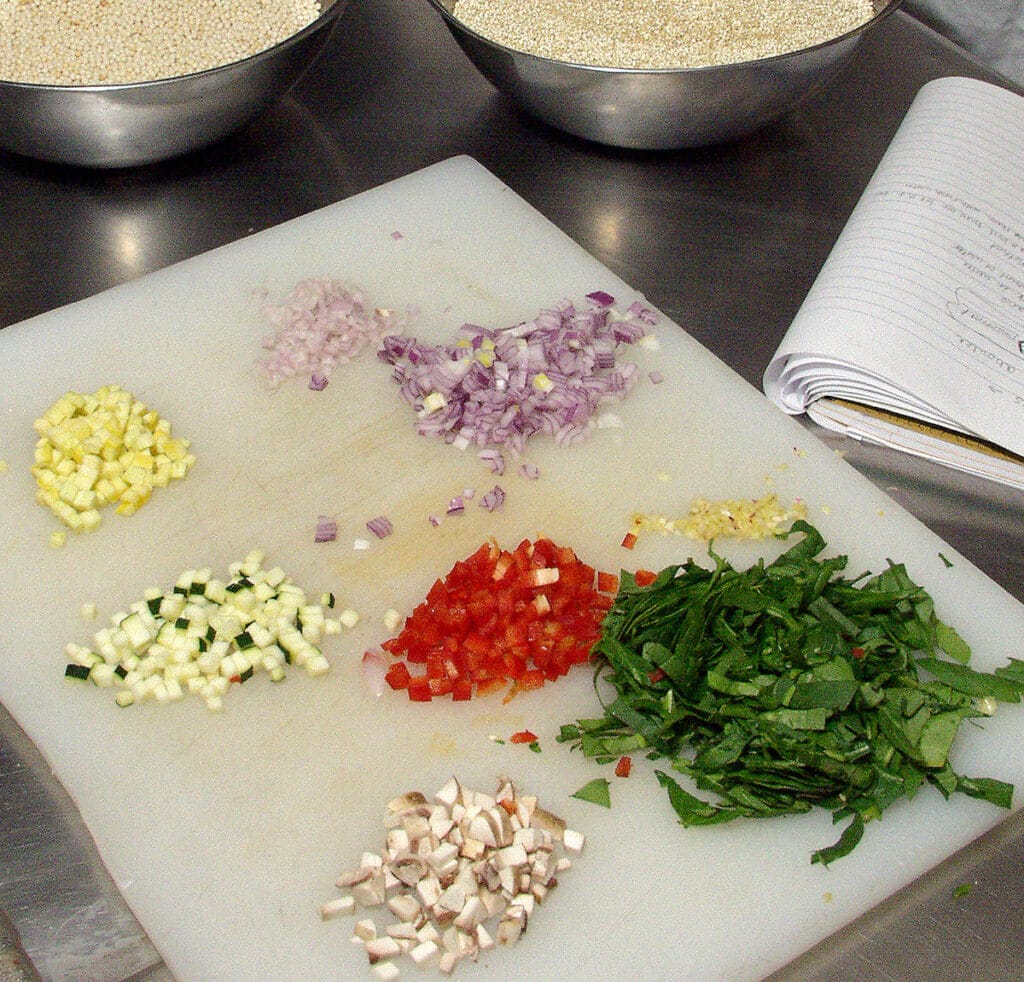
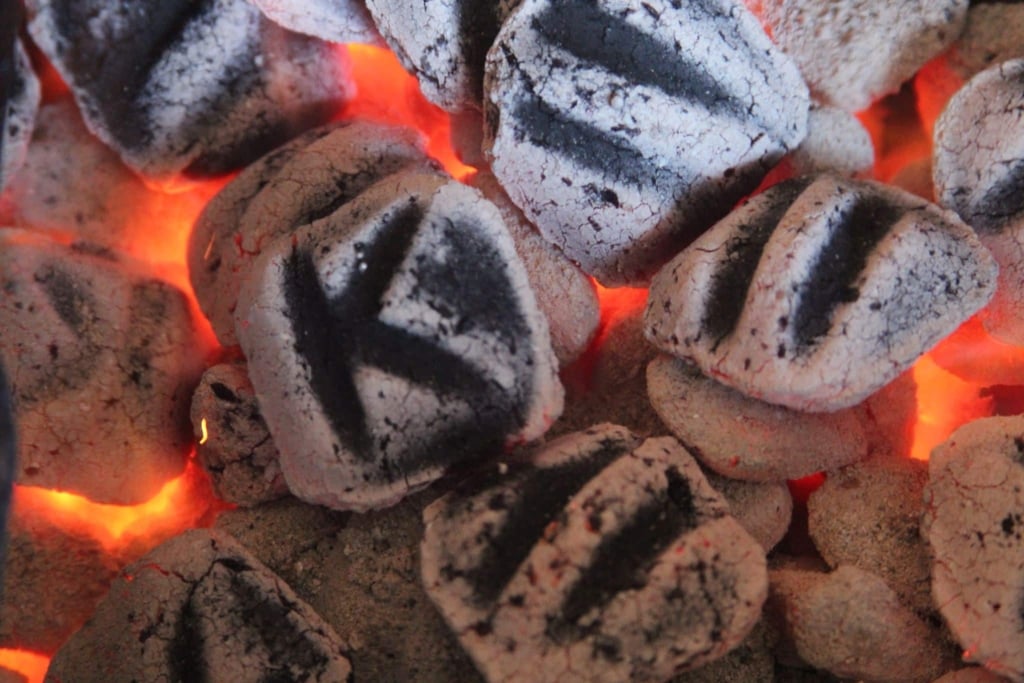
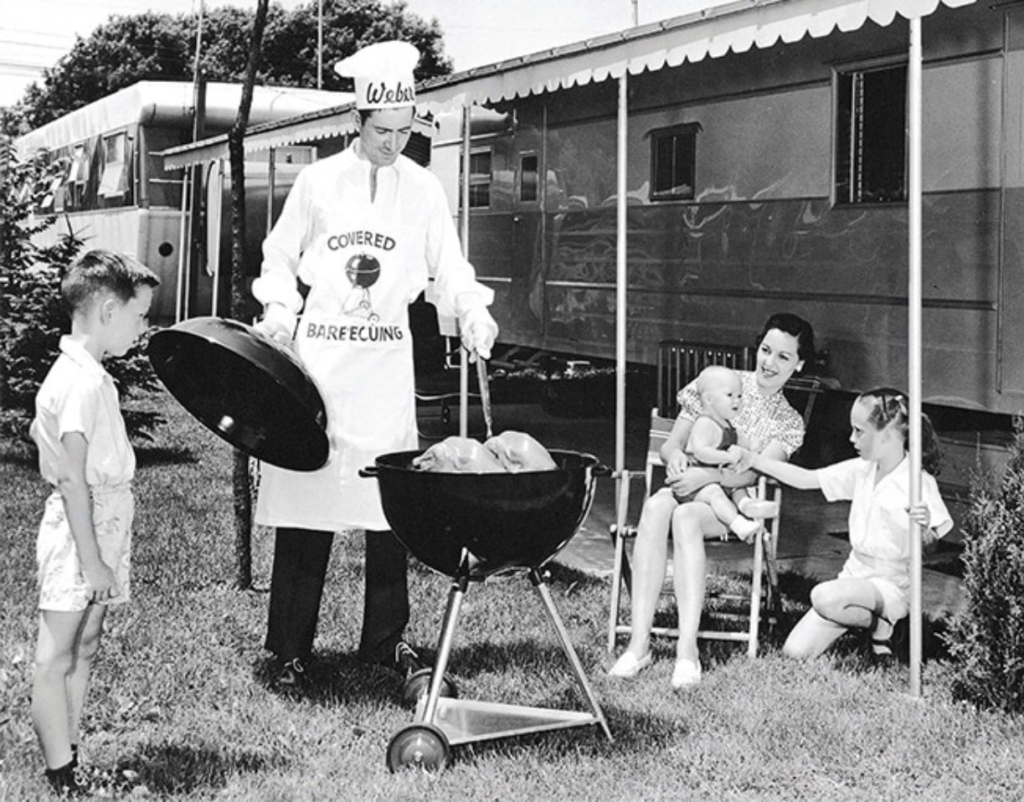

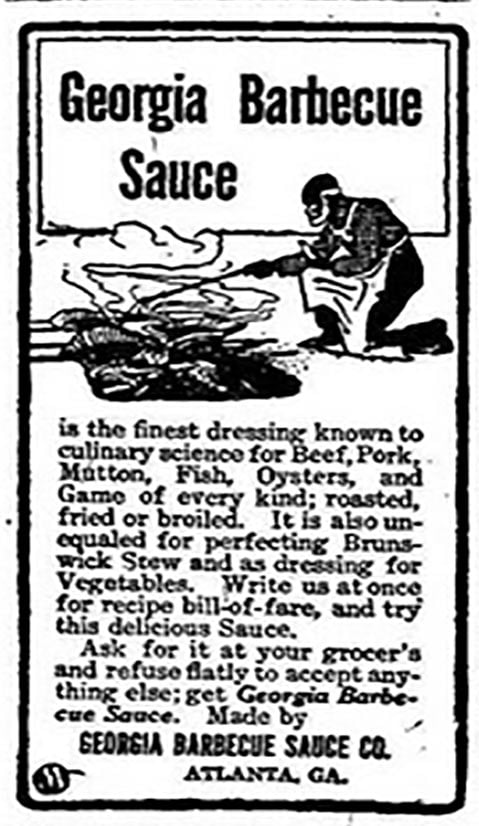
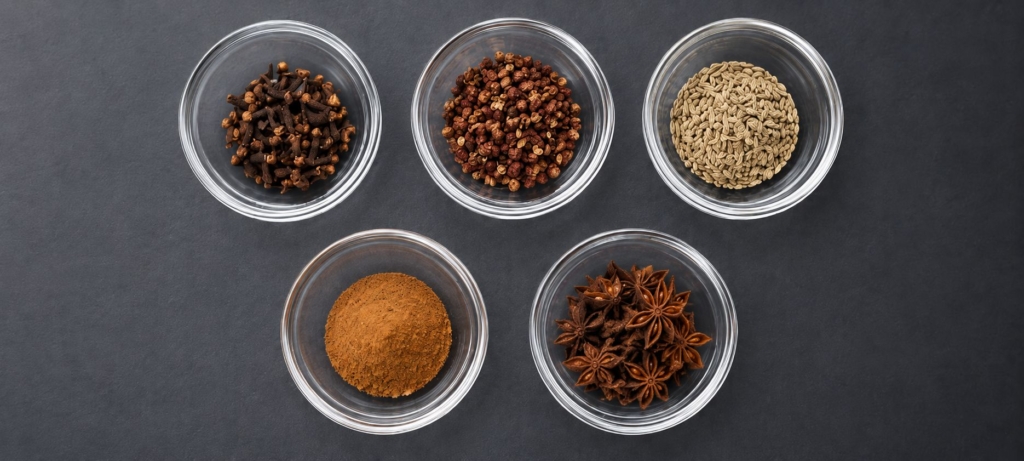
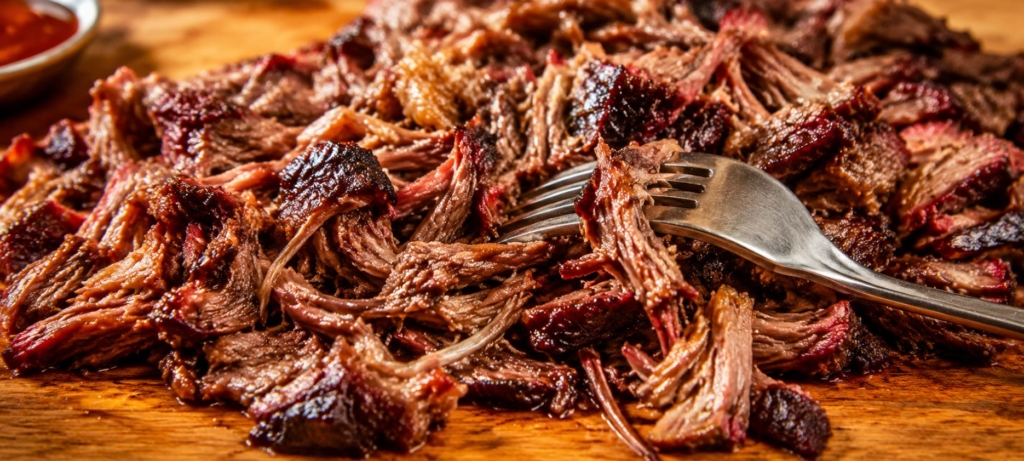
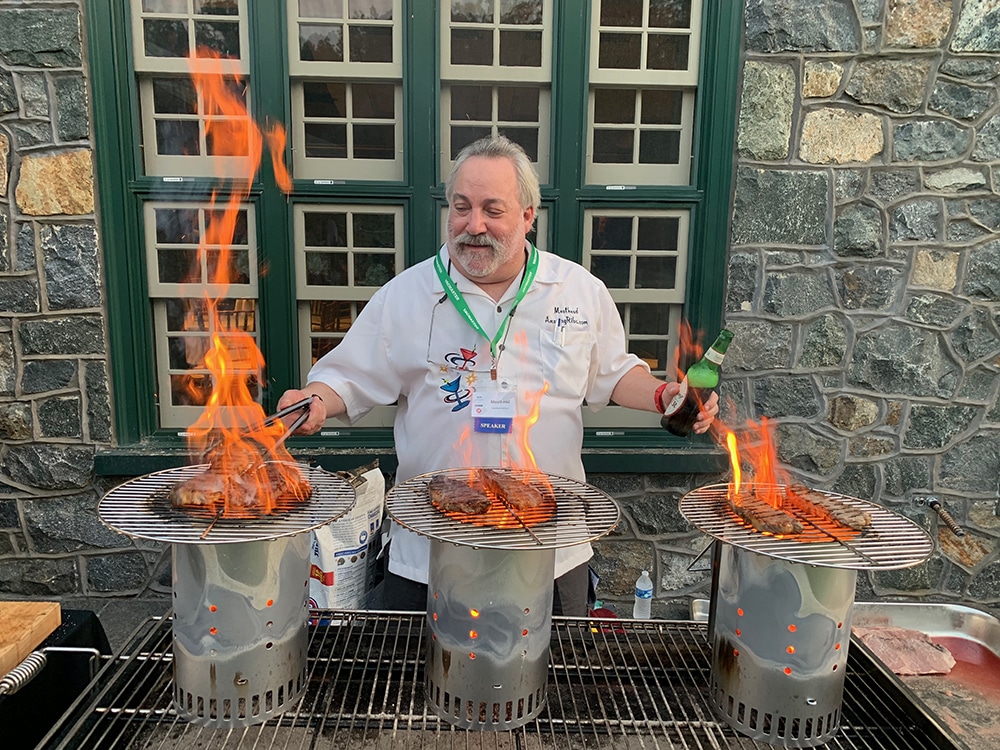
Before you can post a comment or question you must sign into our commenting partner, Disqus. This helps make sure everyone hanging around the grill is civil. We do not tolerate nastiness, racism, porn, inappropriate language, or attacks on others. All comments are the property of AmazingRibs.com and we reserve the right to quote them, edit them, delete them, and block people from making future comments.
Please leave comments and questions on the same page that is devoted to that subject so others can see questions and our answers when they are reading about the subject. You must enable JavaScript to use the comments section, and you must accept cookies to post comments. Note: the software that runs Disqus is different from the Pitmaster Club, so members need to sign into the Pitmaster Club separately.