



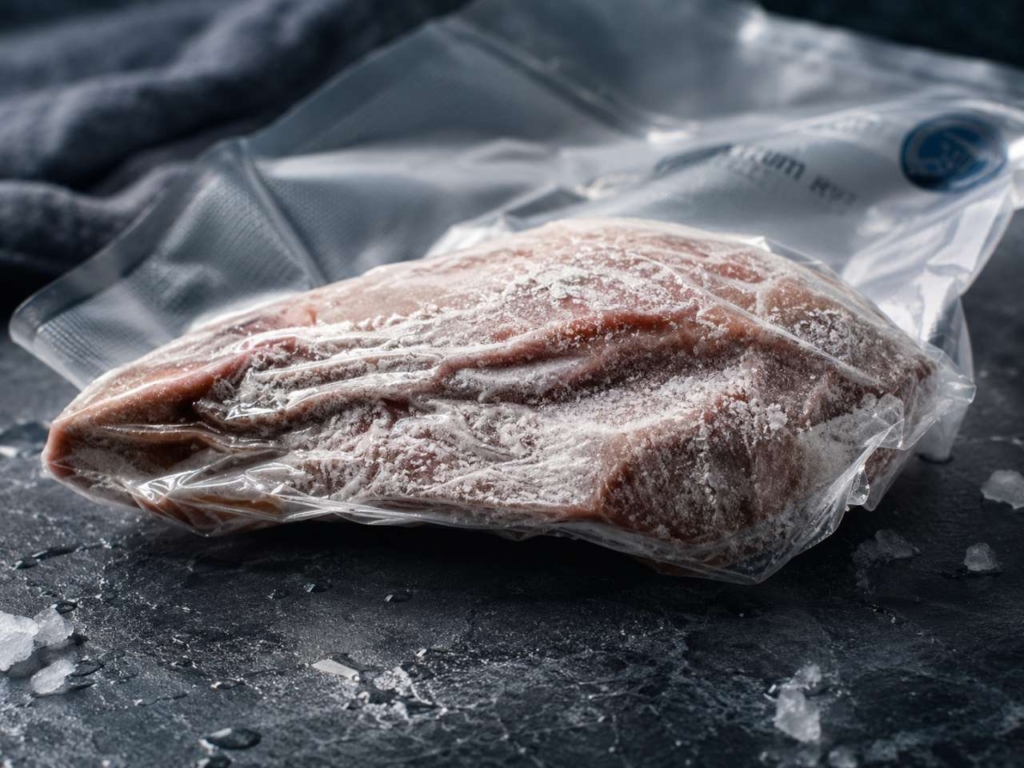
Fresh meat is almost always better than frozen meat because when meat freezes the water crystals expand and puncture cell walls spilling out the juices that keep meat tender and juicy. Ever notice the pink liquid in the bottom of the bag when you defrost meat? It’s called “purge”, and there’s no way to get it back in. That said, meat frozen when fresh is usually better than meat that was frozen after sitting around for a week or so. Here’s how to thaw meat safely if you have to freeze it.
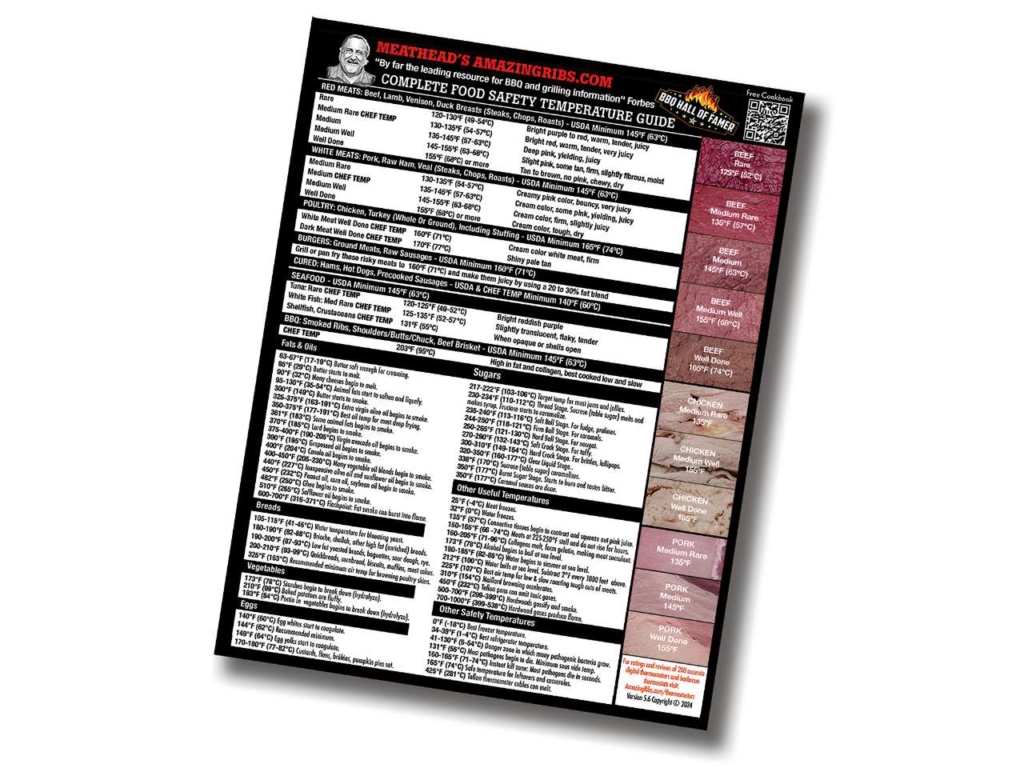
The idea is to warm frozen meat but not leave it in the “danger zone” of 40°F to 131°F. This is when bacteria multiply rapidly. You can do this slowly in the fridge, but water is a better conductor of heat, so putting the meat in a water bath will defrost it faster, especially if it has been shrink wrapped so the water has no air between it and the meat. If you have swaddled the food in layers of freezer paper or foil, remove this extra insulation. Then, put it in a zipper bag and squeeze out the air.
Here are some methods for thawing meat safely. And, are you ready for another mythbusting? You can defrost in hot water! But never thaw meat at room temp. That is a recipe for fluid loss via all your apertures.
1) Refrigerator thawing. This is the easiest method. Leave the meat in the fridge in its packaging in a pan deep enough to catch drips. Allow one day for every four pounds, so if you have a 20 pound turkey to cook on Thursday, you need to start thawing it on Sunday.
2) Cold water bath. Fill the sink or a pot big enough to hold the meat with cold water. Put the meat in a watertight plastic zipper bag. Leave the bag unzipped at first, and slowly submerge it keeping the zipper above water. The water pressure will push out all the air. Then zip it up tight. Leave it in cold water, and hold it under with a plate if necessary. Stir it occasionally to break up the envelope of cold water surrounding the meat. Make sure the water is under 40°F. Add cool water or ice cubes if needed. If you have a digital thermometer, use it to monitor the water temp. Allow 30 minutes per pound, so if you have a 20 pound turkey, you will need 10 hours, so make sure to set the alarm for early Thursday morning!
3) Hot water bath (for thin cuts only). A USDA sponsored research project published in mid 2011 showed that you can thaw a 1″ thick steak in a 102°F water in 11 minutes and the meat moves rapidly through the “danger zone” within which microbes like to grow if you remove it promptly after it has thawed. Their tests also showed less liquid loss than the traditional thawing methods, above. If you want to try this at home, use hot water, lots of it to absorb the cold, weight it under with a plate, stir it occasionally because the meat will create an envelope of cold water around itself, and set a timer so you don’t leave it in hot water too long. Thawing times will vary depending on the thickness of the meat and the actual heat of the water.
This technique is best for steaks, chops, and chicken parts, but it will not work on thick cuts like roasts, pork butt, brisket, or turkey. This is because the exterior will stay in the danger zone too long.



Before you can post a comment or question you must sign into our commenting partner, Disqus. This helps make sure everyone hanging around the grill is civil. We do not tolerate nastiness, racism, porn, inappropriate language, or attacks on others. All comments are the property of AmazingRibs.com and we reserve the right to quote them, edit them, delete them, and block people from making future comments.
Please leave comments and questions on the same page that is devoted to that subject so others can see questions and our answers when they are reading about the subject. You must enable JavaScript to use the comments section, and you must accept cookies to post comments. Note: the software that runs Disqus is different from the Pitmaster Club, so members need to sign into the Pitmaster Club separately.